


Woodside began as a tiny oil explorer in Victoria in the 1950s and grew into Australia’s biggest oil and gas company. Here’s how it makes its money, and why its new projects matter.
Woodside Energy is Australia’s largest oil and gas company and one of the biggest companies on the ASX.
It was founded in 1954 as Woodside (Lakes Entrance) Oil Company, named after the small Victorian town of Woodside. It is now based in Perth. Woodside reports in U.S. dollars, and its financial year runs to 31 December.
LNG
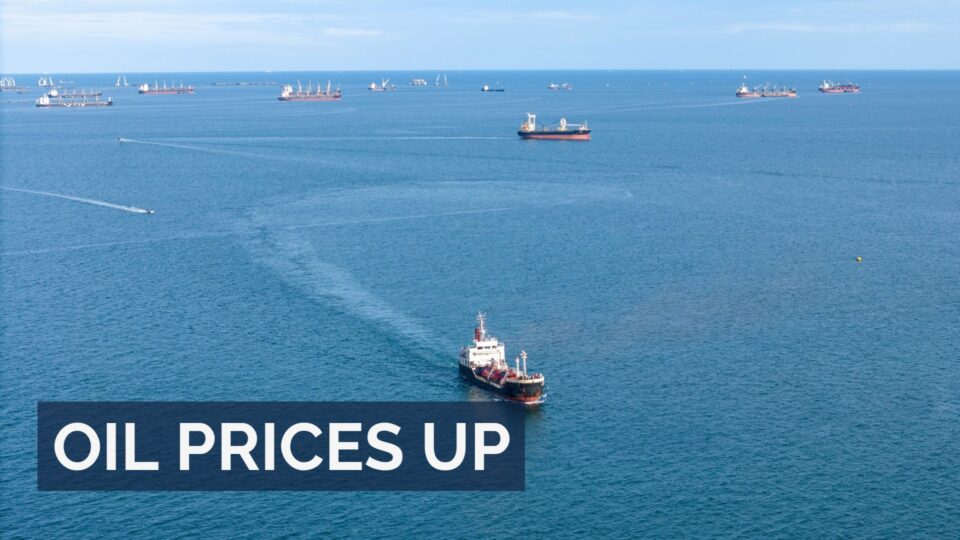
Most of Woodside’s money comes from liquefied natural gas, or LNG. Gas is piped from offshore fields to huge processing plants, chilled to minus 162 degrees Celsius, which shrinks it into a liquid, and shipped to customers, mainly power companies and utilities in Japan, South Korea, China and other parts of Asia.
Its main Australian operations are the North West Shelf, Australia’s first LNG project, and Pluto LNG, both near Karratha in Western Australia.
In 2022, Woodside merged with BHP’s oil and gas business, nearly doubling its size and adding oil fields in the Gulf of Mexico and elsewhere. It also produces oil from the Sangomar field off Senegal.
New projects
Woodside’s biggest new project is Scarborough, a large gas field off Western Australia, which will feed an expanded Pluto LNG plant. It is due to ship its first LNG by the end of 2026.
It is also building Louisiana LNG in the U.S., after buying developer Tellurian in 2024, and is developing the Trion oil field off Mexico.
Prices and the risks
Woodside’s profits depend heavily on oil and gas prices, as many of its LNG contracts are linked to the price of oil.
The company is a target for climate campaigners, who argue new gas projects are incompatible with cutting emissions. Woodside argues gas is needed to support renewable energy and help Asian countries move away from coal.
The risks include falling oil and gas prices, cost blowouts on big projects, environmental approvals and legal challenges, and the long-term shift away from fossil fuels.
Meg O’Neill, chief executive since 2021, left in late 2025 to become chief executive of British oil giant BP. Liz Westcott, who had been acting chief executive, was confirmed in the role in March 2026.
Latest results, as at 9 November 2026
Half year to June 2026, reported 25 August 2026: revenue rose 13 per cent to US$7.4 billion. Underlying profit rose 7 per cent to US$1.33 billion, and net profit rose 27 per cent to US$1.67 billion. Production fell 13 per cent because of planned maintenance and cyclones. Woodside paid an interim dividend of 57 U.S. cents a share, fully franked.
September quarter 2026, reported 20 October 2026: production rose 12 per cent on the previous quarter to 46.2 million barrels of oil equivalent. Scarborough was 99 per cent complete and on track for its first LNG cargo by the end of 2026.
Next update: Woodside reports its full-year results for 2026 in February 2027.
























Comments
No comments yet. Start the conversation.