

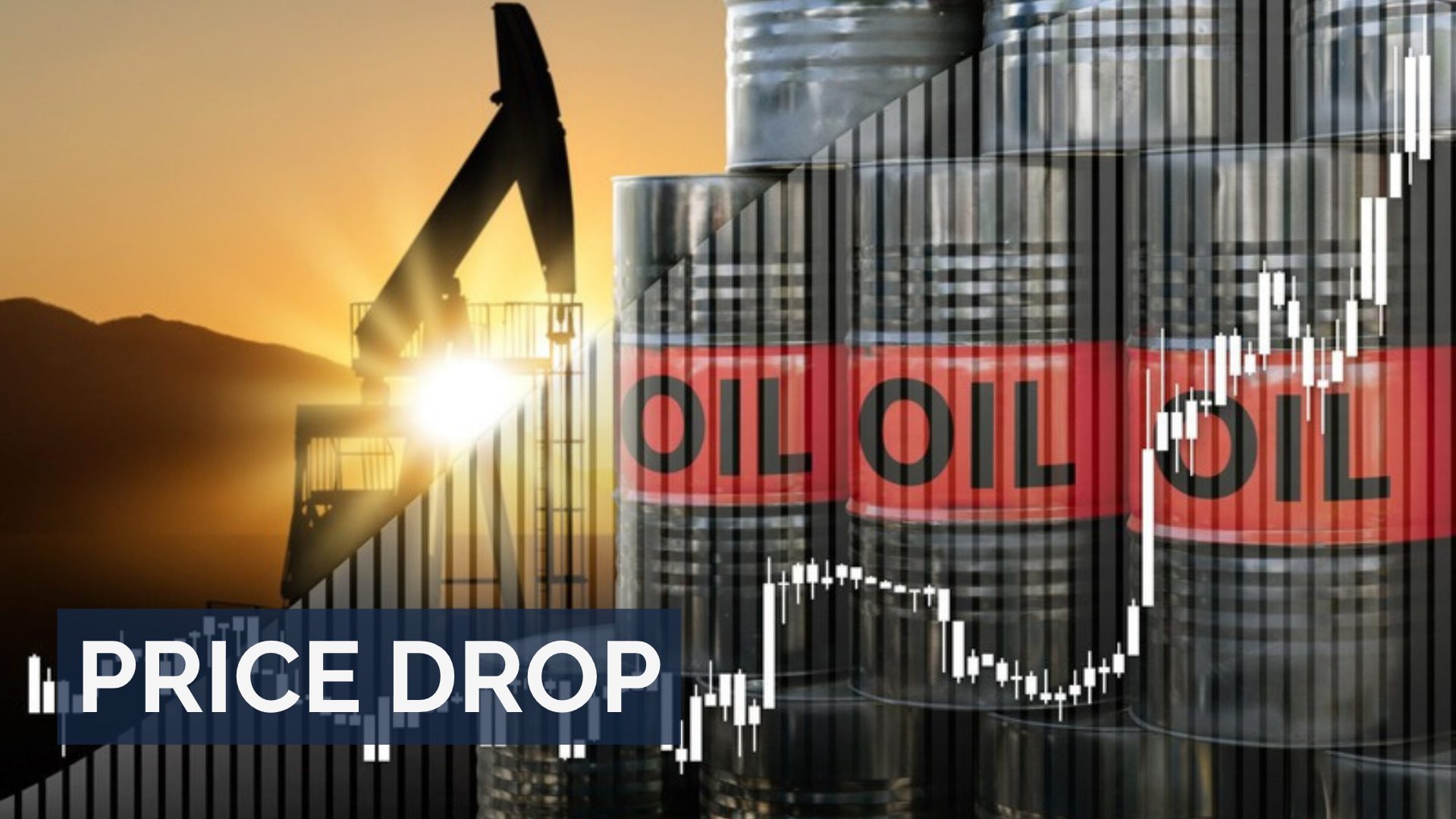
Oil prices are heading for a second weekly decline as a growing global supply surplus weighs on sentiment. Brent crude and U.S. West Texas Intermediate were both on track to lose about 2.5 per cent for the week after the International Energy Agency (IEA) reported rising surplus capacity.
The IEA said surplus capacity is increasing, signalling that supply is running ahead of demand. That has pressured benchmarks through the week as traders reassessed the balance of risks in the market.
Surplus builds, risks linger
Markets remain exposed to conflict-related shocks despite the surplus, according to traders watching the Middle East. The risk backdrop includes the Iran war, attacks on Gulf shipping and any disruption to regional production. None of those risks has crystallised into a material supply outage so far this week, but pricing has stayed sensitive to headlines and cargo movements, with a wider surplus offering a buffer.
Participants are monitoring inventory and export data to gauge how quickly spare capacity might be absorbed. The IEA’s assessment of higher surplus capacity has amplified focus on shipment flows and refinery runs, with attention on whether producers adjust output guidance if prices weaken further.
Diplomacy between Washington and Tehran is also in focus. Traders are watching for any sign of easing or tightening in tensions that could affect shipping lanes or production. Any confirmed disruption could challenge the current surplus, but for now the IEA’s view of rising capacity has set the tone.
What to watch
Into next week, the market’s path will hinge on fresh supply data and any developments in the Gulf. If the surplus persists, benchmarks could remain under pressure. If risks escalate into actual disruptions, the cushion from spare capacity will be tested.
What is not yet known is how long the current surplus will last or whether producers will alter output in response to the weekly slide. Traders say they will be guided by the next round of official supply assessments and any confirmed changes in shipping conditions.
Sources: International Energy Agency.























Comments
No comments yet. Start the conversation.