
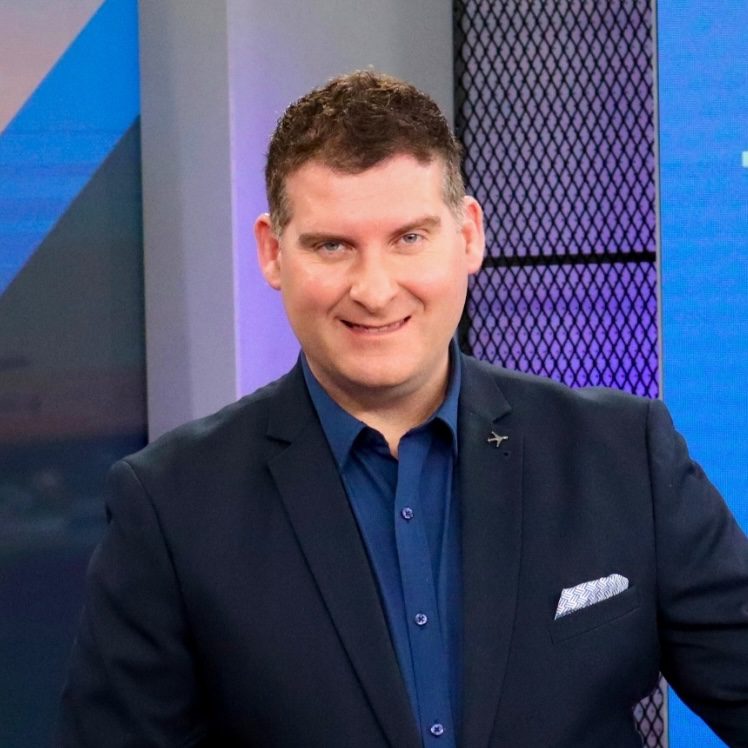
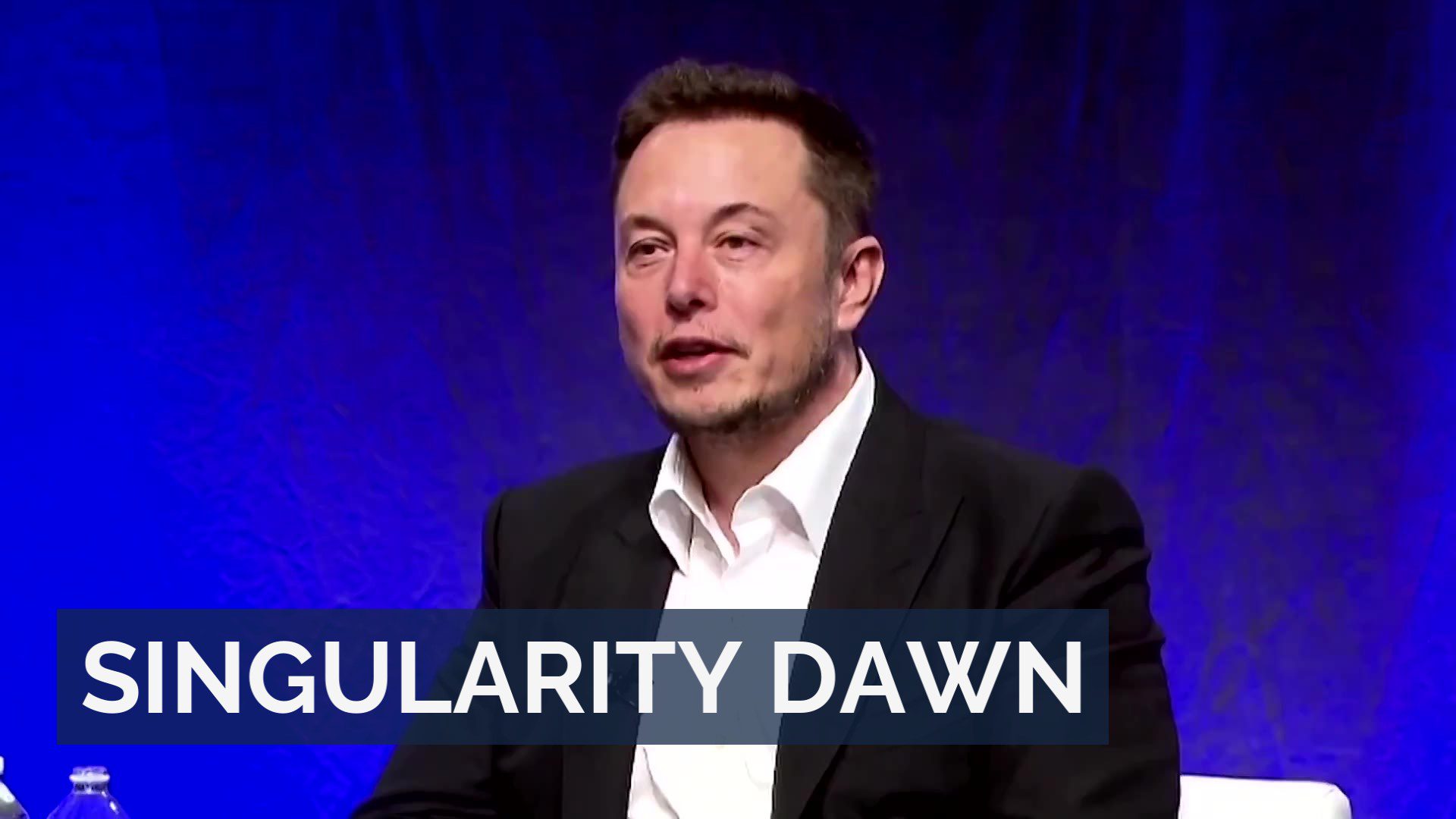
Elon Musk claims the world has entered the technological singularity, a concept long debated in science and technology circles. The singularity is the hypothetical moment when artificial intelligence evolves so fast it becomes uncontrollable or unpredictable by humans.
Musk, along with several other tech leaders, argued that this turning point has arrived. His comments follow predictions from figures like Ray Kurzweil who previously forecast the event for 2045.
Now, they say progress in AI has created a loop where machines are helping to build their own more advanced successors, speeding up research and technological development. This feedback loop was first described in 1965 by mathematician I. J. Good as an “intelligence explosion.”
The concept was popularised by computer scientist Vernor Vinge in 1993, who described it as a threshold where current models of society and technology no longer apply. Some, like Kurzweil, link the singularity to humans going beyond biological limits, with ideas ranging from brain-computer interfaces to advanced nanotechnology.
However, many researchers remain sceptical that the singularity has already arrived. They note ongoing limits: AI systems still face bottlenecks in available computing power and energy. Others point to deeper issues concerning the control, safety, and even the consciousness of artificial intelligence.
For many, it remains a theoretical threshold rather than a lived reality.
Debate continues inside the tech sector, with some prominent founders sharing Musk’s belief while others urge caution. Several researchers, quoted in coverage by Fortune and elsewhere, say it’s not yet clear how close society actually is to a full intelligence explosion or what its consequences might be.
























Comments
No comments yet. Start the conversation.