Soaring fuel prices spark protests across Europe, boosting far-right parties ahead of upcoming elections in multiple countries
Rising fuel costs and mounting household expenses are putting European governments under pressure, with growing public frustration creating fresh opportunities for far right parties ahead of crucial elections.
From road blockades in Italy to demonstrations over wages and housing in Portugal, economic discontent is spilling onto the streets.
The protests reflect a broader struggle with affordability, as households and businesses contend with higher energy bills and the rising cost of everyday essentials.
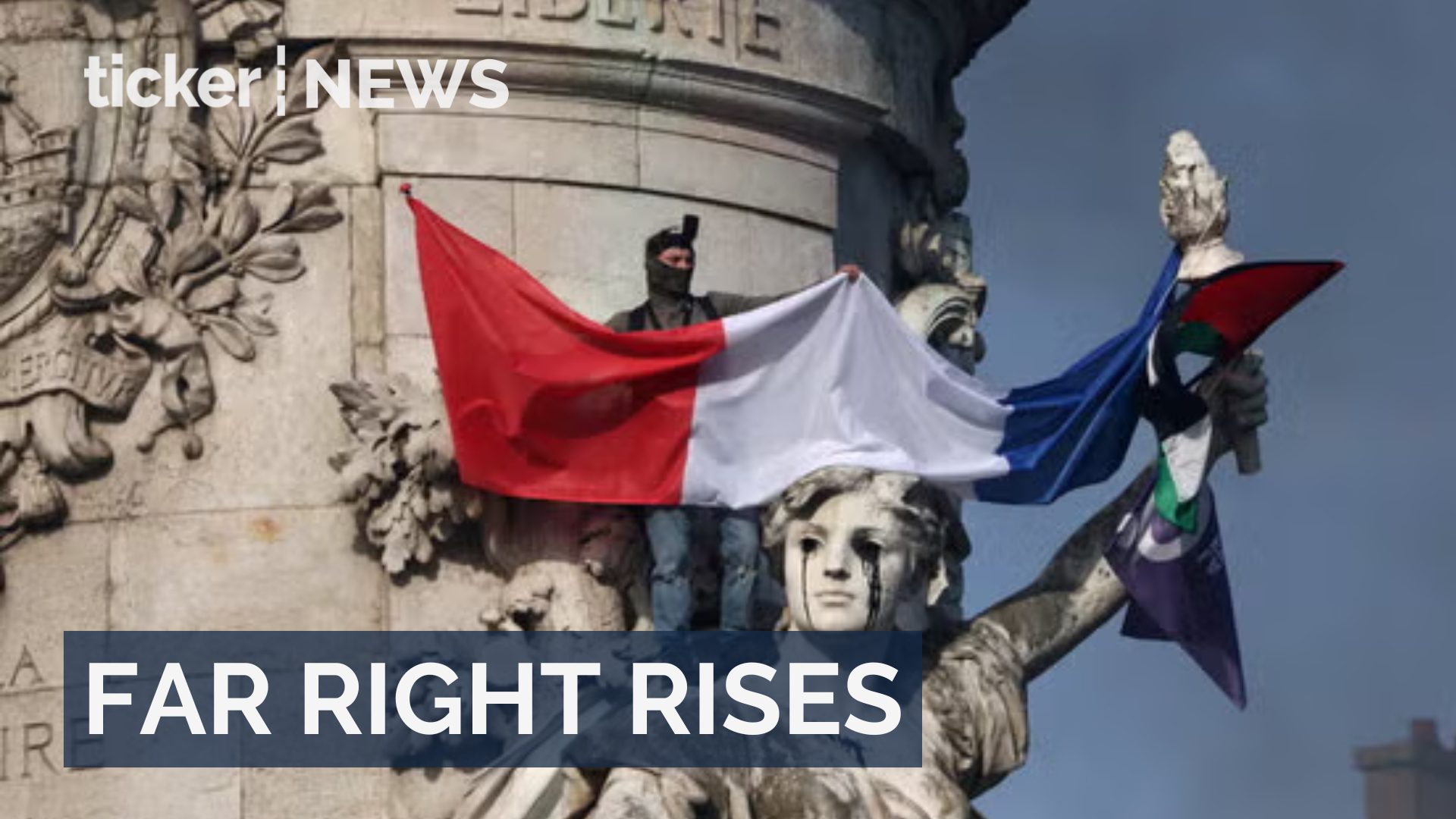
In Italy, farmers have joined demonstrations against escalating operating costs, with protesters flying the Sicilian flag as a symbol of regional frustration. Road blockades have disrupted transport, while clashes in Milan have added to concerns about public services and the government’s ability to respond to mounting pressure.
Similar tensions are emerging elsewhere across the continent. France has experienced unrest linked to living costs, while housing affordability has fuelled demonstrations in Spain following controversial evictions. In Portugal, large marches have highlighted growing concerns about wages and the cost of securing a home.
The economic strain has also been intensified by international conflict, with the US and Iran war adding to inflationary pressures and uncertainty surrounding energy markets.
Fuel costs become an election battleground
As economic frustration grows, political parties on the right are increasingly positioning themselves as alternatives to established governments.
In France, fuel prices are emerging as a major issue ahead of the presidential election scheduled for April next year.
Marine Le Pen has sought to capitalise on public anger by proposing cuts to fuel taxes, a policy that has resonated particularly with rural voters who rely heavily on their vehicles.
President Emmanuel Macron has acknowledged protesters’ concerns while condemning violence linked to demonstrations.
However, the challenge for the government extends beyond managing unrest, with voters increasingly focused on whether political leaders can deliver meaningful relief from rising expenses.
The shift is not confined to France. Germany’s Alternative for Germany (AfD) is drawing support from voters concerned about inflation and energy affordability, while advocating a restoration of energy ties with Russia.
In Italy, the government faces competition from emerging far right factions promoting similar calls for changes to energy policy. These movements are seeking to turn frustration over living standards into support for broader political change.
Economic insecurity reshapes European politics
The pressure is particularly significant in communities where transport, heating and energy costs account for a substantial share of household budgets.
Countries including Poland are also confronting concerns about rising energy bills, reinforcing the broader pattern of economic insecurity influencing political debate across the region.
For populist parties, the opportunity lies in presenting themselves as challengers to governments seen as unable to protect living standards.
Proposals to lower fuel taxes, change energy partnerships and reduce household costs can offer voters clear alternatives amid wider economic uncertainty.
However, turning public anger into lasting electoral support will depend on whether these parties can offer credible solutions to the pressures facing households and businesses.
With elections approaching and demonstrations continuing across Europe, the cost of living is becoming more than an economic challenge. It is increasingly a test of political credibility, with the potential to reshape voter loyalties and strengthen parties promising a different direction.