CBA cuts Australia’s economic growth forecast amid rising inflation, higher oil prices and potential interest rate hikes
Growth is not expected to return to its usual 2.0 per cent trajectory until the latter half of 2028, which is a year later than earlier predictions.
Allen cites multiple pressures on the economy, including high inflation, rising interest rates, increased energy costs, and weak productivity.
Growth forecast
Several factors contribute to this downgraded outlook.
Ongoing conflict in the Middle East has driven oil prices significantly higher, with Brent crude now above US$110 per barrel, compared to around US$70 previously.
At the same time, a global AI boom is exerting inflationary pressures by raising the costs of chips and consumer electronics both internationally and domestically.
Household spending is significantly impacted, with CBA forecasting growth to decrease from 1.8 per cent in mid-2023 to just 0.7 per cent by mid-2027 due to stagnant income growth and escalating costs.
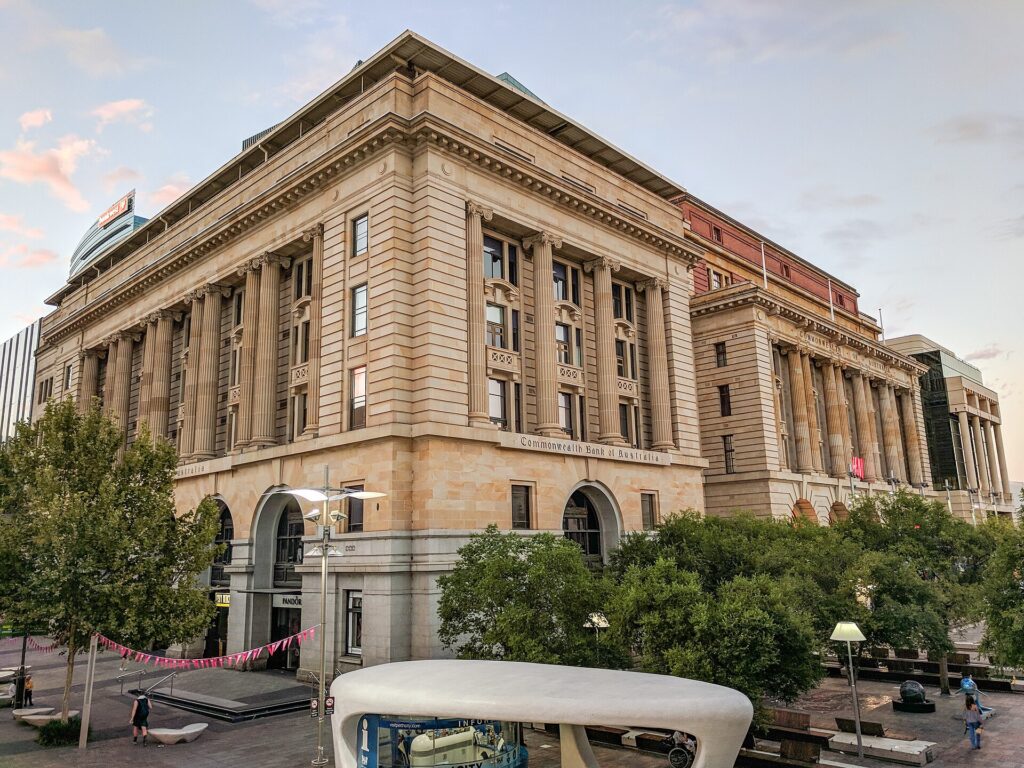
The jobs market is also facing challenges, with an expected unemployment peak of 5.1 per cent, revised upwards from a prior estimate of 4.8 per cent.
Underlying inflation is projected to remain above 3.5 per cent until mid-2027, driven by global pressures including the AI investment boom and Middle East tensions.
CBA does not anticipate underlying inflation to dip below 3 per cent until early 2028, which is six months later than its previous forecast.
In the housing market, prices across five capital cities have already declined by 8 per cent from their peak, and further reductions are expected following an anticipated rate hike in November.
Allen warns of a potential need for the Reserve Bank to increase rates again in 2027, even as it is poised to raise rates to 4.85 per cent this November.
“The RBA will be on edge,” she states, highlighting the uncertainty surrounding any planned rate cuts for late 2027.