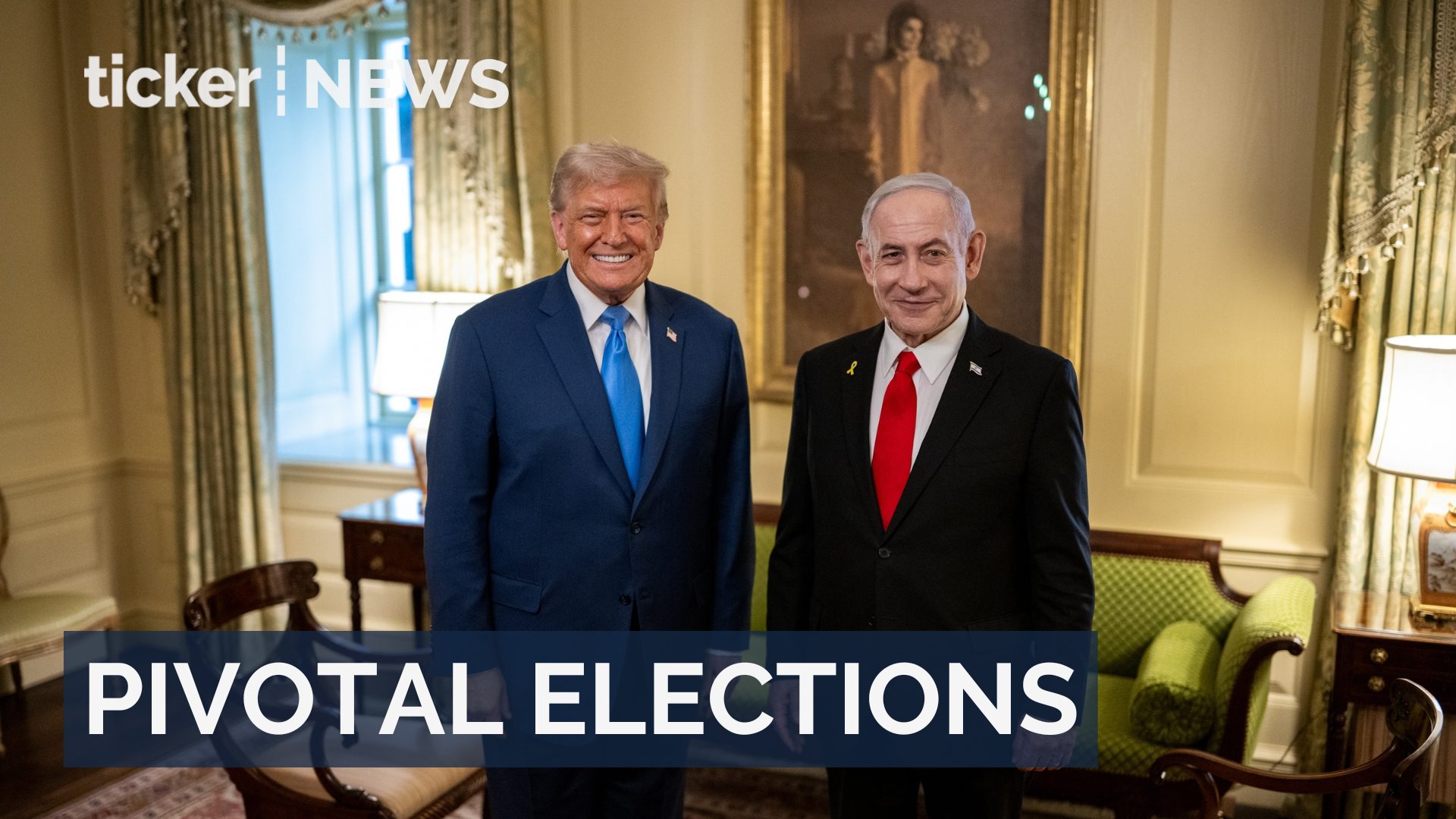
Israel prepares for pivotal election amid deep divisions over security, democracy, and the future after recent attacks

Large protests in Tel Aviv call for government change, highlighting a desire for peace and anti-corruption.
New challenger Gadi Eisenkot comes from a military background and has gained support through his centrist Yashar party, often polling better than Netanyahu’s Likud.
Election overview
Eisenkot’s appeal lies in his ordinary Israeli portrayal and his military history, especially following the death of his son during the Gaza war.
Opposition parties criticise Netanyahu’s government for perceived threats to democracy and lack of accountability following deadly attacks on 7 October 2023.
Eisenkot promises an independent inquiry supported by a significant majority of Jewish Israelis.
His campaign includes enforcing military service for ultra-Orthodox men, a policy backed by various voter groups.
Netanyahu’s narrative focuses on security, depicting opposition as weak and warning against Arab collaboration.
The attack on 7 October drastically shifted public sentiment regarding security failures, raising Netanyahu’s importance as a protective leader.
Long-term support for him faces challenges as some shift toward centrist policies, while others lean more right post-attacks.
In regions such as Sderot, recent tragedy has led some former Likud voters to reconsider their stance towards far-right parties.
Young Israelis increasingly favour strong, uncompromising positions in the Israeli-Palestinian conflict influenced by recent events.
Despite the hostility, calls for government change persist, driven by empathy and a need for humanity.
Eisenkot targets a balanced approach to Gaza, prioritising security while discussing possible autonomy for Palestinians.
The election may result in a parliamentary deadlock, particularly with the involvement of Arab parties, which could hold sway.
As threats from Iran loom and electoral disruption concerns arise, instability seems likely in Israel’s political landscape.
Ultimately, the vote will shape Israel’s governance, its responses to conflict, and the balance between security and democracy.