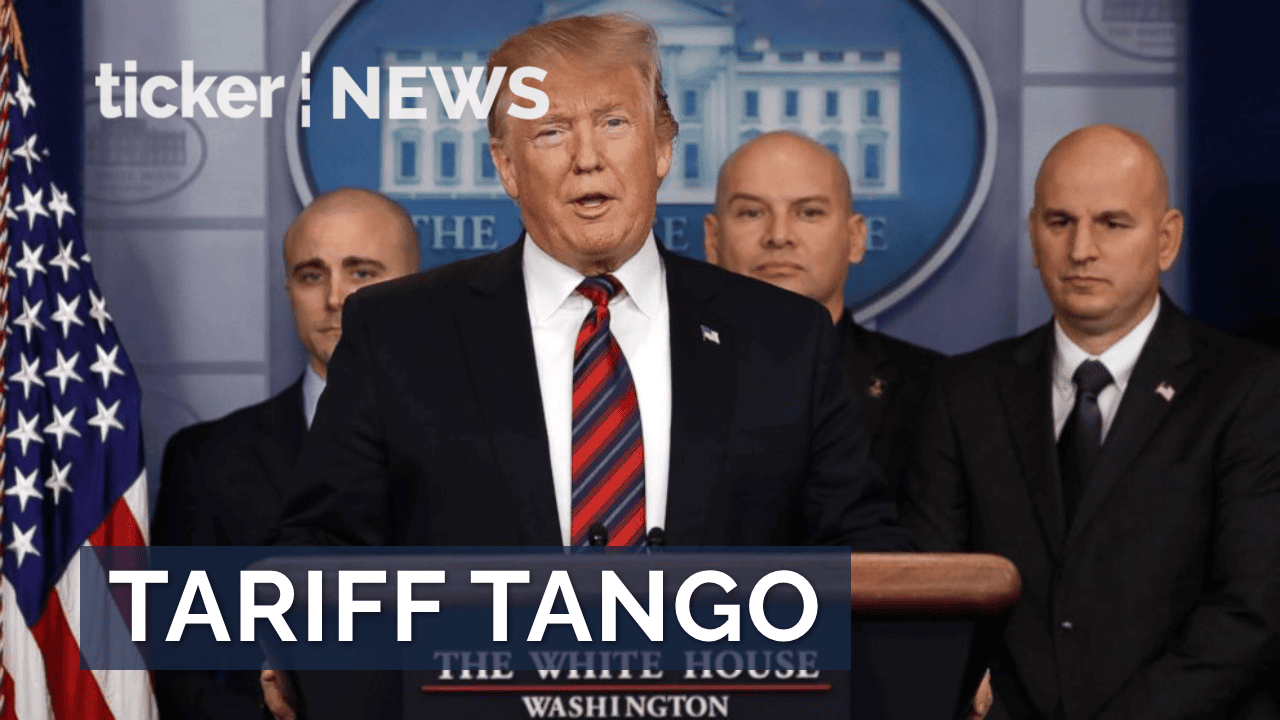
Trump administration to impose new tariffs on 60 trading partners to address forced labor trade practices
Tariffs imposed
A senior administration official stated that the U.S. has more rigorous bans on goods produced with forced labor than any other nation. Many goods will remain exempt from tariffs, such as oil, gas, fertilizer, and items under Section 232 tariffs.
Goods compliant with the U.S.-Mexico-Canada Agreement will also be exempt. Tariff rates will differ depending on the adequacy of countries’ anti-forced labor laws.
Those countries with sufficient laws will incur a lower 10% tariff, while imports from nations with insufficient measures will face the higher 12.5% rate.
Trade policy response
Both Republicans and Democrats have successfully urged for the removal of forced labor from global supply chains. Official statements suggest that the administration will continue to leverage tariffs as a tool for achieving trade policy goals.
Recent legislative actions by countries like India have adjusted their tariff rates downwards since original proposals were made. These measures reflect ongoing tension in international trade relations.