

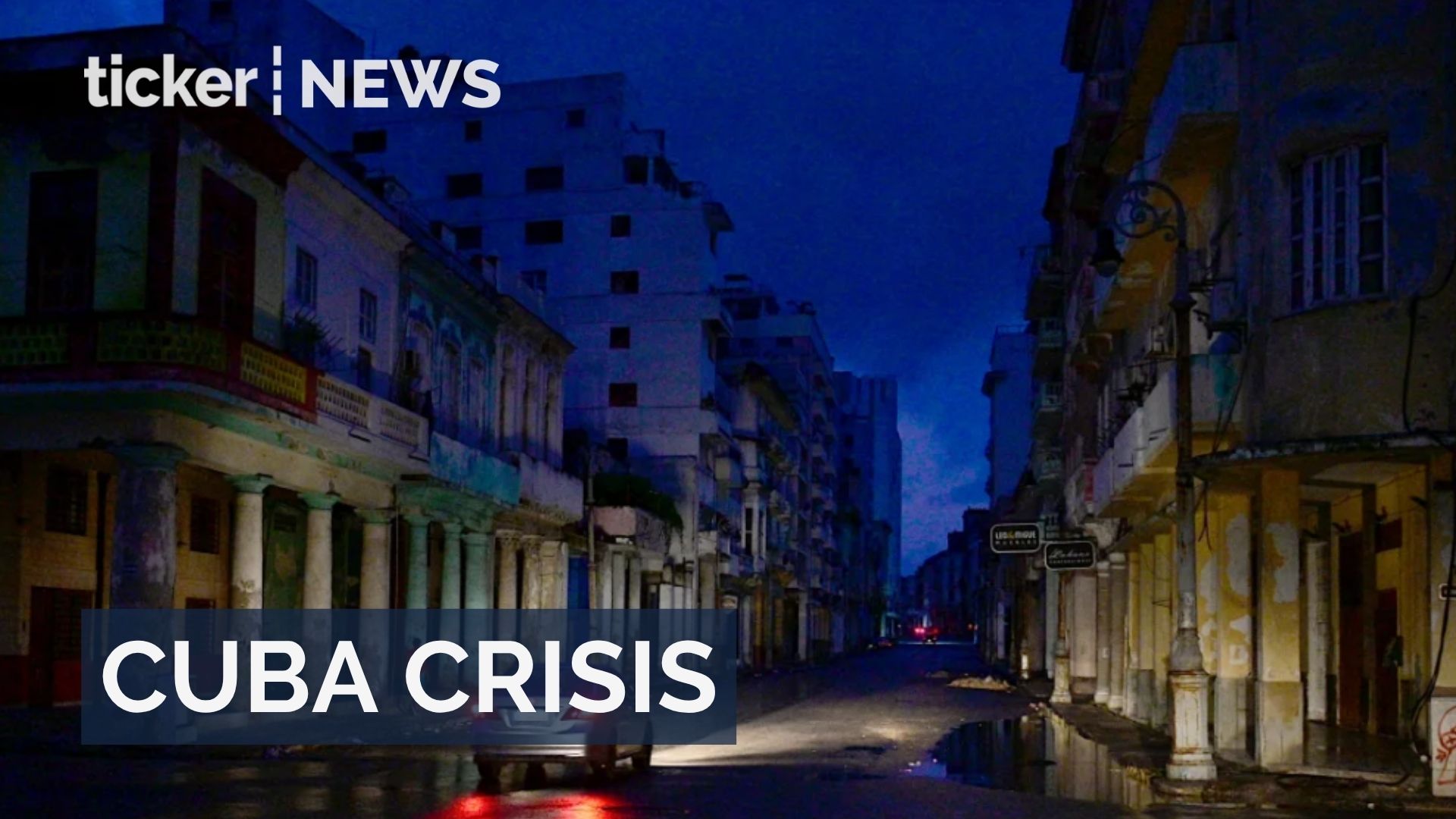
UN launches $94M plan to address Cuba’s escalating fuel crisis affecting millions amid international pressure and humanitarian concerns
Cuban fuel crisis
Francisco Pichon, the UN resident coordinator in Cuba, highlighted the urgency of the situation, warning of severe risks to life if fuel reserves are depleted.
He characterised the crisis as “an unconventional emergency,” linking the energy blockade to widespread societal impacts.
The updated plan broadens an earlier $74 million response to Hurricane Melissa, which impacted over 2.2 million people.
Key focus areas include logistics, health, water and sanitation, food distribution, education, and protecting vulnerable individuals, with $26 million currently secured.
Cuba’s energy crisis intensified after January due to U.S. actions that halted Venezuelan oil supplies, which had been crucial for energy generation.
As of March, Cuba faced a significant generation deficit during peak hours, with supply unable to meet demand.
The Plan includes a “fuel traceability model” to monitor fuel usage, aiming for a deal with Washington to allow humanitarian energy imports.
WHO chief Tedros Adhanom Ghebreyesus expressed concerns about Cuba’s health situation, citing thousands of postponed surgeries.
Cuban President Miguel Diaz-Canel noted that discussions with Washington are in the early stages, with involvement from former leader Raul Castro.
U.S. conditions for lifting the blockade include political reforms and the release of political prisoners.






















Comments
No comments yet. Start the conversation.