
Trump claims Iran is ‘financially collapsing’ amid U.S. blockade, while ceasefire extension fails to ease tensions

Ceasefire extended
Trump’s comments followed the indefinite extension of the ceasefire with Iran, which he attributed to a request from Pakistani leaders.
Despite this, U.S. Vice President JD Vance cancelled a trip to Islamabad due to Iran’s unclear stance on negotiations.
The conflict has already impacted global energy markets significantly, with the closure of the Strait of Hormuz pushing crude prices higher.
Analysts suggest the blockade may cost Iran around $400 million in daily revenue and risk lasting damage to oil production.
The International Energy Agency termed the disruption “the largest supply disruption in the history of the global oil market,” as many vessels faced heightened tensions in the region.
UN Secretary-General António Guterres welcomed the ceasefire’s prolongation but urged both parties to pursue constructive dialogue.
Economic implications
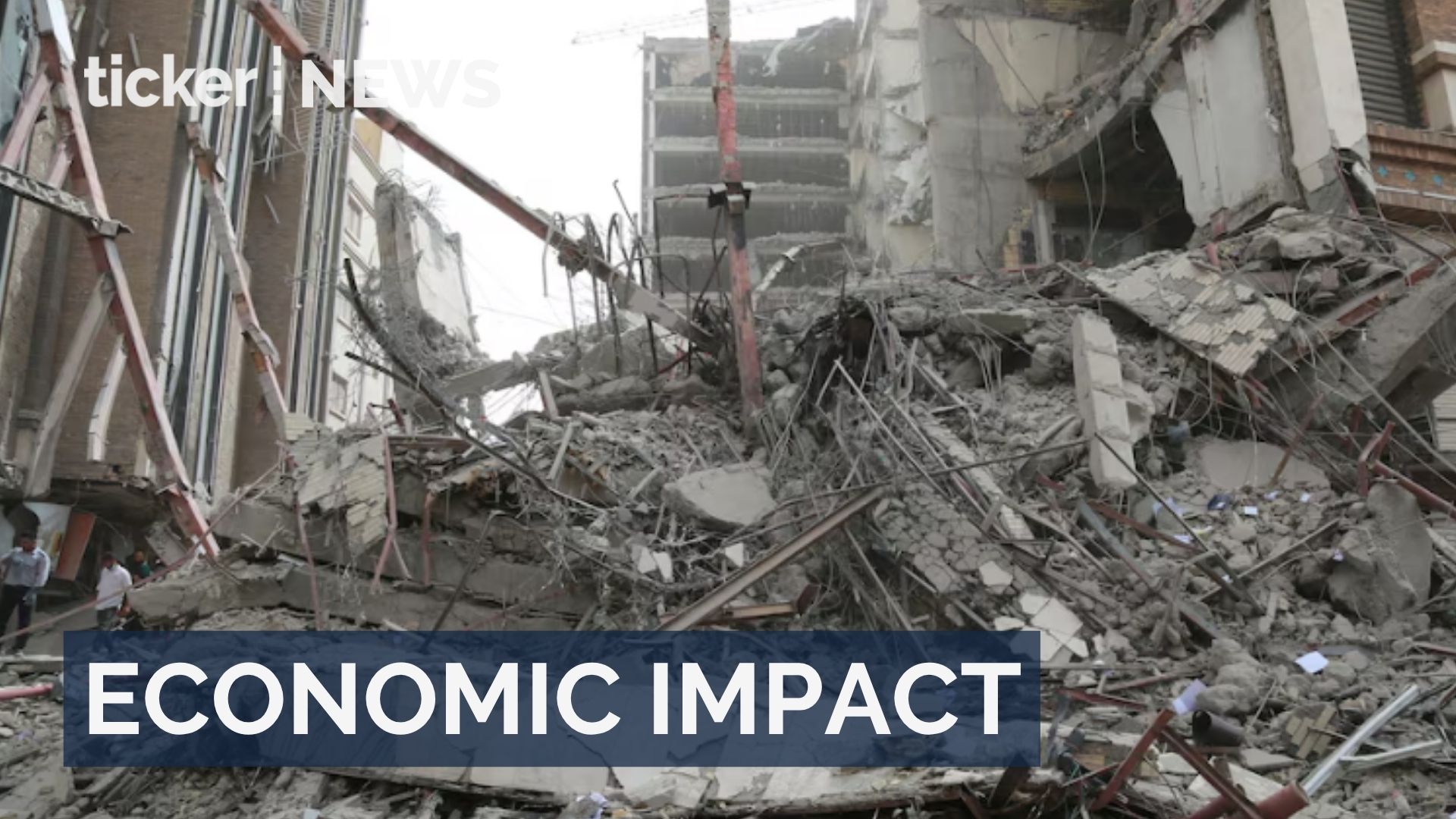
The war’s economic impact could cost Arab states between $120 billion to $194 billion in growth.
Diplomatic efforts are crucial as the region faces uncertainty and volatility due to ongoing conflicts.
As tensions continue, the global community waits for tangible developments in negotiations.