
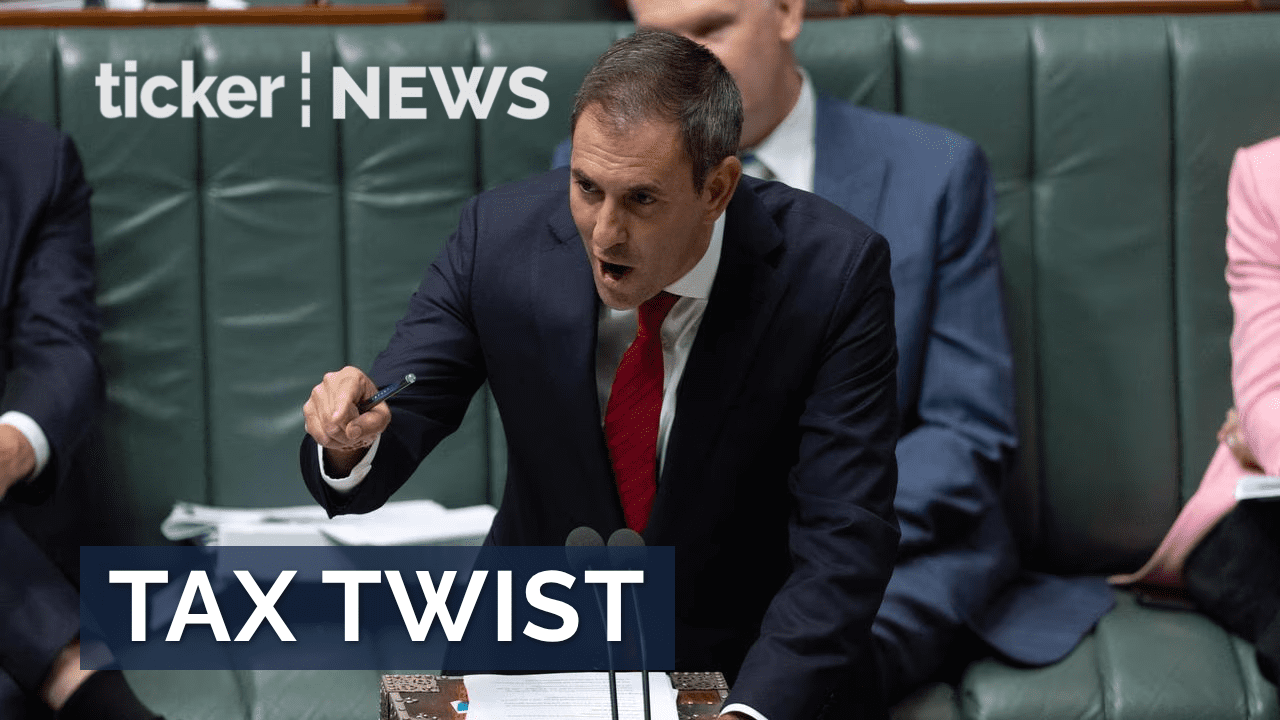
Tax bracket creep undermines Jim Chalmers’ WATO budget plans, with average workers still facing higher taxes by 2027

Budget tax plans
Chalmers’ budget is aimed at intergenerational fairness and addressing tax disparities between wages and assets.
The proposed changes may include a 30 per cent minimum capital gains tax, which has alarmed the investment community.
These changes may restrict investment opportunities for younger Australians, compromising their future wealth accumulation.
Chalmers has indicated that revenue from these tax proposals may be limited in the initial years.
The budget also faces scrutiny over earlier commitments regarding negative gearing and capital gains tax policies.
Despite this, the government plans to utilise higher tax revenues from commodities to support the WATO.
The Parliamentary Budget Office estimates the impacts of negative gearing and capital gains tax discounts on future revenue.
The independent office anticipates a significant tax burden shift towards younger generations due to rising reliance on personal income tax.
Tax burden shifts
The forecast indicates that personal income tax could reach 14.5 per cent of GDP by 2035-36, heightening tax burdens for wage earners.
This shift raises equity concerns, particularly as older Australians benefit disproportionately from lower taxes on investment income.
Chalmers must confront these challenges while balancing budgetary constraints and economic fairness.
With scrutiny increasing, the government will need to clarify how the proposed tax reforms aim to support both current and future Australians effectively.