
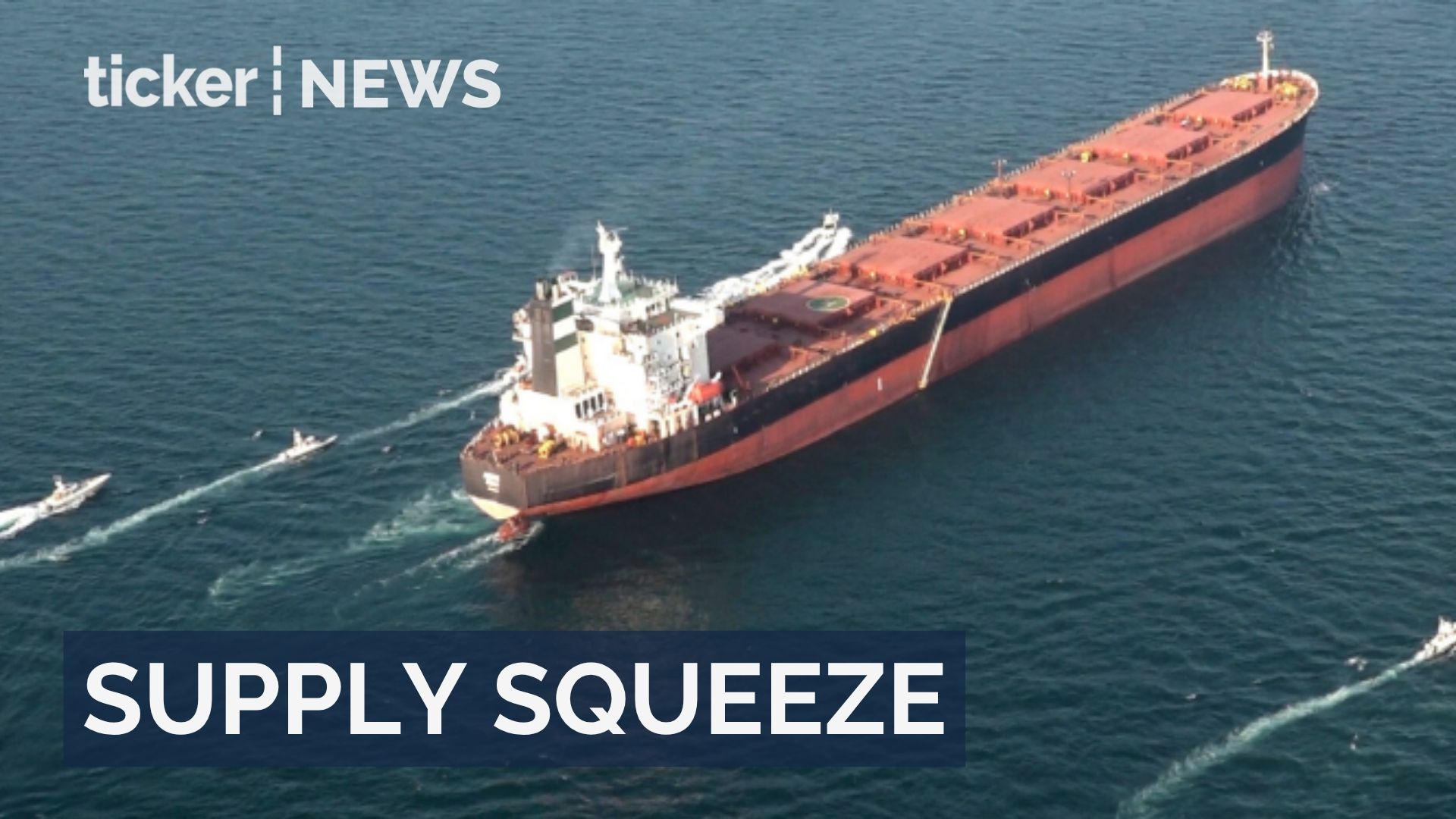
Oil exports through Strait of Hormuz unlikely to return to pre-war levels amid ongoing Iran-U.S. tensions
Oil exports through the Strait of Hormuz may not return to pre-war levels due to ongoing risks from the Iran war.Shipowners are now weighing the dangers of navigating a strait under Iran’s control, particularly concerning Western vessels that risk violating U.S. sanctions.

Hormuz oil dynamics
The situation creates uncertainties for global energy markets, as vital navigation through Hormuz had been largely unobstructed until recent conflicts.
Iran’s blockade has caused significant oil supply disruptions, pressuring the U.S. for a resolution as global economic threats increase.
Amos Hochstein, a former energy advisor to President Joe Biden, stated that Iran is likely to maintain operational control over Hormuz, irrespective of any potential deals.
Helima Croft of RBC Capital Markets noted that oil tanker traffic may revert to just 60% to 70% of pre-war levels, especially affecting Western vessels which will have to negotiate access with Iran.
Richard Meade from Lloyd’s List suggested that the scenario could lead to a bifurcated Strait of Hormuz, emphasising political alignment over free navigation.
Meanwhile, the Red Sea crisis illustrates the lasting impacts of geopolitical instability on trade routes, causing a significant decline in ship traffic.
After a series of attacks by Houthi militants, traffic through the Bab el-Mandeb Strait has not yet returned to pre-crisis levels, highlighting ongoing risks.
🚨 BREAKING: The United States has escorted approximately 70 commercial vessels through the Strait of Hormuz amid growing concerns over potential Iranian retaliation, according to reports.
U.S. officials maintain that the threat of an Iranian response has been “exaggerated,”…
— Igwebuike_Ndife (@IgwebuikeReal) May 31, 2026
Traffic considerations
Uncertainties loom over whether the decline in Hormuz traffic could mirror the Red Sea disruption.
Shipowners must assess whether a formal U.S.-Iran deal can secure their vessels’ safety.
Concerns persist about potential mines within the strait, contributing to risks for commercial shipping.
Analysts note that alternative routes are sparse, making Hormuz critical for global energy supply lines.
Saudi Arabia and the UAE are exploring pipeline options, though these cannot fully replace Hormuz’s capacity.
U.S. Energy Secretary Chris Wright anticipates a gradual decline in Hormuz’s importance as Gulf nations diversify their export routes.
Future developments in regional infrastructure may reshape the landscape of oil supply from the Persian Gulf.