

In the U.S. and the UK, big investors own whole apartment buildings built purely to rent out. Australia is trying to catch up. Here’s how build-to-rent works, and what it means for renters.
In Australia, most rental homes are owned by individual investors, often people who own one or two properties.
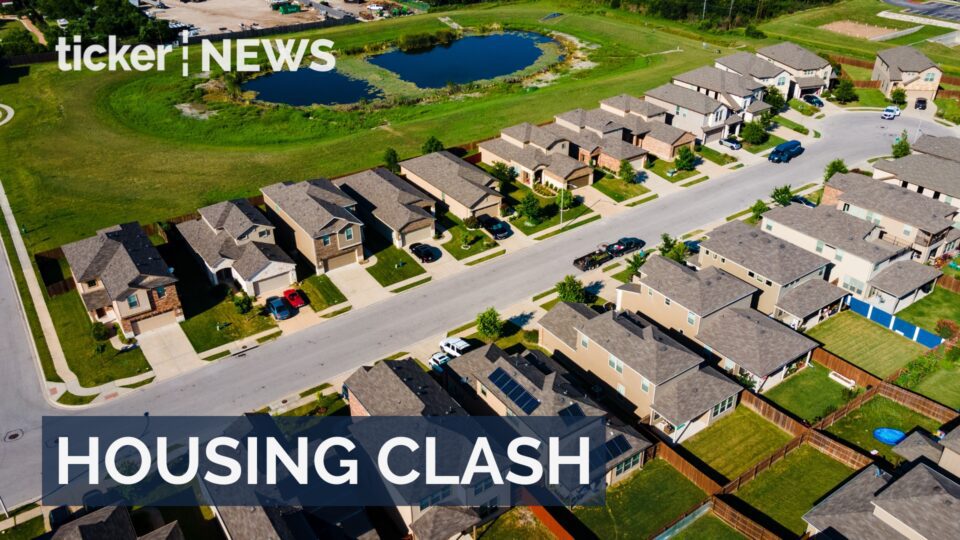
Build-to-rent is a different model. A large company or institution, such as a super fund, insurer or property developer, builds an entire apartment block and keeps it, renting out every apartment rather than selling them off individually.
It’s common in the U.S., where it’s known as multifamily housing, and has grown quickly in the UK. In Australia, it’s still a small part of the market, but growing.
How it works for tenants
Build-to-rent buildings are usually managed by a single operator, often with staff on site. Many offer longer leases than the typical 12 months, along with shared facilities such as gyms, rooftop gardens and co-working spaces.
Because the owner plans to keep the building for decades, it has an incentive to keep tenants happy and keep the building well maintained. Tenants also don’t face the risk of having to move because an individual landlord decides to sell.
Rents are often higher than average for the area, reflecting newer buildings and extra services, although some projects include affordable housing.
Why investors like it
For large investors, build-to-rent offers a steady, long-term income stream from rents that tend to rise with inflation. Super funds in particular are attracted to investments that pay reliable income for decades.
The tax changes
For years, investors argued Australia’s tax rules made build-to-rent less attractive than in other countries. Foreign investors, for example, faced higher tax rates on build-to-rent income than on other types of property.
In 2024, Parliament passed changes to encourage more of it. For eligible projects that began construction after 9 May 2023, the withholding tax rate for foreign investors was cut from 30% to 15%, and the rate at which owners can claim depreciation on the building was increased from 2.5% to 4% a year.
To qualify, projects must have at least 50 homes, keep them under single ownership for at least 15 years, offer leases of at least three years if tenants want them, and rent at least 10% of homes at below-market rents.
Can it fix the rental crisis?
Supporters say build-to-rent adds new homes to the rental market and gives tenants more security.
Critics say it won’t make a big difference on its own, because projects mostly suit inner-city locations, and rents are often aimed at higher-income tenants. Others argue the tax breaks benefit large investors more than renters.
Most economists see it as one part of the answer, alongside building more homes of all types.
























Comments
No comments yet. Start the conversation.