

Wesfarmers started as a farmers’ co-operative in Western Australia. Now it owns some of the country’s best-known shops, from Bunnings to Kmart. Here’s how it makes its money.
Wesfarmers is one of Australia’s largest companies, and owns many of the shops Australians visit every week.
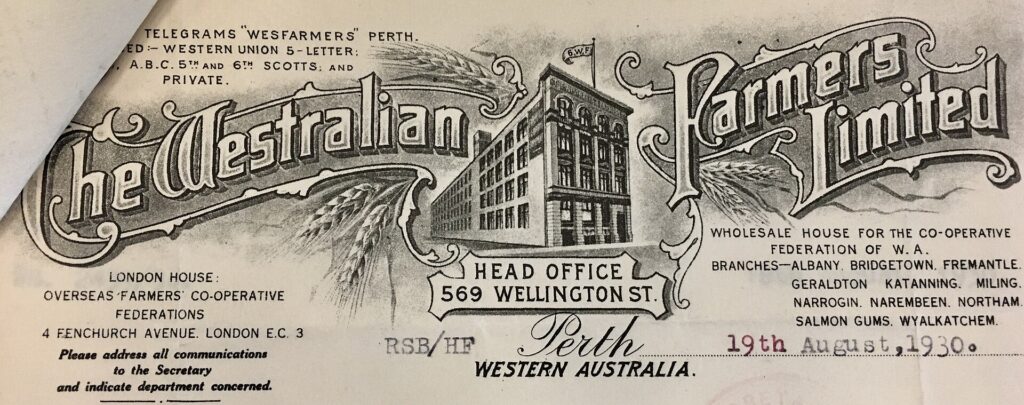
It began in 1914 as the Westralian Farmers Co-operative, set up to help Western Australian farmers buy supplies and sell their produce. It listed on the stock exchange in 1984 and grew through a long series of acquisitions. It bought Coles in 2007, then spun it off as a separate company in 2018.
Wesfarmers is run as a group of separate businesses, with head office deciding where to invest. Its financial year ends on 30 June.
Bunnings and Kmart
Bunnings is the jewel in the crown. The hardware chain brought in revenue of $20.4 billion and earnings of $2.45 billion in the 2026 financial year, more than half of the group’s earnings. It sells to both home DIYers and tradespeople, and its size helps it keep prices low, which makes it hard for rivals to compete.
The Kmart Group, which includes Kmart and Target, is the second-biggest earner, with earnings of about $1.1 billion. Kmart’s success is built on low prices, especially through its own Anko brand, which it designs itself and has made in factories overseas. Wesfarmers has been converting many Target stores into Kmarts.
Officeworks sells stationery, technology and furniture, and Wesfarmers Health owns the Priceline pharmacy chain and other health businesses.
Chemicals, lithium and the risks
Less well known is Wesfarmers Chemicals, Energy and Fertilisers, or WesCEF. It makes ammonia, fertilisers and industrial chemicals in Western Australia, and owns half of the Mt Holland lithium mine and a refinery in Kwinana, which produce lithium for electric vehicle batteries.
That gives Wesfarmers some exposure to commodity prices, although retail remains the core of the business.
Its profits depend heavily on how much Australians are spending. Higher interest rates and cost-of-living pressure can hit sales, although discount retailers like Kmart and Bunnings often hold up better when shoppers are looking for value.
The risks include a slowdown in housing and renovation activity, competition from online retailers such as Amazon and Temu, and rising costs. Rob Scott has been the managing director since 2017.
Latest results, as at 9 November 2026
Full year to June 2026, reported 27 August 2026: revenue rose 3.4 per cent to $47.3 billion. Net profit was $2.87 billion, down 1.8 per cent after one-off items, or up 8.3 per cent without them. Bunnings’ earnings rose 5.1 per cent and the Kmart Group’s 6 per cent. Wesfarmers paid total dividends of $2.22 a share, fully franked.
Trading update, 29 October 2026: at its annual meeting, Wesfarmers said Bunnings sales had slipped in recent weeks, with seasonal products and sales to builders disappointing, while Kmart’s sales were broadly steady. Rob Scott said uncertainty over inflation, house prices, interest rates and tax was weighing on shoppers.
Next update: Wesfarmers reports its half-year results, to December 2026, in February 2027.

























Comments
No comments yet. Start the conversation.