

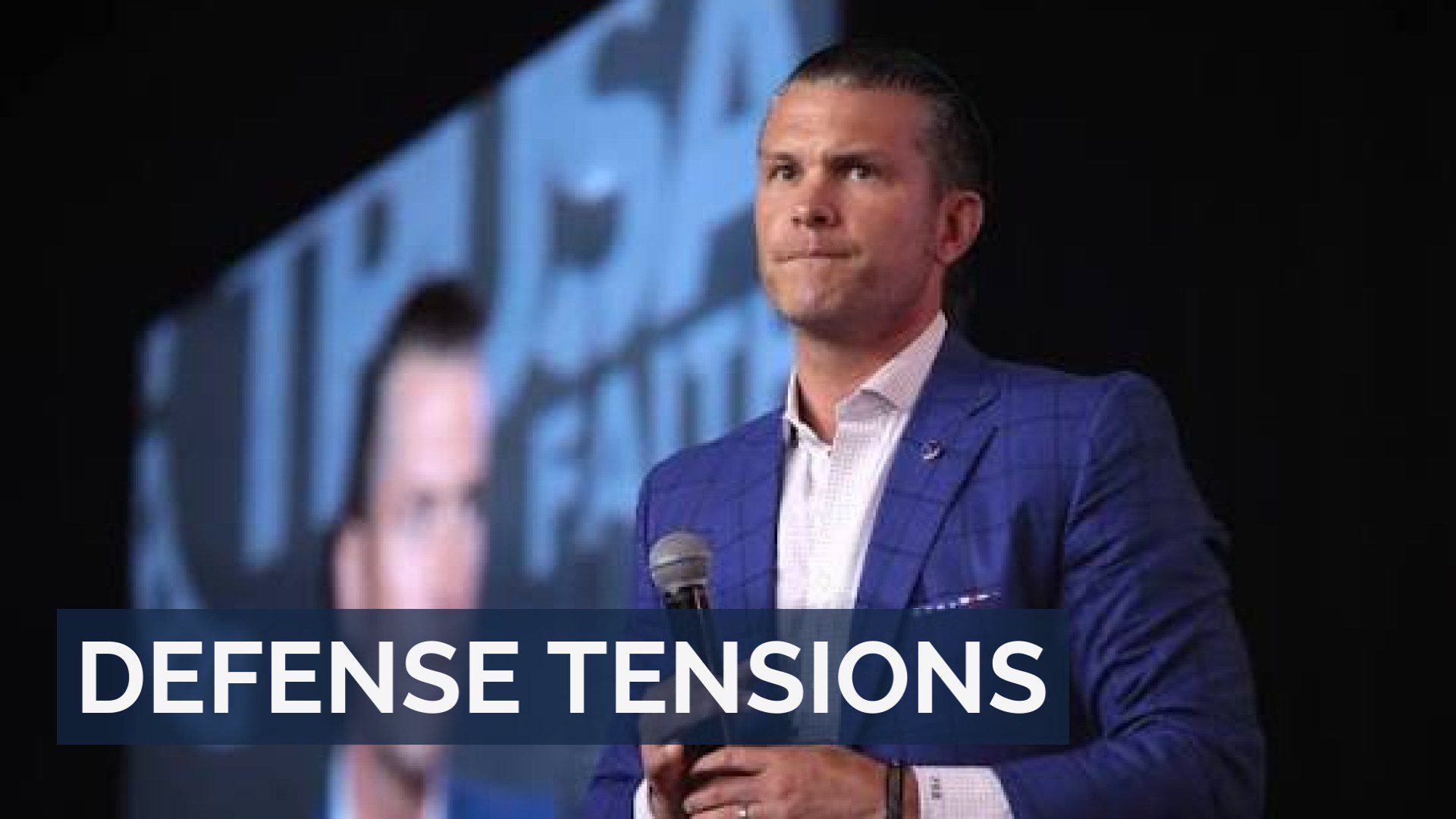
The United States has imposed new restrictions on defence cooperation with Canada, according to a classified memo sent by U.S. Defence Secretary Pete Hegseth last week. The news was reported by The Herald Business, citing officials familiar with the matter.
The specific details of this memo have not been confirmed publicly. However, U.S. officials said the move may be seen as a significant affront to the longstanding partnership between the two countries. The Pentagon has not released the full contents.
Pentagon spokesperson Sean Parnell told the Washington Post that the Defence Department was “taking steps to ensure that cooperation with Canada advances America’s real defence objectives and ultimately supports the revitalisation of the defence relationship between our two countries.”
Parnell also said the new restrictions would not impact intelligence sharing or military cooperation through NATO or NORAD. Both the United States and Canada are founding members of NATO and partners in NORAD, the joint aerospace defence command.
Despite that assurance, claims have emerged that U.S. intelligence sharing with allies has dropped in practice. A Five Eyes alliance official told the Washington Post that the amount of information shared by the U.S. has decreased over the past year. The Five Eyes network includes the U.S., Canada, UK, Australia, and New Zealand.
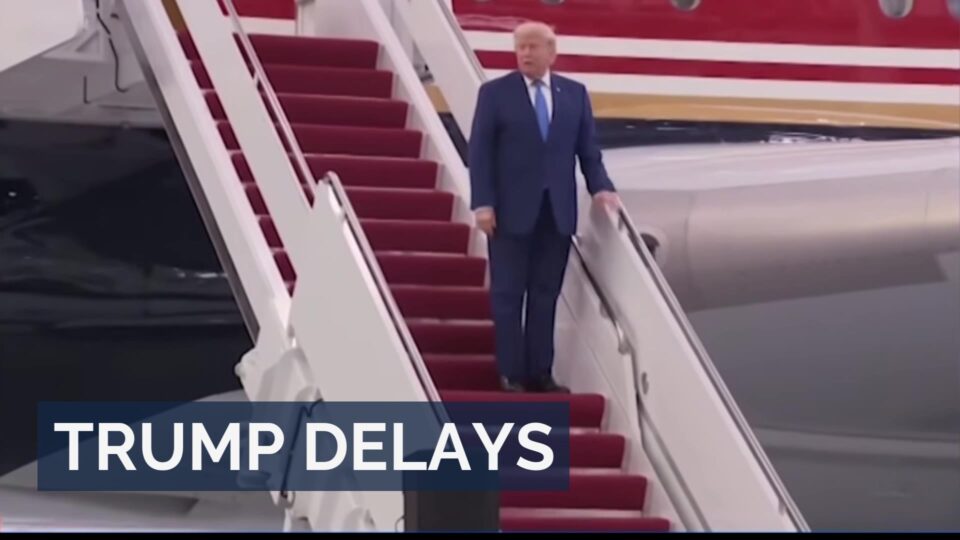
Relations between the U.S. and Canada have become more tense since Donald Trump began his second term in January of last year. The Herald Business notes that disputes on trade and security have put strain on what was once considered a nearly seamless partnership.
Trump has long accused Canada of relying too heavily on U.S. military strength, and has suggested Canada should become an additional U.S. state.
The trade relationship was further strained after the Trump administration imposed tariffs on Canadian steel, aluminium and other products. Canada responded with its own tariffs. On Friday, Trump told reporters at the White House that Canada still had not agreed to a new trade deal on terms acceptable to Washington.
“For some reason they’ve gotten confident,” he said. “We can’t let them feel that way anymore.”
The United States and Canada share one of the world’s longest borders, stretching nearly 9,000 kilometres, and have maintained close defence and security ties for decades. The current changes mark a significant shift, but full details of the new limits on cooperation remain undisclosed at this stage.




















Comments
No comments yet. Start the conversation.