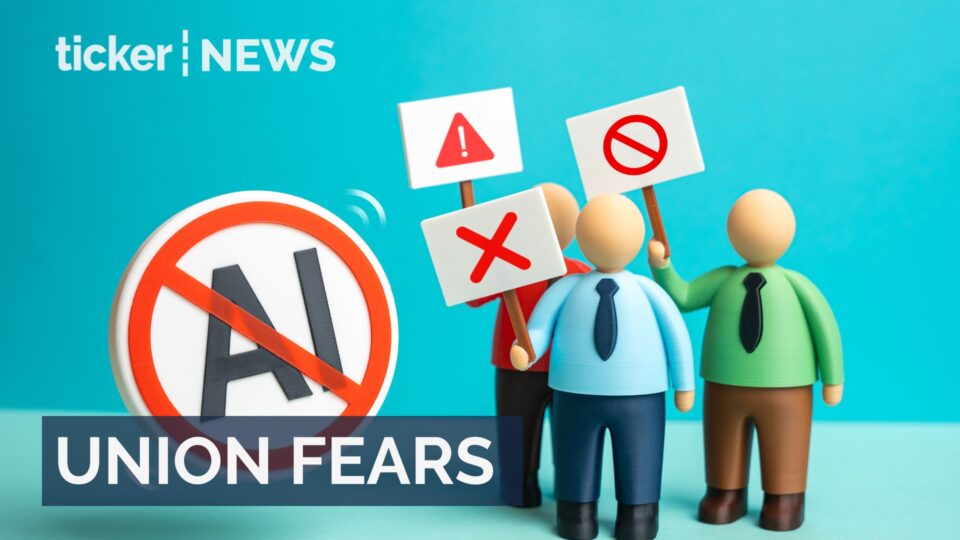
AI chatbots and image generators learned from millions of books, articles, songs and pictures made by people. Whether AI companies should pay for that is one of the biggest legal fights in technology.
Large AI models learn by processing enormous amounts of data. Chatbots are trained on books, websites, news articles and code. Image generators learn from millions of pictures, and music generators from recorded songs.
Much of that material is protected by copyright, which gives creators the right to control how their work is copied and used. That has led to a growing legal and political fight.
The creators’ case
Authors, artists, photographers, musicians and news organisations argue AI companies copied their work without permission or payment to build products worth billions of dollars, which can then compete with them.
They also point out that AI tools can sometimes reproduce parts of their work closely, or generate content “in the style of” particular artists.
The AI companies’ case
AI companies argue that training a model is similar to how people learn by reading and looking at existing work. They say models learn patterns rather than storing copies, and that requiring permission for everything used in training would make building AI impractical.
In the U.S., they rely on “fair use”, a legal doctrine allowing limited use of copyrighted material without permission for purposes such as research, commentary and transformative new works.
The major cases
Dozens of lawsuits have been filed, mostly in the U.S.
The New York Times sued OpenAI and Microsoft in 2023, alleging millions of its articles were used to train ChatGPT. Getty Images sued Stability AI over the use of its photos. Record labels sued AI music generators.
Courts have reached mixed conclusions. In 2025, a U.S. judge found that training an AI model on books could be fair use, but that using pirated copies could still breach copyright. Anthropic, the maker of the Claude chatbot, later agreed to pay US$1.5 billion to settle a class action by authors over pirated books.
Licensing deals
Many AI companies have signed licensing deals with publishers and media groups, paying for access to their content for training or to display in AI answers. Supporters say this shows a market for licensing can work, while critics say smaller creators are left out.
Where Australia stands
Australia’s Copyright Act doesn’t include a broad fair use exception like the U.S.
In 2025, the Federal Government ruled out introducing a text and data mining exception that would have allowed AI companies to train models on copyrighted material without permission, after strong opposition from authors, musicians, artists and media companies. It’s examining other ways to make sure creators are paid, such as licensing arrangements.
The outcome matters for Australian media, publishing and creative industries, and for how AI tools are built and used here.