

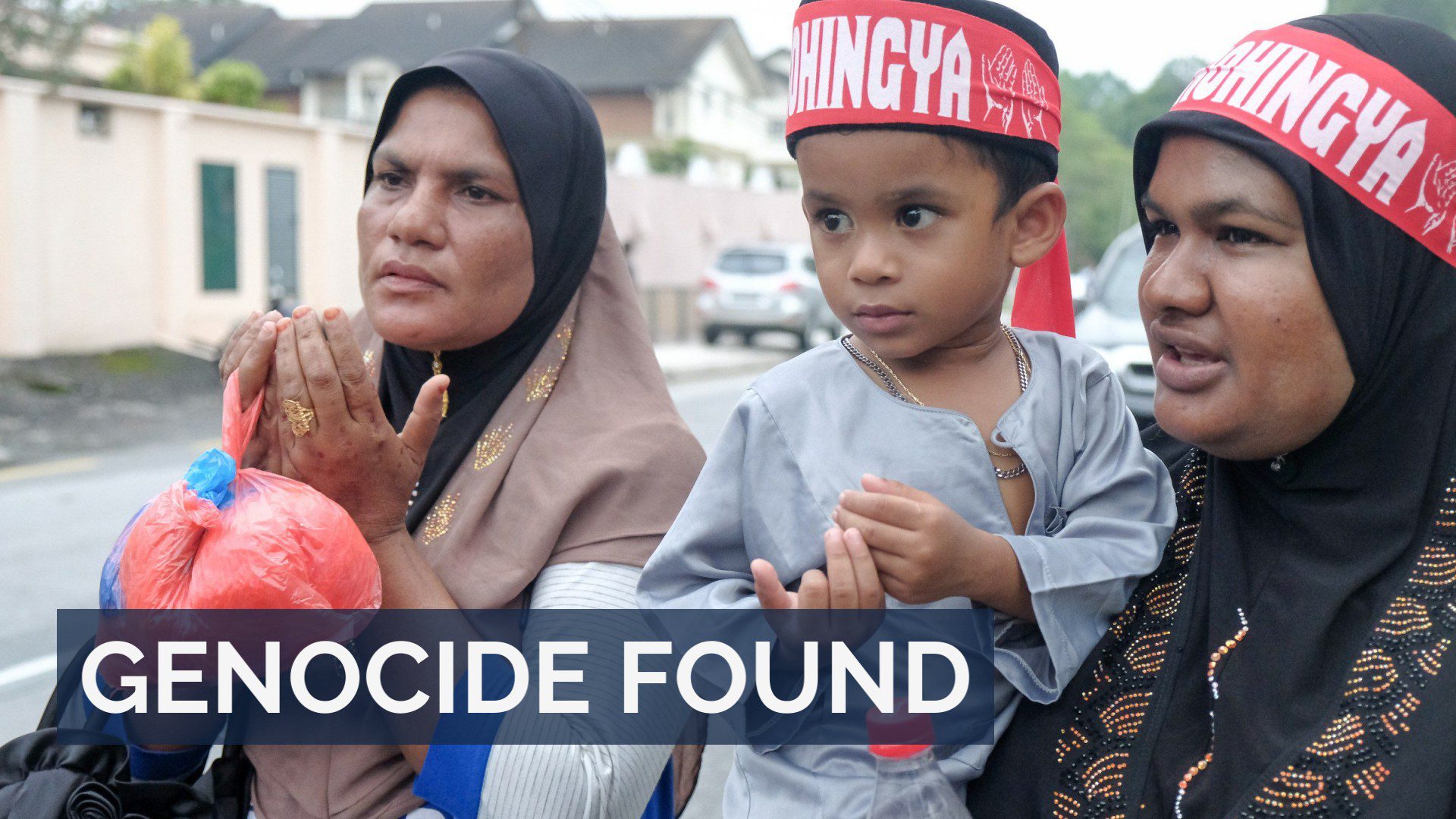
The International Court of Justice (ICJ) has found Myanmar responsible for genocide against the Rohingya during the military’s 2017 campaign, according to the court’s newest ruling. The decision marks the first time the World Court has held a state responsible for genocide against the Rohingya people.
The court ruled that the crackdown, which led hundreds of thousands of Rohingya to flee to neighbouring Bangladesh, met the legal threshold for genocide. The order compels Myanmar to allow those who were forced out of the country to return. The ICJ’s verdict came after years of international legal proceedings and growing evidence of mass violence and displacement targeted at the Rohingya by Myanmar’s military authorities.
Myanmar has consistently denied accusations of genocide since the events of 2017. Its official position is that its military’s actions were legitimate security operations. The government has not yet responded to the World Court’s latest ruling, and it is not yet known how it will comply with the court’s order or whether it will allow returning Rohingya refugees the protections required under international law.
International response and next steps
This ICJ ruling places new pressure on Myanmar’s military authorities. It also raises expectations for United Nations member states to take steps to enforce the order. Enforcement and next steps depend on both Myanmar’s response and possible diplomatic action at the UN level. As of now, it is not clear what measures—if any—will be immediately implemented, or how the order will affect the situation of Rohingya currently in Bangladesh refugee camps.
To date, the ruling is a significant legal milestone for the Rohingya community and for advocates seeking accountability for mass atrocity crimes. How effectively the ICJ’s order is enforced in practice remains unknown. Many details, including how Myanmar will facilitate safe and voluntary returns, or guarantee rights for returning Rohingya, are yet to be confirmed.























Comments
No comments yet. Start the conversation.