

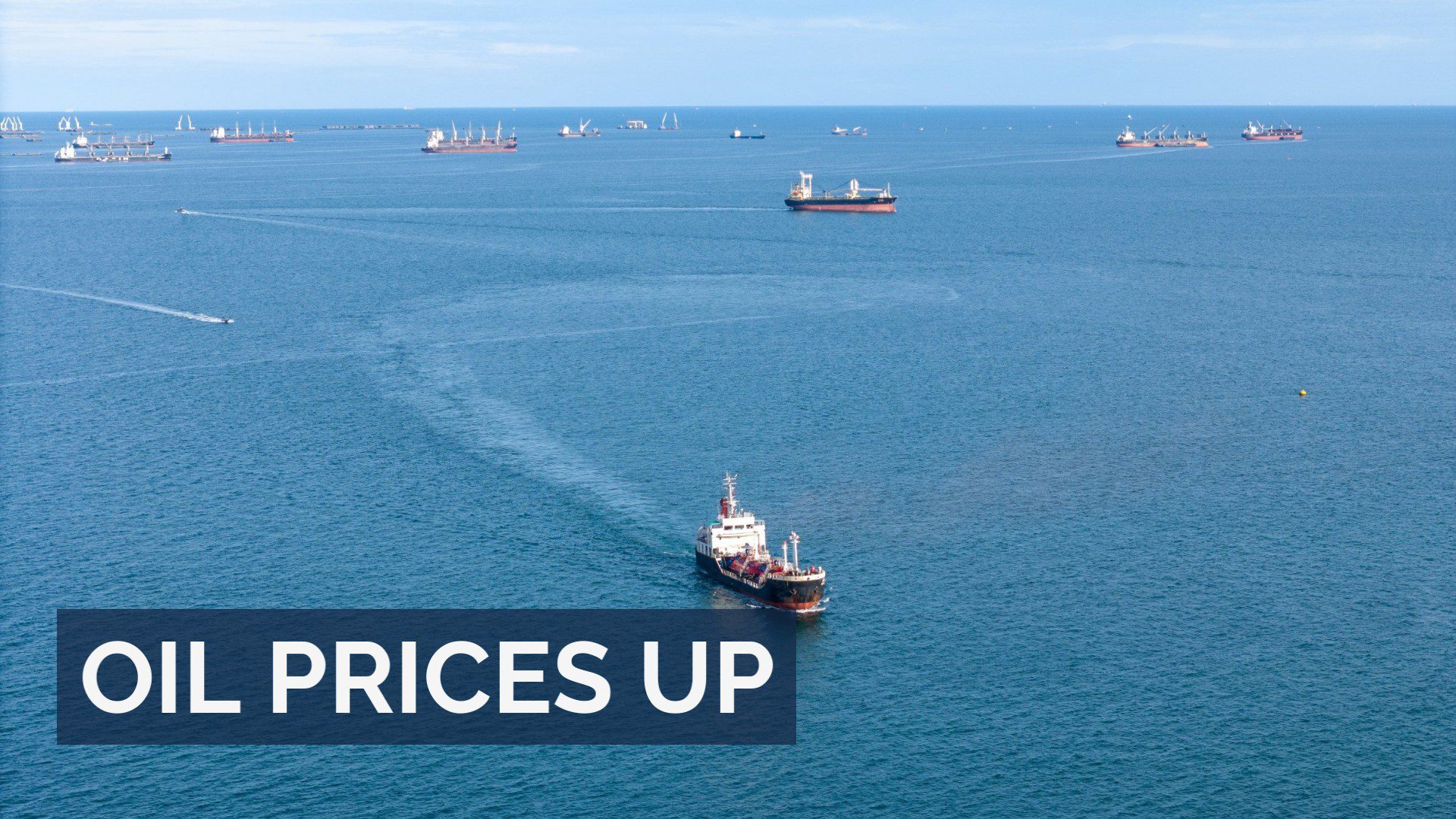
Oil prices increased by about one per cent after incidents near the Strait of Hormuz renewed concerns about supply risks for the important shipping corridor, according to market reports.
Brent crude traded near US$93.33 per barrel, with U.S. West Texas Intermediate holding close to US$86.53. The fresh gains came after reports of an Iranian drone strike on a U.S. radar system in Bahrain, and a separate incident where a vessel was reportedly hit while transiting the strait. These events have raised fears about security along the vital waterway, which is responsible for the passage of a significant share of the world’s oil shipments.
The Strait of Hormuz is viewed as a key strategic chokepoint for global energy flows. Recent attacks have underscored what several analysts say is the continuing vulnerability of the route amid regional tensions. While the situation remains fluid, security assessments about ongoing risk are yet to be confirmed by independent agencies.
Outlook for oil markets
Despite the immediate price reaction in oil markets, the overall supply outlook remains one of surplus heading into the end of the year. The International Energy Agency (IEA) has forecast that oil supply will outpace demand in the fourth quarter. This forecast continues to keep some pressure on prices despite the geopolitical risks highlighted by the latest incidents near the strait.
The IEA’s view suggests there could be more oil available than needed in coming months, depending on how current events in the Middle East evolve. The agency’s projections reflect expectations of production volumes and changing global demand patterns. No further details have been provided yet on the impact of today’s attacks on future supply.
So far, there have been no official updates on the status of shipping through the Strait of Hormuz following the reported incidents, and the full extent of any disruption is unclear. Authorities in the region have not released additional statements.
Oil trading will continue to watch developments around the strait amid a delicate balance between near-term supply fears and longer-term forecasts for market surplus.






















Comments
No comments yet. Start the conversation.