

Rio Tinto began at a copper mine in Spain in 1873 and grew into one of the world’s biggest miners. Here’s how it makes its money, and why it is betting on copper and lithium.
Rio Tinto is one of the world’s largest mining companies and one of the biggest companies on the ASX.
It was founded in 1873 to reopen ancient copper mines at the Rio Tinto river in Spain. Its Australian arm grew out of Conzinc Riotinto of Australia, or CRA, which merged with the British company in 1995. Rio Tinto is listed in both London and Australia, reports in U.S. dollars, and its financial year runs to 31 December.
Iron ore from the Pilbara
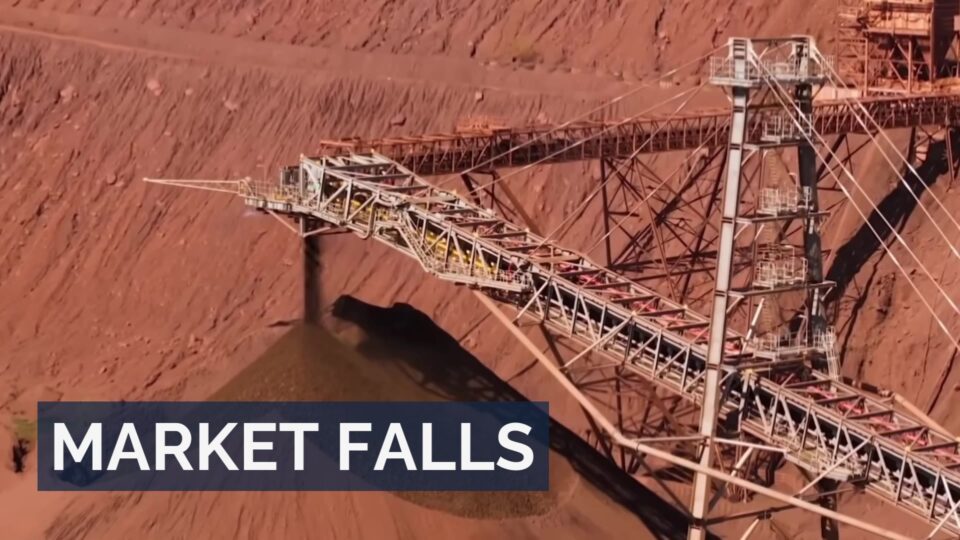
Iron ore, the main ingredient in steel, is Rio Tinto’s biggest business. It runs 17 mines in the Pilbara region of Western Australia, linked by its own railway to ports at Dampier and Cape Lambert. Most of the ore goes to steelmakers in China.
That makes Rio Tinto’s profits heavily dependent on the iron ore price, and on China’s construction and manufacturing industries.
Rio Tinto is also developing Simandou in Guinea, West Africa, one of the world’s largest untapped deposits of high-grade iron ore. It shipped its first ore in late 2025, and the project is ramping up.
Aluminium, copper and lithium
Rio Tinto is one of the world’s biggest aluminium producers. It mines bauxite in Queensland, refines it into alumina, and smelts aluminium in Canada, Australia and New Zealand, using hydroelectric power at many of its smelters.
Its copper business includes Oyu Tolgoi in Mongolia, one of the largest copper mines in the world, the Kennecott mine in the U.S. state of Utah, and a share of Escondida in Chile.
In 2025, it bought lithium producer Arcadium Lithium for about US$6.7 billion, making it a major supplier of the metal used in electric vehicle batteries.
Rio Tinto is betting on growing demand for copper, aluminium and lithium as the world electrifies.
Juukan Gorge and the risks
In 2020, Rio Tinto destroyed 46,000-year-old rock shelters at Juukan Gorge in the Pilbara, sacred to the Puutu Kunti Kurrama and Pinikura peoples, to expand an iron ore mine. The public outcry led to the departure of its chief executive and other senior leaders.
The risks include lower commodity prices, a slowdown in China, cost blowouts on big projects, political risk in countries such as Guinea and Mongolia, and relations with Traditional Owners. Simon Trott, who previously ran its iron ore business, has been chief executive since August 2025.
Latest results, as at 9 November 2026
Half year to June 2026, reported 29 July 2026: revenue rose 15 per cent to US$31 billion, and net earnings rose 47 per cent to US$6.7 billion, its best first half in four years. Copper, aluminium and lithium made up more than half of its underlying earnings. Rio Tinto paid an interim dividend of US$2.11 a share, up 43 per cent.
September quarter 2026, reported 14 October 2026: Pilbara iron ore shipments rose 2 per cent to 85.7 million tonnes, Oyu Tolgoi’s copper output rose 27 per cent, and Simandou reached an annual rate of about 10 million tonnes. Rio Tinto kept its production and cost forecasts.
Next update: Rio Tinto reports its full-year results for 2026 in February 2027.



















Comments
No comments yet. Start the conversation.