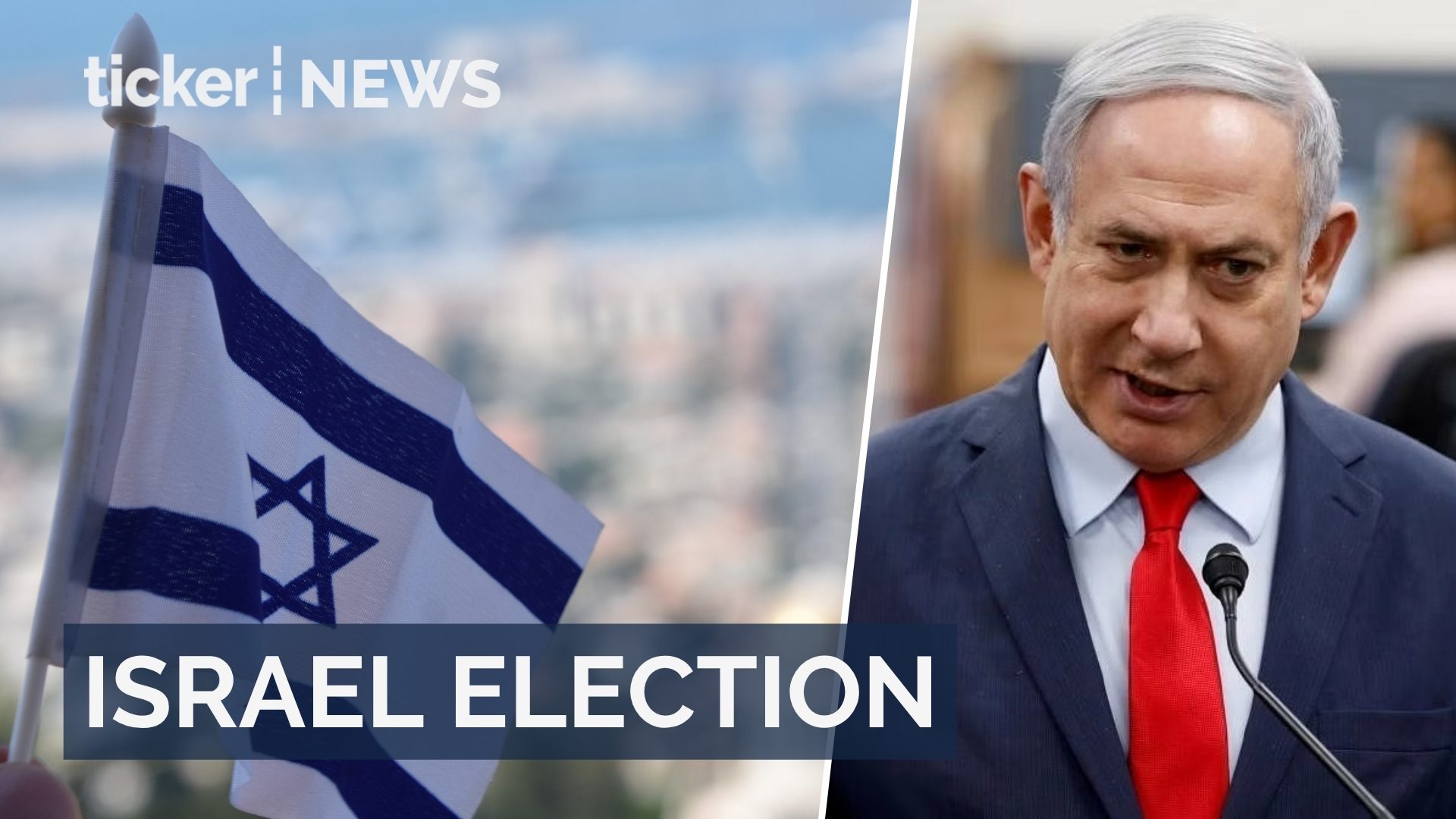
Israel votes in crucial election amid high turnout and fierce competition between Netanyahu and Eisenkot

Election updates
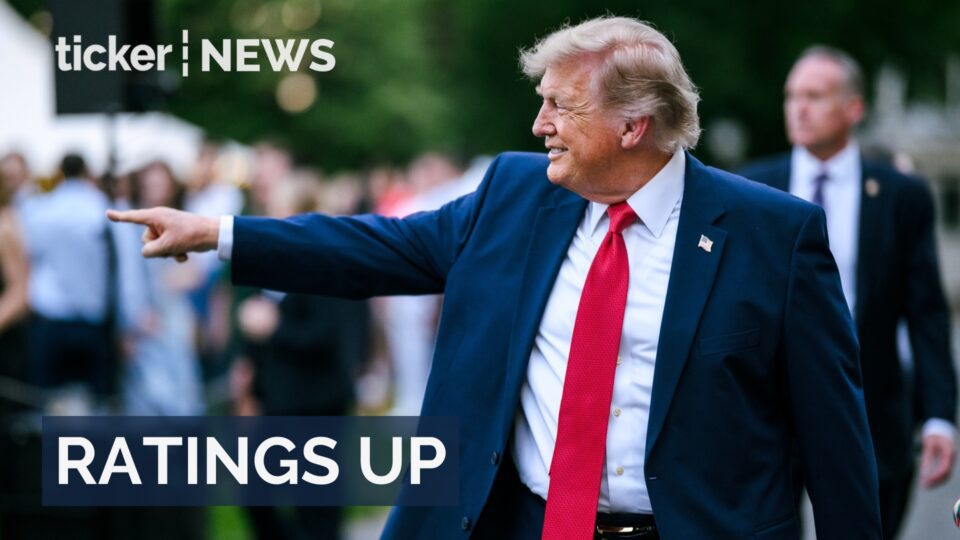
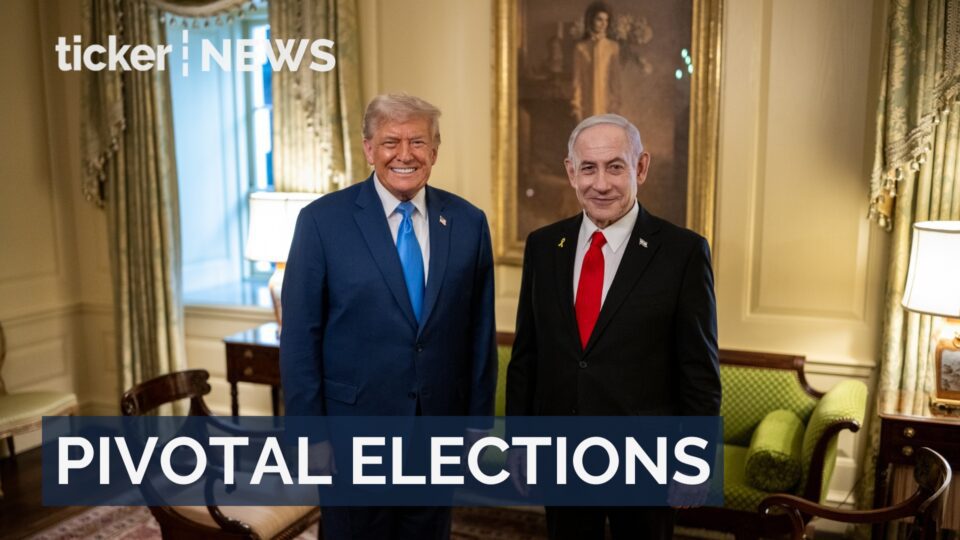
Netanyahu promotes his wartime leadership and endorsement from U.S. President Donald Trump. Conversely, Eisenkot accuses Netanyahu of fear-mongering, expressing confidence Trump will cooperate with any elected leader. Current polls indicate a tight race, with no clear frontrunner.
Several parties are aiming to challenge Netanyahu’s leadership. Yashar, led by Eisenkot, campaigns on integrity and social cohesion. The TOGETHER alliance, formed by ex-prime ministers Naftali Bennett and Yair Lapid, focuses on national healing post-attack.
The ISRAEL OUR HOME party, led by Avigdor Lieberman, appeals primarily to Israel’s ex-Soviet immigrant community. Arab parties Ra’am and The Joint List, representing Israel’s Arab minority, oppose Netanyahu’s policies.
Despite potential changes in leadership, Israel’s strategy on Iran is unlikely to shift. Both Netanyahu and Eisenkot maintain strong security control over disputed territories, showing little inclination for a two-state solution.
Palestinian protests have erupted in Hebron amid the voting process, primarily in response to recent military actions leading to displacements. Some officials speculate Netanyahu may use this unrest to galvanise his base.
After election results, President Isaac Herzog will consult party leaders to identify a prime ministerial candidate. The formation of a new government typically requires extensive coalition negotiations.