Shipping through Strait of Hormuz rebounds with U.S. military escorts amid ongoing tensions with Iran

Traffic rebounds
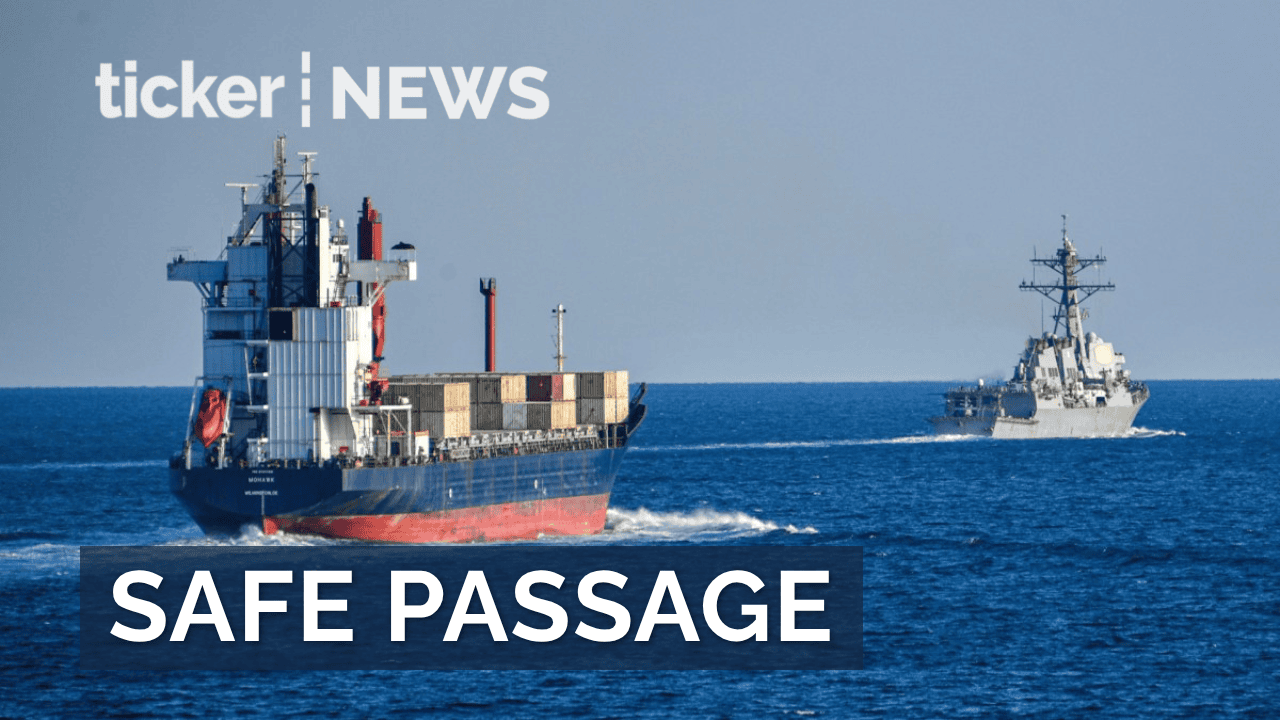
On July 29, twenty vessels crossed the strait, reflecting an increase in maritime traffic from earlier weeks when daily crossings were limited.
Among these vessels was the Al Areesh, marking Qatar’s first liquefied natural gas shipment through the strait in weeks.
U.S. Energy Secretary Chris Wright confirmed the military’s role in ensuring safe passage for oil and gas shipments.
The oil-shuttling trade has also resumed, helping millions of barrels reach global markets while avoiding the most perilous sections of the waterway.
Concerning conditions
Despite the rebound, the situation remains precarious, with five of the crossings on July 29 classified as dark vessels operating without standard identification signals.
Windward reported significant discrepancies in tanker identities, largely related to Iranian sanctions evasion.
Charter rates have surged, with some crude carriers booked at nearly $500,000 per day due to the heightened risks.
U.S. Central Command accused Iran’s Islamic Revolutionary Guard Corps of targeting commercial shipping, with Iranian forces reportedly intercepting oil tankers.
The rise in tensions in the Strait of Hormuz is part of a larger trend of maritime chokepoints transforming into conflict zones, as highlighted by recent incidents in the region.