

Macquarie is often called the “millionaires’ factory” for its big pay packets. Here’s how Australia’s largest investment bank makes its money, and why most of it is earned overseas.
Macquarie Group is Australia’s largest investment bank and one of the country’s most international companies.
It began in Sydney in 1969 as Hill Samuel Australia, a small offshoot of a British bank, before becoming Macquarie Bank in 1985. Today, it operates in more than 30 markets around the world, and about two-thirds of its income is earned outside Australia.
Its financial year ends on 31 March. In the 2026 financial year, it reported a net profit of $4.85 billion, up 30 per cent.
Macquarie is known for its “millionaires’ factory” nickname, earned because of the large bonuses paid to its staff, which are linked to the profits they bring in.
Four businesses
Macquarie is made up of four main businesses.
Macquarie Asset Management invests money on behalf of pension funds, insurers and other investors. It is best known as one of the world’s largest managers of infrastructure, owning stakes in assets such as toll roads, airports, energy networks and renewable energy projects. It earns management fees, and performance fees when investments do well.
Banking and Financial Services is its Australian retail bank. It has grown rapidly in home lending in recent years, winning market share from the big four banks largely through mortgage brokers, and also offers deposits, wealth management and business banking.
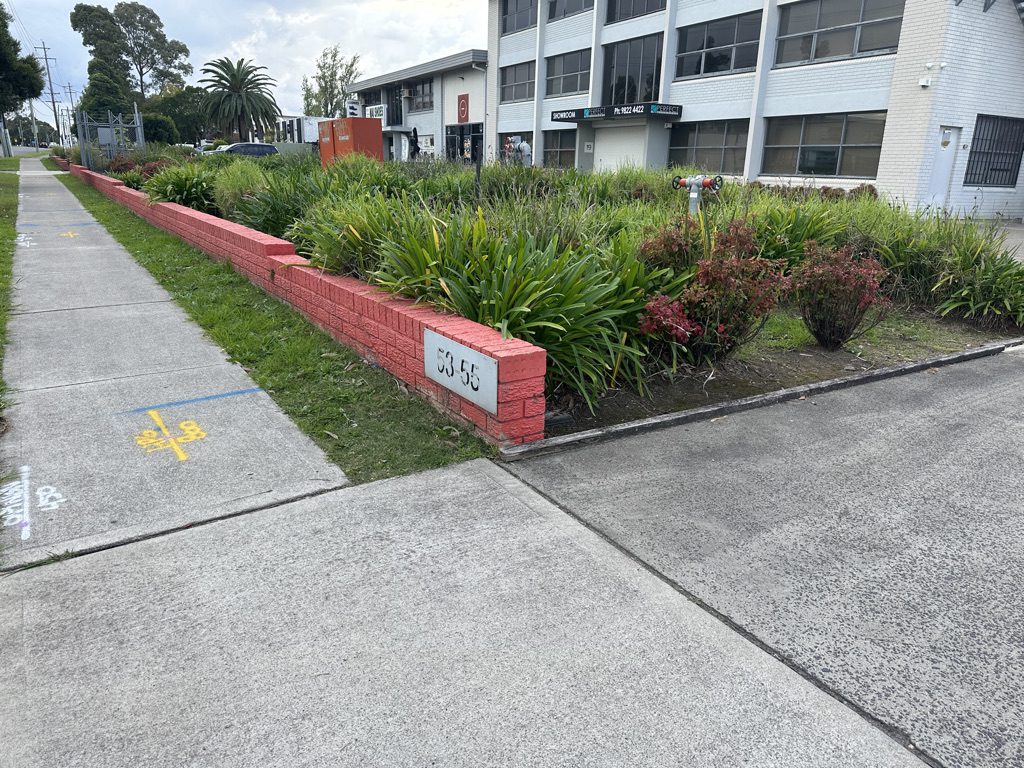
Commodities and Global Markets trades and finances commodities such as gas, power, oil and metals, along with currencies and other financial products, for clients around the world. It is often the group’s biggest profit contributor, especially when energy markets are volatile.
Macquarie Capital advises companies on mergers and acquisitions and fundraising, and invests the group’s own money in businesses and projects.
Steady income and the risks
Macquarie describes some of its income as “annuity-style”, meaning steady and recurring, such as banking and asset management fees. The rest is “markets-facing”, from trading and deals, which can swing sharply from year to year depending on market conditions.
That makes its profits more volatile than a traditional bank’s. The risks include falling asset values, quieter deal markets, sudden swings in commodity prices and tighter regulation.
Shemara Wikramanayake, chief executive since 2018, presented her last result in November 2026 before retiring. Long-time Macquarie executive Greg Ward is succeeding her.
Latest results, as at 9 November 2026
Half year to September 2026, reported 6 November 2026: net profit rose 50 per cent on a year earlier to $2.48 billion, on net operating income of $9.57 billion. Commodities and Global Markets earned $2.03 billion, up 83 per cent, and Asset Management’s earnings rose 28 per cent, helped by the sale of its aircraft leasing business, Macquarie AirFinance. Macquarie Capital’s earnings fell 61 per cent. The interim dividend is $3.25 a share, 35 per cent franked.
Next update: Macquarie reports its full-year results, to March 2027, in May 2027.























Comments
No comments yet. Start the conversation.