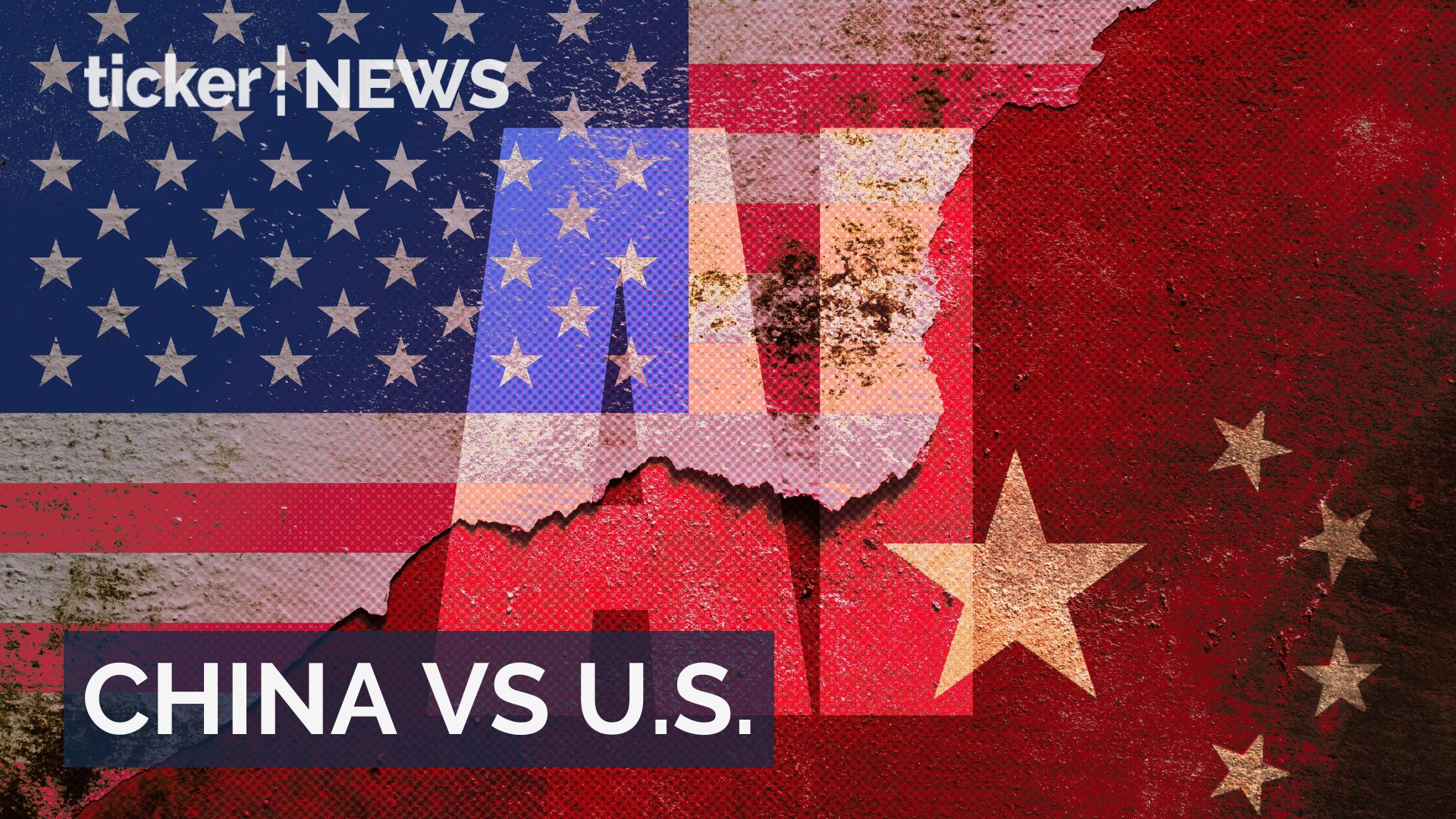
Asian countries navigates AI alliances between U.S. and China, seeking benefits from both superpowers amid growing global tensions

This decision presents a conflict: The U.S. offers advanced chips and technologies, while China provides affordable, open-source AI systems.
Kazakhstan exemplifies a nation attempting to balance this divide.
Three weeks after attending a U.S. AI summit, Kazakhstan’s AI minister Zhaslan Madiyev signed an agreement in China, becoming a founding member of its AI initiative.
Joining Pax Silica could yield technological partnerships and high-tech jobs, while being part of China’s organisation allows Kazakhstan to influence AI standards.
“Everyone is hedging,” said Dana Masalimova, a former diplomat from Kazakhstan.
Kazakhstan enjoys investments from both superpowers but faces risks due to its resource reliance.
The government recently reached a $10 billion investment deal with Nvidia to develop a data centre valley.
Chinese investment in Kazakhstan peaked at $2.8 billion in 2025, as Chinese President Xi Jinping met with Kazakh President Kassym-Jomart Tokayev for further cooperation.
Global implications
China and the U.S. use AI to bolster global influence. President Trump says “whoever wins AI, wins.”
China denies U.S. allegations of technology theft, countering that the U.S. aims for AI monopoly. The U.S. restricts access to key AI technologies for countries supporting competing ideologies.
China promotes the World AI Cooperation Organization as inclusive and collaborative.
As nations seek benefits from both blocs, Indonesia and Singapore are also trying to maximise opportunities. Countries such as Saudi Arabia and France are pursuing varied partnerships for AI developments.
Japan remains aligned with the U.S. but explores affordable Chinese AI for low-risk applications.
The U.K. and Germany face challenges but may depend on U.S. ties for critical technology.
China’s advancements in AI and chipmaking continue, though it still trails U.S. capabilities.
Funding from China aids AI projects across developing countries, fostering positive sentiments towards its technologies.
Despite advantages and disadvantages, many nations are hesitant to commit to one side in the AI race.