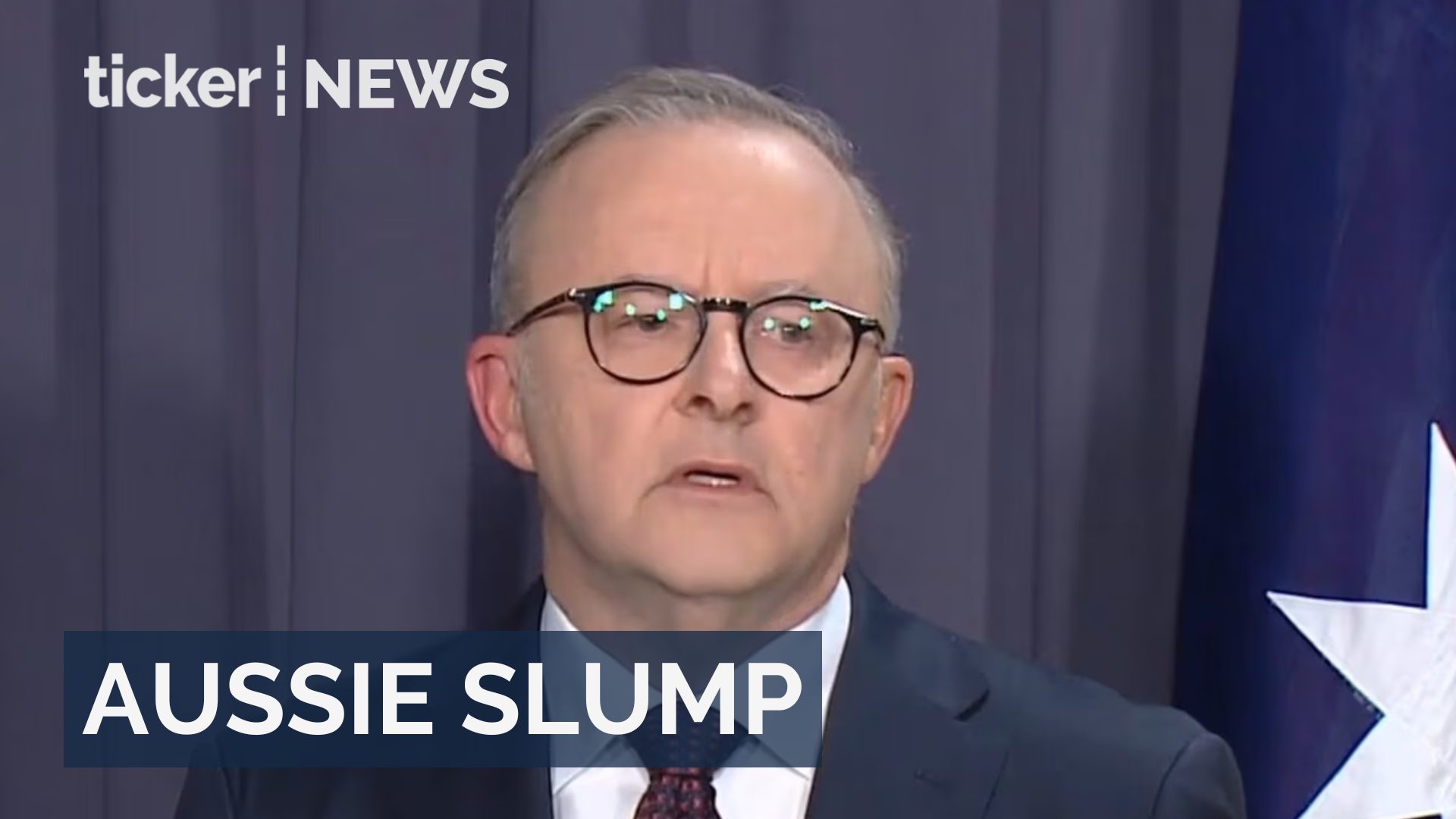
Australia’s consumer confidence plummets as inflation and interest rates rise, overshadowing the Albanese government’s efforts to ease cost pressures

Confidence drops sharply
The consumer confidence index now stands at 98.4 points, aligning with the OECD average.
This index gathers data from surveys on household expectations regarding finances, the economy, and unemployment.
Readings below 100 signal pessimism, suggesting a tendency among households to reduce spending.
According to Challenger chief economist Jonathan Kearns, the decline in confidence is largely influenced by persistent high inflation.
“Consumers remember news on inflation – recall is particularly high,” Kearns noted, stressing the negative impact of inflation news on consumer sentiment.
Concerns related to politics, taxation, and the budget have also contributed to the overall pessimistic outlook.
Government decisions regarding negative gearing and the capital gains tax discount have not yielded positive public perception.
Consequently, the Albanese government faces challenges in alleviating cost-of-living pressures effectively.
Government under pressure
The sharp drop in consumer confidence may further complicate the government’s efforts to reassure voters about its economic strategies.
Ongoing monitoring and adjustments to fiscal policies may be necessary to address growing concerns among Australian households.