
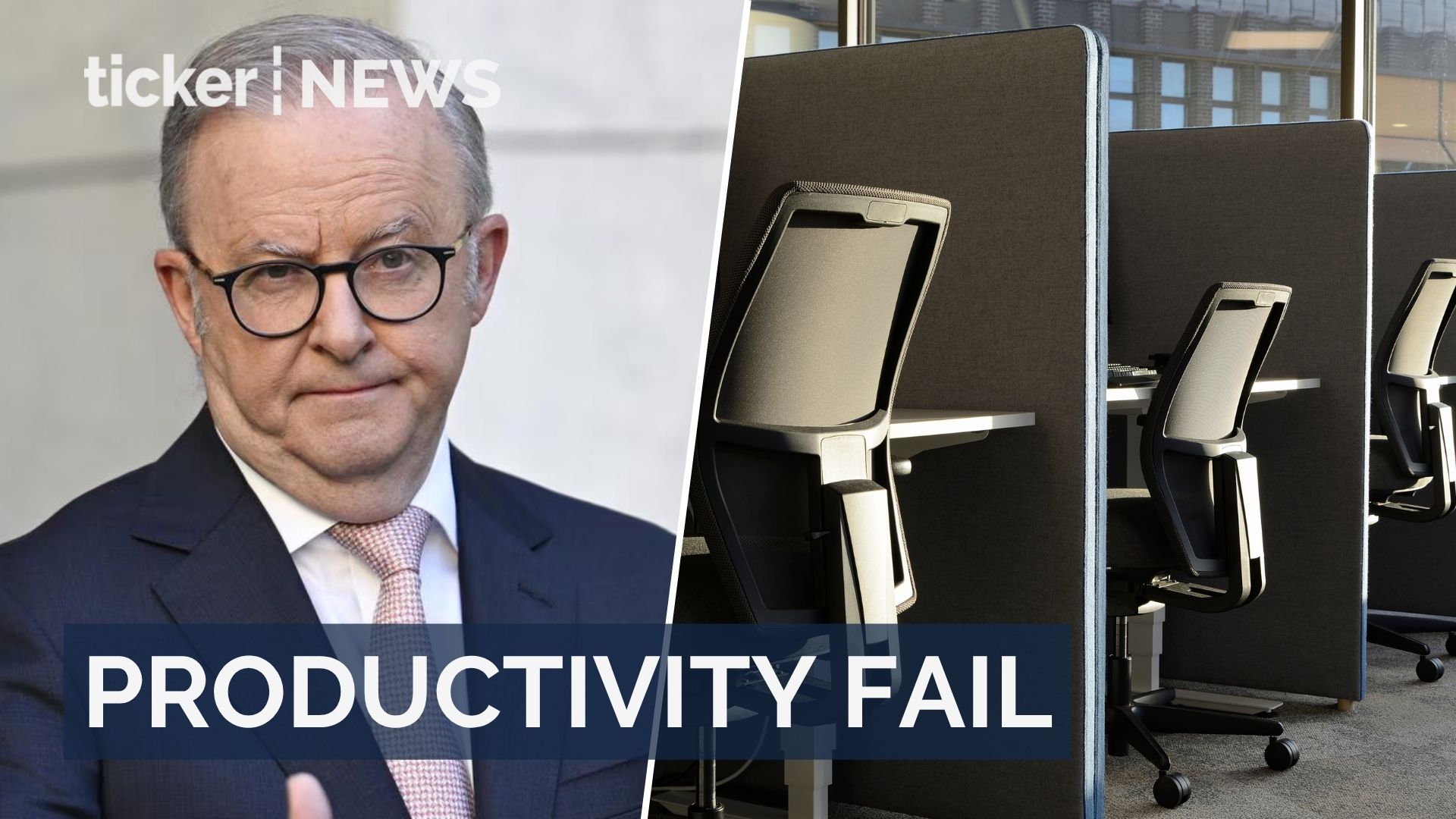
Australia faces a productivity crisis, warning of the worst decade since 1960 under Albanese’s government policies, says Business Council

Productivity concerns
The BCA released an economic outlook indicating a productivity crisis requiring a government response.
It highlights that productivity growth in the 2020s is on track to be the lowest recorded, which will negatively impact real incomes, inflation, and economic growth.
Analysis shows the government would need to increase productivity by 3 percent annually for four years to match the performance of the 2010s.
Prime Minister Anthony Albanese acknowledged the need for improvement and highlighted efforts in artificial intelligence and skills programs like Free TAFE.
Despite ongoing productivity declines, Treasury’s recent budget forecasts optimistic growth assumptions that contradict other downgraded estimates.
Australia’s productivity performance trails other nations, and the BCA warns that without change, the cost of living and living standards will suffer.
The BCA stresses the need for comprehensive tax reform and reduced regulatory burdens to boost investment.
Moreover, ongoing productivity declines threaten funding for essential services and increase future taxpayer burdens.
The BCA argues that current policies are counterproductive and calls for substantive reform to address these challenges.
Call for reform
Industry leaders demand more robust measures to revive productivity growth.
The BCA proposes a target of reducing regulatory costs by 25 percent by 2030 to facilitate economic improvement.
Policy changes must encourage investment and streamline workplace laws to regain lost momentum.
The BCA asserts that without bold action, millions of Australians will continue to experience economic difficulties.
The reversal of recent productivity-sapping regulations is essential for improvement and economic stability.