

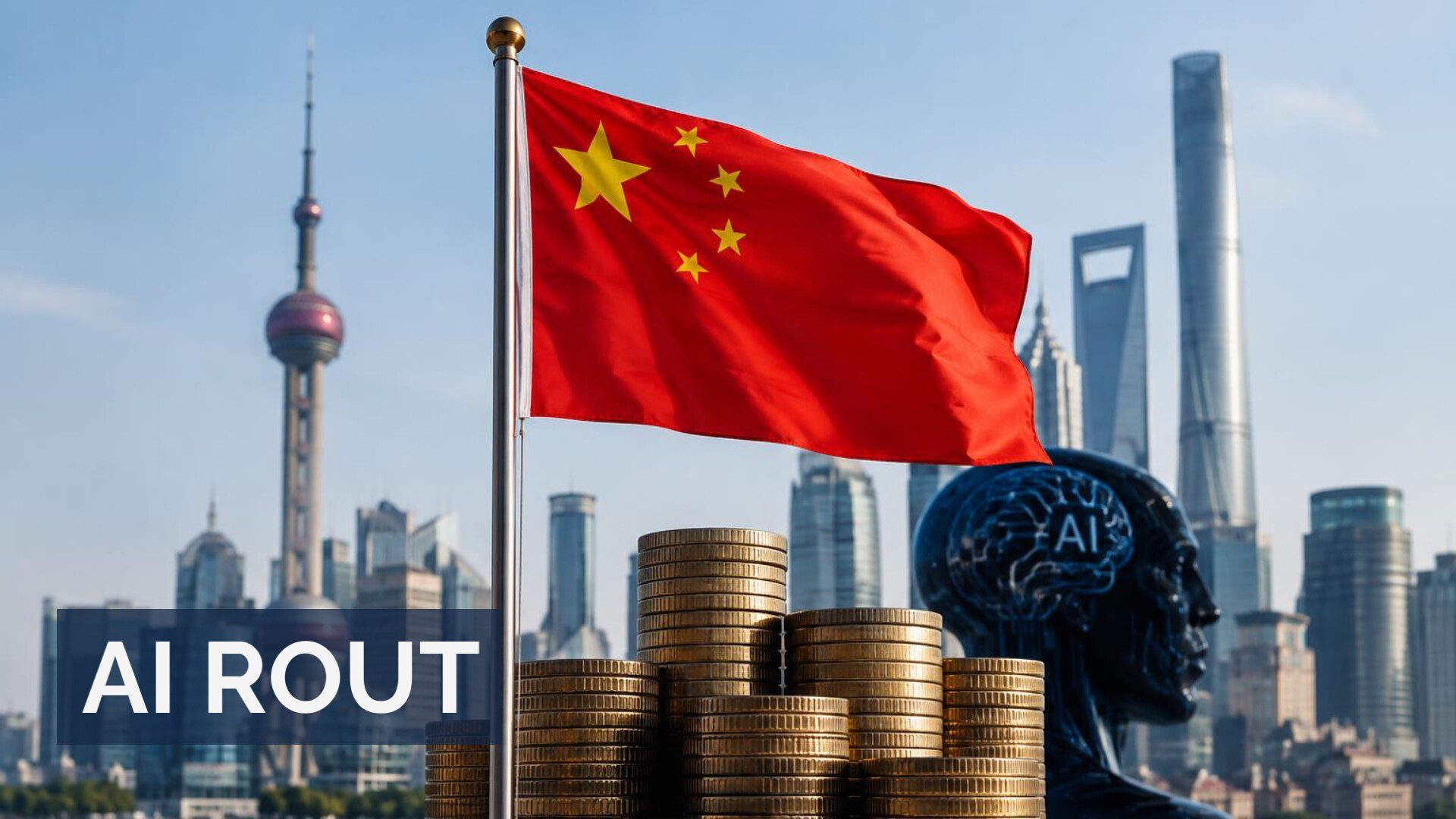
Chinese AI stocks have collectively lost $1.7 trillion in market value since the end of June, Bloomberg data shows, as reported by indiaipo.in. The sharp fall wipes out the major gains seen in the first half of the year and marks a challenging turn for China’s technology sector.
Indexes that track Chinese tech stocks, including the Hang Seng Tech Index and the onshore ChiNext Index, have now slumped into negative territory for the year. The Hang Seng Tech Index, home to internet giants like Alibaba and Tencent, is at a two-year low.
The ChiNext Index, which hit record highs over the summer, is now down 31% in 2026. The chip-focused Star 50 Index has also fallen back after a record rally.
Much of this reversal comes as global optimism for the AI boom has cooled. According to indiaipo.in, the appeal of Chinese AI as a cheaper alternative to U.S. technology has been shaken by new U.S. moves to further restrict access to advanced chips.
Recent draft rules from Washington have closed loopholes that allowed Chinese companies to rent high-end processors from overseas, making it even harder for Chinese firms to train their AI models.
Bush Chu, investment director for China equities at Aberdeen Investments, told indiaipo.in that investors are now worried about a slowdown in AI capital spending and the long-term viability of U.S.-China supply chain ties. Market volatility has left fund managers “pretty speechless,” as once-hot names like Z. AI Co. and Zhongji Innolight Co. have seen their shares tumble from record highs.
Tencent’s management warned last week that the ongoing crunch in chip supplies could delay its next HY4 AI model, although it hopes the Chinese supply chain can help fill some of the gap. Alibaba has forecast a slowdown in its cloud division’s growth for 2027, but expects a rebound by 2028.
China’s push for homegrown tech self-sufficiency is also being tested. None of the world’s 10 most advanced AI models are currently from China, according to the Artificial Analysis Intelligence Index—contrasting with earlier in the year when China had a strong showing.
Local semiconductor players such as Semiconductor Manufacturing International Corp. may benefit as foreign suppliers withdraw, indiaipo.in reports, but for now, major internet companies are contending with high technology costs and slow AI monetisation. Sector valuations have dropped, though many analysts believe further falls are needed before Chinese AI stocks become truly attractive investments.
For now, the Chinese AI rally has not just faded, but reversed, amid complex pressures both domestic and international. The sector is likely to face further uncertainty until the impact of U.S. rules and China’s own response become clearer.

























Comments
No comments yet. Start the conversation.