

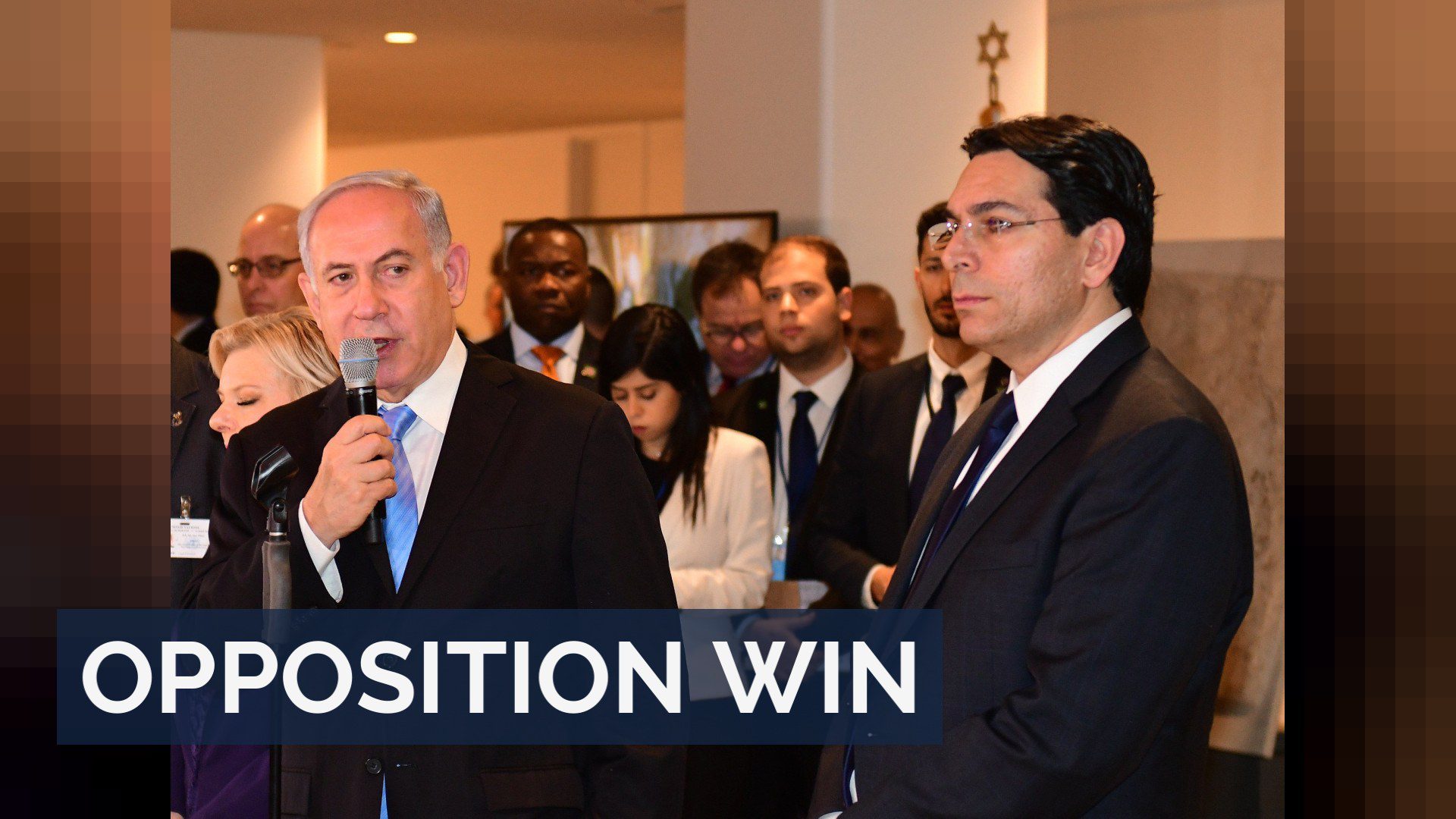
Israel’s parliament, the Knesset, has voted in a new speaker backed by Benjamin Netanyahu’s political opponents. This marks a key institutional defeat for Netanyahu following his party’s losses in the recent election.
The appointment changes the balance of power inside the Knesset. Observers say it could allow critics of the outgoing government to move more easily to reverse previous policies.
It may also open the door to calls for an independent inquiry into security and intelligence failures related to the October 7 attack.
Netanyahu’s rivals have argued that he has resisted holding a full investigation into those events.
With a speaker from the anti-Netanyahu bloc now leading the chamber, those pushing for greater scrutiny over recent governmental actions gain an important position.
The speaker’s role includes setting the legislative agenda and overseeing key parliamentary procedures, influencing how inquiries or other checks might proceed.
Coalition talks under way
The change comes as formal talks begin to form a new ruling coalition in Israel.
The anti-Netanyahu bloc will now have greater influence in parliament while these political negotiations continue. The full makeup and stability of the next ruling alliance is not yet confirmed.
The names and political details of the new speaker were not given in initial reports.
It is also not yet clear exactly how quickly a potential inquiry into October’s events might be launched, or what other reversals of the outgoing government’s agenda are likely.
Netanyahu’s Likud party has not issued a detailed response to the Knesset vote.
Supporters of the previous government have criticised moves towards an inquiry, claiming it could be politically motivated. Others see it as a necessary step after a period marked by national crisis and division.
The anti-Netanyahu parties now hold more procedural control in the Knesset, but much remains uncertain as Israel’s political transition continues.
Further developments are expected as coalition talks proceed and as new leaders outline priorities for the coming year.
























Comments
No comments yet. Start the conversation.