Eisenkot’s bloc edges ahead in Israel’s election, but coalition challenges loom as Netanyahu remains dominant party

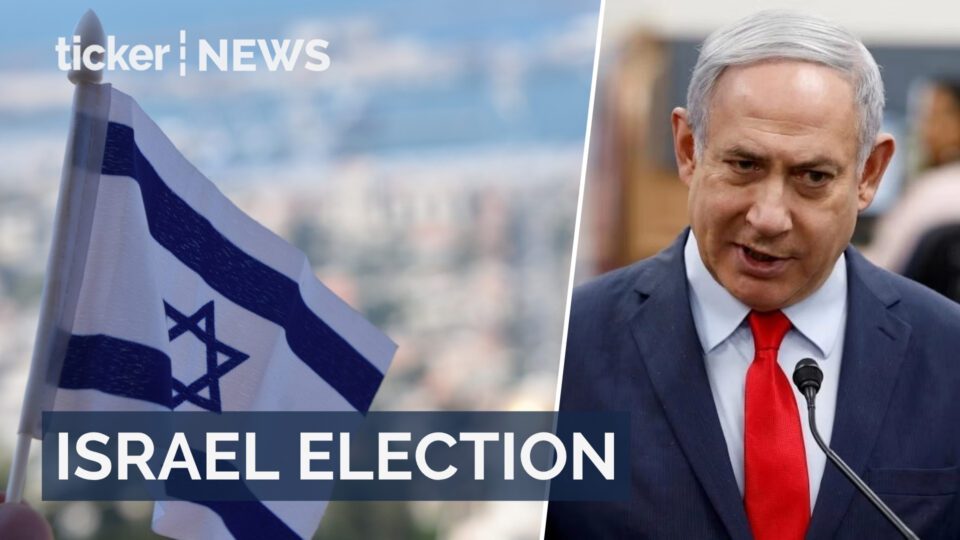
Israel’s political future is uncertain after exit polls projected a fragmented parliament, leaving Prime Minister Benjamin Netanyahu facing a potential loss of power while the opposition struggles to assemble a governing majority.
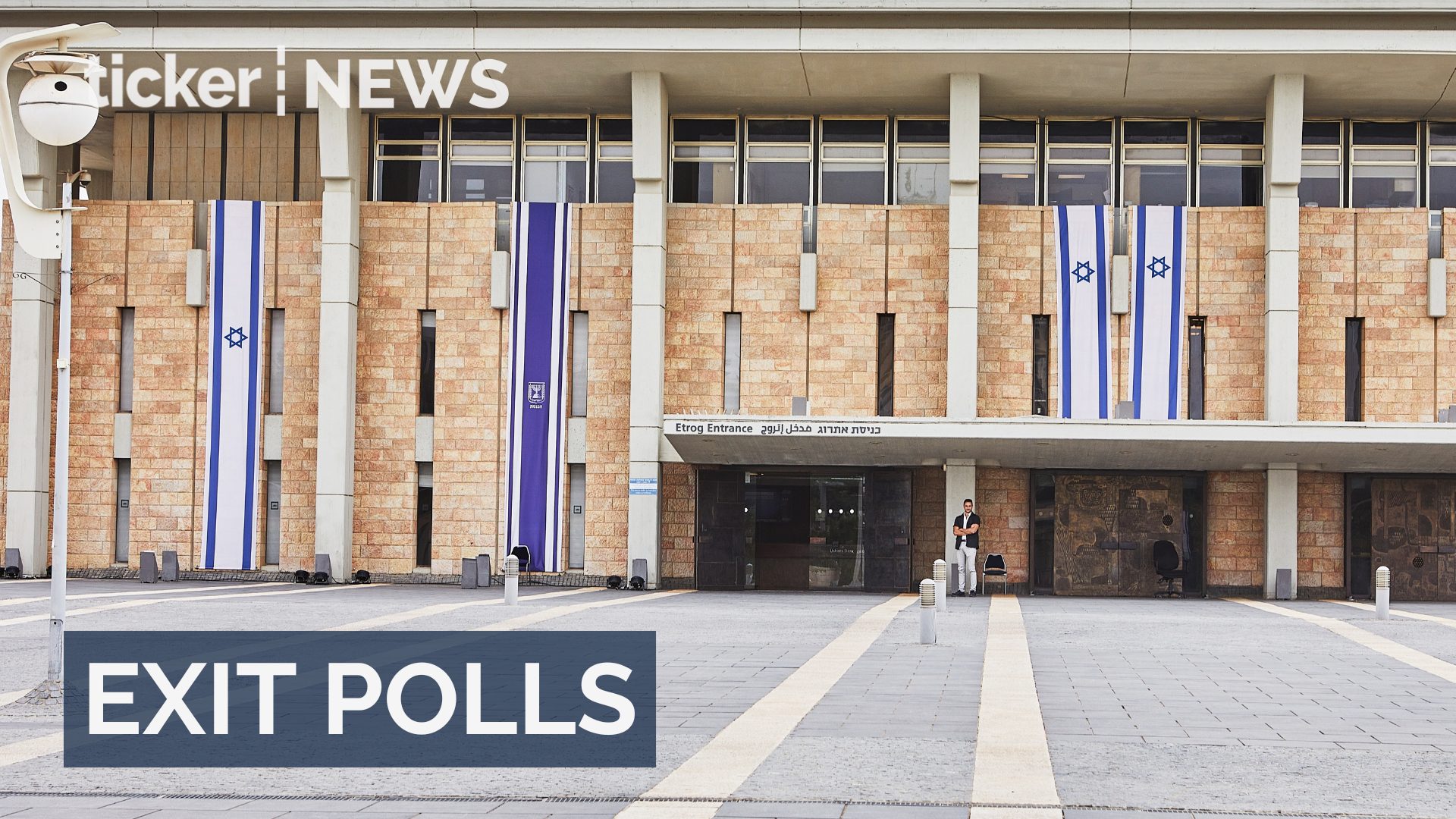
The October 27 election, the country’s first national vote since the Hamas attack on October 7, 2023, produced no clear mandate for either side.
Instead, the projections point to a prolonged battle over who can secure enough support to govern.
Former military chief Gadi Eisenkot emerged as a potential challenger to Netanyahu, with exit polls from Channels 11, 12 and 13 giving his opposition bloc an estimated 52 to 53 seats.
Netanyahu’s bloc was forecast to win around 50, while his Likud party remained the largest individual party with 24 to 25 seats.
The outcome marks a projected reversal for Netanyahu’s coalition, which previously controlled 68 of the Knesset’s 120 seats.
However, Channel 14, a pro-Netanyahu broadcaster, offered a different assessment, predicting his bloc could reach 60 seats.
The numbers favour the opposition, but not enough
The central challenge is arithmetic. A government needs the backing of at least 61 lawmakers, meaning neither bloc can govern comfortably on the projected numbers alone.
Arab parties, forecast to secure 17 to 18 seats, could become critical to the next government’s formation.
Their increased representation gives them greater potential influence over negotiations, but any arrangement involving Arab-led parties could create tensions within the broader opposition.
Yohanan Plesner of the Israel Democracy Institute suggested Eisenkot could explore a minority government if the projections hold.
Such an arrangement would offer a possible route around the absence of a clear majority, but its viability would depend on support from other parliamentary factions.
Rival camps dispute the result
Eisenkot interpreted the projections as evidence that public confidence in Netanyahu had weakened, urging the Prime Minister to recognise the result.
Opposition leader Yair Lapid also characterised the outcome as a major defeat for Netanyahu’s camp.
Foreign Minister Gideon Saar, however, cautioned against declaring victory before the final picture became clear.
Channel 14’s more optimistic forecast for Netanyahu further underscored the uncertainty surrounding the outcome.
Turnout reached 77.7%, the highest in more than 20 years, according to Israel’s Central Elections Committee.
That was approximately seven percentage points above the 2022 election, signalling strong voter participation despite the absence of an immediately decisive result.
The next phase will be determined less by the initial vote projections than by the negotiations that follow.
If neither side can build a coalition, Israel could face another election, extending political uncertainty at a time when the country continues to grapple with the consequences of the October 7 attacks.
This is a developing story, with the political situation remaining fluid and projections subject to change as final results emerge and coalition negotiations unfold.