

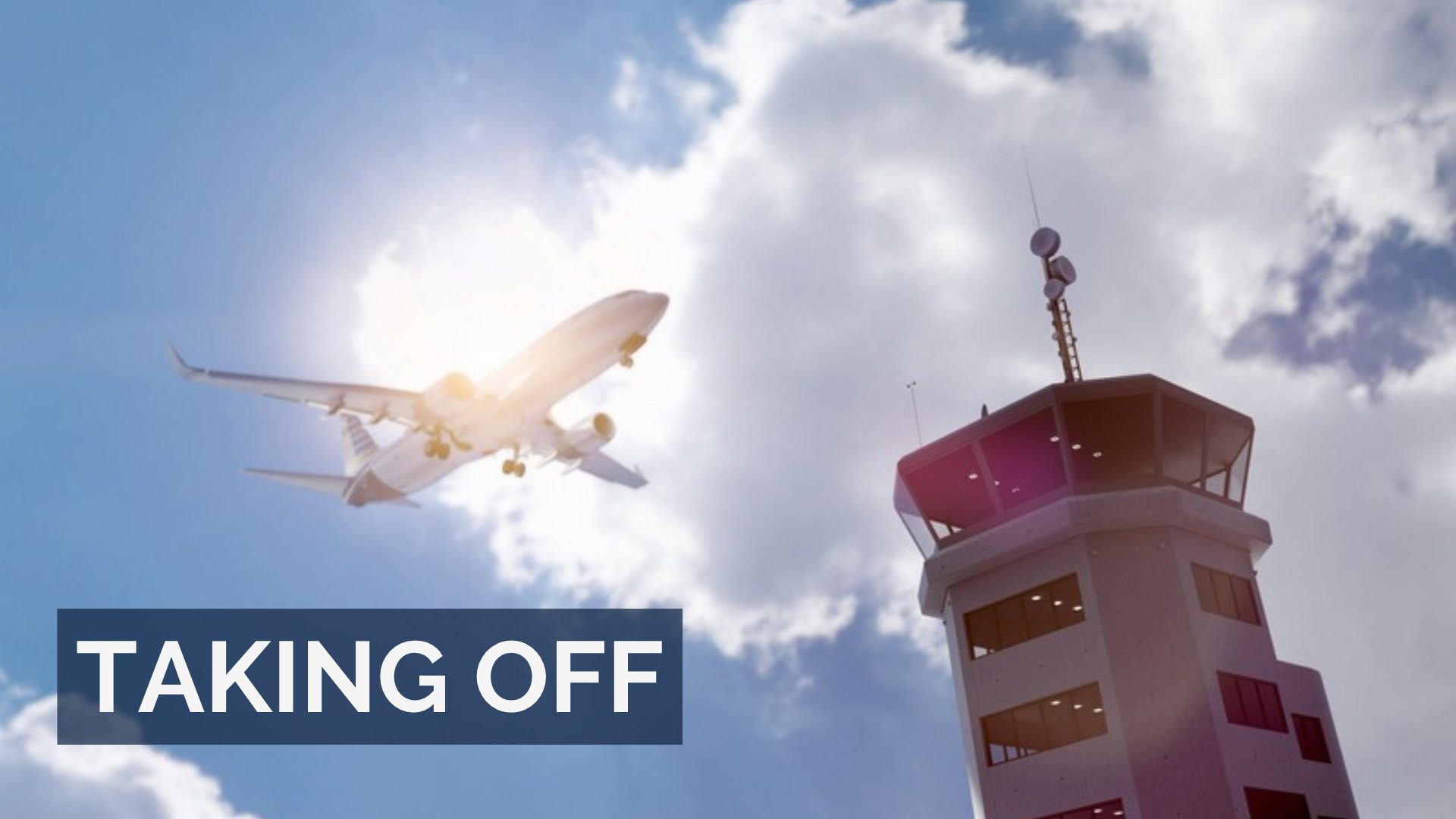
The Federal Aviation Administration has lifted a nationwide groundstop after intermittent air-traffic radio and radar disruptions, but officials and airlines said delays and cancellations will continue through the weekend.
What officials say
The FAA said flights would resume in a slow, controlled manner, with larger passenger planes prioritised over smaller aircraft. Officials said the FAA was responsible for the turmoil in the nation’s airspace it oversees.
Transportation Secretary Sean Duffy said the system failure stemmed from telecom routers that “actually got overloaded with data.” He called the air-traffic control system “incredibly old” and pressed Congress to fund a US$50 billion upgrade. Without an overhaul, Duffy warned “you will have more of these,” referring to earlier outages in the Northeast in September and around Newark Liberty International Airport last year.
Homeland Security Secretary Markwayne Mullin said there was no indication so far the outage resulted from a cyberattack. He said there was “no reason for the public to be afraid or scared for your loved ones.” Mullin attributed the outage to the FAA’s “putting patches into the system,” saying new equipment and technology were “overwhelming the older system.”
The scale of disruption
Airlines cancelled about 9,000 flights on Friday and had scrubbed more than 2,700 on Saturday, according to the airlines. Hundreds of flights turned back or diverted as airports filled with too many planes and not enough space to park.
The problem began late Friday afternoon when the FAA halted departures shortly before 4 p.m. Eastern, citing extraordinary circumstances and safety concerns. More than 3,500 planes were in the air when the order took effect. By early evening, telecom systems at some FAA air-traffic facilities were coming back online.
Friday was one of the worst days this year for cancellations, outranked by a winter storm in January that caused more than 11,600 cancellations in one day, according to aviation-data provider FlightAware. More than 30% of U.S. departing flights were cancelled Friday, Cirium said.
What caused the outage
The outage appeared related to a telecommunications network overseen by L3Harris Technologies, according to government and industry officials. Some industry officials briefed on the matter said there were timing issues affecting data synchronisation throughout the network, which handles radio frequencies and radar feeds used by controllers to talk to pilots and keep aircraft separated. An L3Harris spokeswoman did not immediately respond to a request for comment. The precise cause has not been confirmed.
Impact on travellers
United Airlines said it would work with customers to reach their destinations once the issue is resolved. American Airlines said: “It will be all hands on deck across American to get customers on their way as soon as possible.” Several airlines issued waivers to allow travellers to rebook without penalty.
At New York’s LaGuardia Airport, some travellers with cancelled flights waited in long lines to retrieve checked bags. At Newark, security lines were empty as people checked phones for updates.
Passenger stories underscored the disruption. Musician John Sturino said he would miss a percussion convention in Indianapolis and was seeking a refund at LaGuardia. Sara Garven, 66, stranded in Baltimore on a trip home to Wisconsin, said overhead announcements every 30 minutes offered no more detail than online updates.
What happens next
Officials said the reset will be slow as airlines reposition aircraft and crews. With departures halted earlier, airports ran out of space for arrivals, leaving planes and crews out of place. Duffy said, “It’s going to take us some time to unwind what’s happened,” and urged college football teams to contact the FAA to ensure charter flights can make weekend games.
This is the second time in recent years the FAA has halted all U.S. departures. In 2023, a nationwide groundstop followed an outage of the Notice to Airmen system, lasting two hours and contributing to more than 1,000 cancellations. Before that, the FAA last issued such an order after the Sept. 11, 2001, terrorist attacks.






















Comments
No comments yet. Start the conversation.