Nvidia CEO Jensen Huang under investigation for alleged affair with Chinese agent amid national security concerns and potential espionage links
Nvidia has reportedly appointed one of Wall Street’s most powerful law firms to investigate CEO Jensen Huang following allegations surrounding an extramarital affair with a Chinese executive accused of espionage.
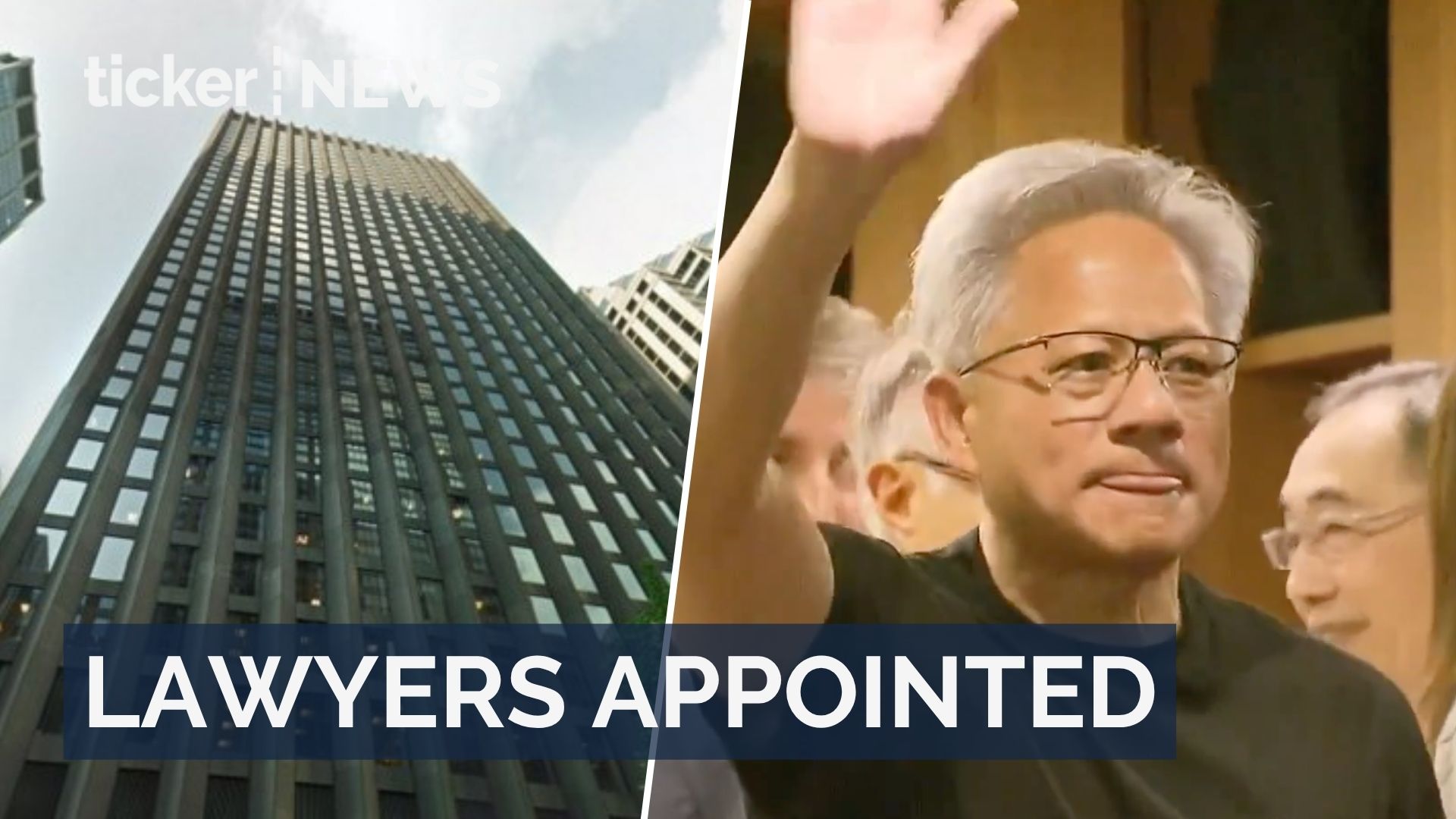
According to The New York Times, the semiconductor giant has hired Wachtell, Lipton, Rosen & Katz to conduct an independent investigation into the circumstances surrounding the relationship and any potential implications for the company.
The investigation will reportedly be led by Joon H. Kim, a former acting U.S. attorney for the Southern District of New York who previously helped investigate allegations involving former New York Governor Andrew Cuomo.
The appointment represents a significant escalation in the controversy surrounding Huang, placing Nvidia’s co-founder and longtime chief executive under extraordinary scrutiny from the company’s own board.

National security concerns
The investigation follows allegations that Huang had an affair with a Chinese executive identified in reports as Alice Huang, who has been accused of gathering information for Beijing.
The espionage allegations have not been independently established, and the executive’s alleged connections to Chinese intelligence remain disputed.
China’s Foreign Ministry has rejected the allegations, describing them as part of a smear campaign against the country.
Nvidia’s board has indicated that it currently has no reason to believe sensitive corporate information was disclosed or that U.S. national security was compromised.
Nevertheless, the company is reportedly examining available evidence to determine whether the relationship created potential security, governance or conflicts of interest concerns.

Huang has pledged his full cooperation with the investigation and has reportedly apologised to his family and colleagues.
Pressure on Nvidia’s leadership
The controversy comes at a particularly sensitive time for Nvidia, which has become one of the world’s most influential technology companies through its dominance of artificial intelligence computing.
Its advanced semiconductors are central to the global AI industry and have become a major focus of Washington’s efforts to restrict China’s access to sensitive American technology.
Any suggestion that individuals connected to Chinese intelligence could have gained access to Nvidia’s leadership is therefore likely to attract attention from regulators, lawmakers and national security officials.
President Donald Trump has reportedly expressed support for Huang amid the controversy, while reports of FBI interest have added another dimension to the unfolding allegations.
However, the appointment of Wachtell Lipton signals that Nvidia’s board is seeking a formal examination of the circumstances rather than relying solely on assurances from its chief executive.
What happens next?
The investigation is expected to examine the nature of Huang’s relationship, whether any confidential information was shared and whether the company’s internal security and governance procedures were followed.
It also raises questions about the responsibilities of senior technology executives whose companies operate at the intersection of commercial innovation and national security.
Huang remains Nvidia’s chief executive, and the company has not announced any leadership changes in connection with the allegations.
For Nvidia, the immediate challenge is managing the reputational fallout while maintaining confidence among investors, customers and U.S. policymakers.
The findings of the independent investigation could determine whether the controversy remains a personal matter or develops into a broader corporate governance and national security issue.