BoE raises rates amid global tightening, while RBA hints at possible end to hikes after reaching 4.85%
Several major central banks have raised interest rates recently, each at different stages of their tightening cycles.
Policymakers are cautious of inflation, with interest rate outlooks influenced by Middle East conflict developments and energy prices.
The Bank of England increased rates for the first time in over three years, while the Reserve Bank of Australia completed its fifth increase this year and may pause further hikes.
The Federal Reserve, European Central Bank, and Bank of Japan left rates unchanged but are open to future increases.
Central moves
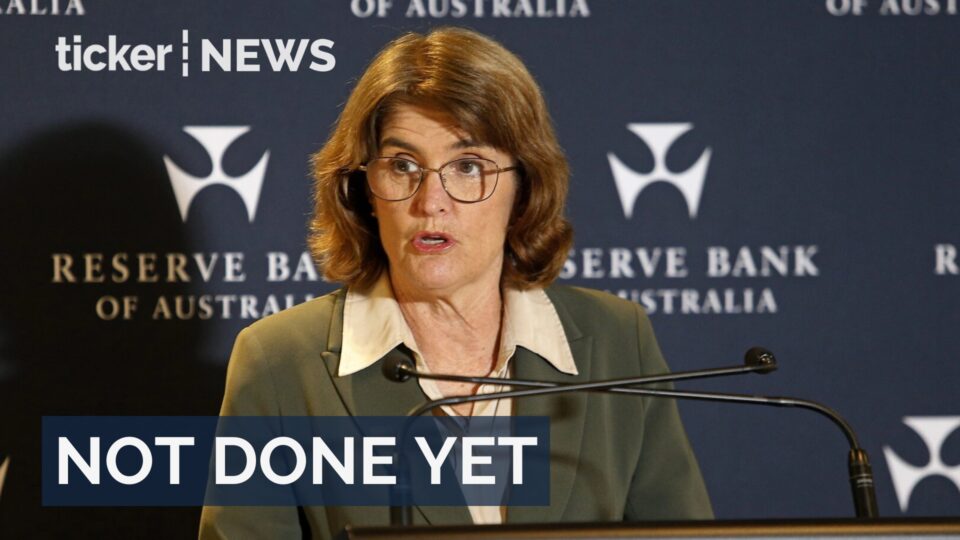
The Reserve Bank of Australia increased its cash rate to 4.85%, hinting at a potential end to its tightening phase as markets do not expect further hikes.
Norges Bank, Norway’s central bank, kept rates unchanged but suggests further increases could occur to manage inflation amidst uncertainty from the Middle East.
The Federal Reserve is maintaining current rates, with inflation concerns persisting and an 80% probability of a rate increase in December.
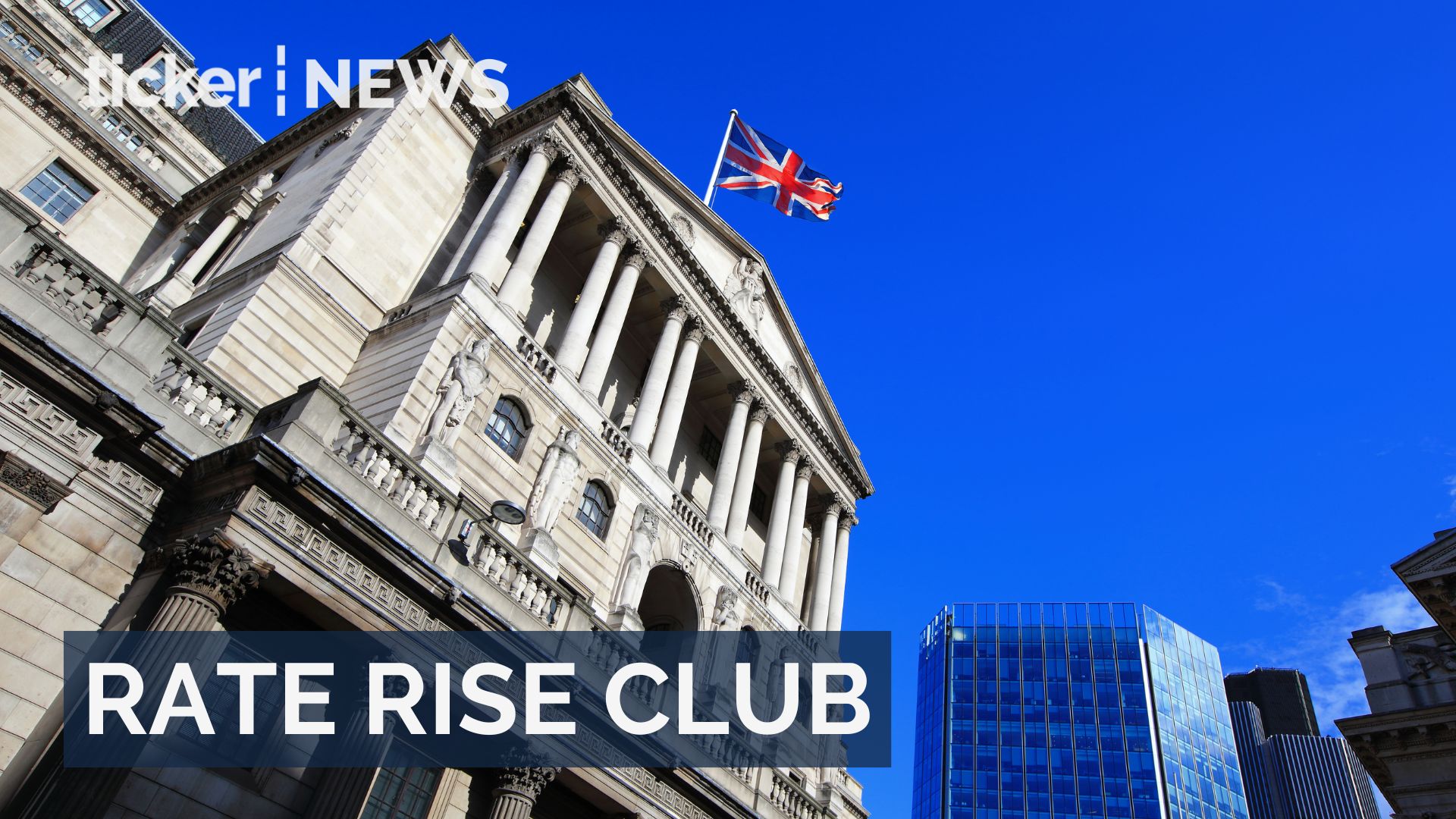
The Bank of England raised rates, forecasting another potential hike if the Middle East conflict persists, projecting British inflation to rise.
The Reserve Bank of New Zealand surprised by holding rates steady, with a high possibility of a rate rise in December.
The European Central Bank left rates unchanged, noting rising inflation risks and increased concerns over France’s debt.
The Bank of Canada increased its key rate, maintaining a slightly accommodative stance below its neutral level.
Sweden’s Riksbank raised its rate after inflation concerns, with potential increases expected next year.
The Bank of Japan kept rates steady but indicated vigilance over inflation pressures and possible future increases.
The Swiss National Bank is likely to maintain its 0% policy rate, keeping inflation under control despite geopolitical tensions increasing safe-haven demand.