
Boeing shares plunge 10% as 737 production targets miss and cash flow outlook worsens, hindering recovery efforts

While many aerospace firms face output challenges, Boeing is recovering from previous crises that harmed its reputation and increased its debt.
Investor sentiment may worsen as cash flow delays impact share performance, despite Boeing’s long-term outlook remaining positive due to high demand for jetliners and limited competition from Airbus.
Production outlook
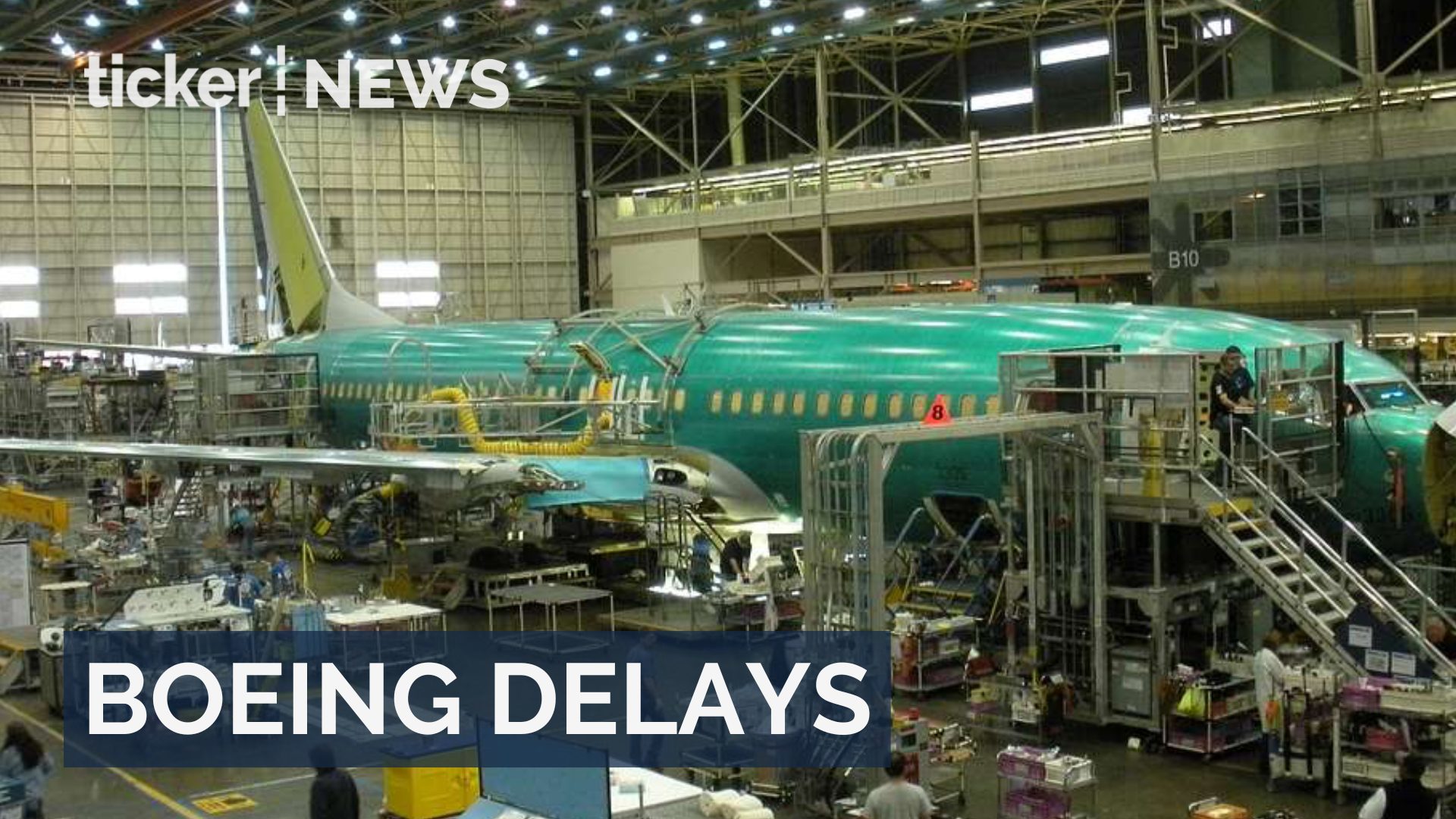
Boeing expects to achieve a 737 production rate of 47 jets per month by early 2027, a delay from earlier projections of this summer.
This setback means Boeing will not meet its goal of delivering 500 jets this year, according to CFO Jay Malave.
Wing production bottlenecks are a significant issue, although the company aims to increase output to 52 jets per month by the latter half of 2027.
To do this, Boeing must enhance fuselage production at its plant in Wichita, Kansas, which requires addressing existing inventory issues.

777 freighter and 767 production have been affected by a supplier dispute, but wing shipments have recently resumed.
The 777-9 is anticipated to receive regulatory certification by mid-2027.
Boeing’s commercial airplanes segment reported a revenue dip to $10.7 billion and an operating loss of $697 million, attributed to less profitable deliveries and increased production costs.
In contrast, the defense segment achieved nearly $500 million in earnings, supported by higher deliveries and improved operational performance.
Boeing Global Services also performed well, generating $1 billion in earnings.
As of the end of the quarter, Boeing’s net debt was $25.2 billion, slightly reduced from previous periods.