Apple began in a garage selling home computers. Today it is one of the world’s most valuable companies, built on the iPhone and the services that run on it. Here’s how it makes its money.
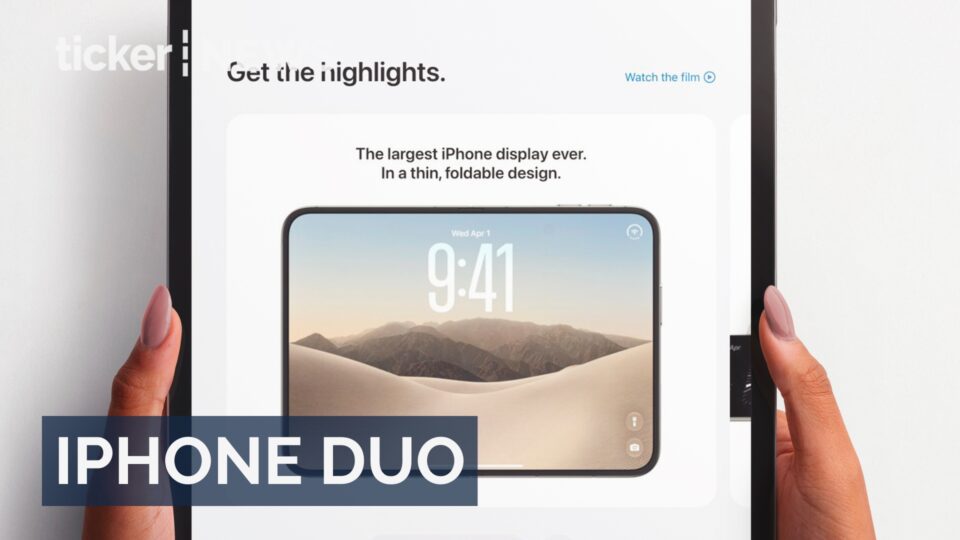
Apple designs and sells phones, computers, tablets, watches and headphones, along with the software and services that run on them.
It was founded in 1976 by Steve Jobs, Steve Wozniak and Ronald Wayne. The launch of the iPhone in 2007 transformed it from a computer maker into the biggest consumer technology company in the world.
In its 2025 financial year, which ended in September 2025, Apple reported revenue of US$416.2 billion and a net profit of about US$112 billion.
The iPhone, and everything else
The iPhone is the heart of the business. It brought in US$209.6 billion in the 2025 financial year, about half of Apple’s total revenue. Apple releases new models every September, and sales are heavily concentrated in the December quarter, when holiday shopping peaks.
The rest of its hardware, including the Mac, iPad, Apple Watch, AirPods and accessories, adds tens of billions more.
Services are Apple’s fastest-growing business. They brought in US$109.2 billion in the 2025 financial year, more than a quarter of total revenue. That includes the cut Apple takes from apps and in-app purchases sold through its App Store, subscriptions such as iCloud storage, Apple Music, Apple TV and Apple One, AppleCare warranties and Apple Pay.
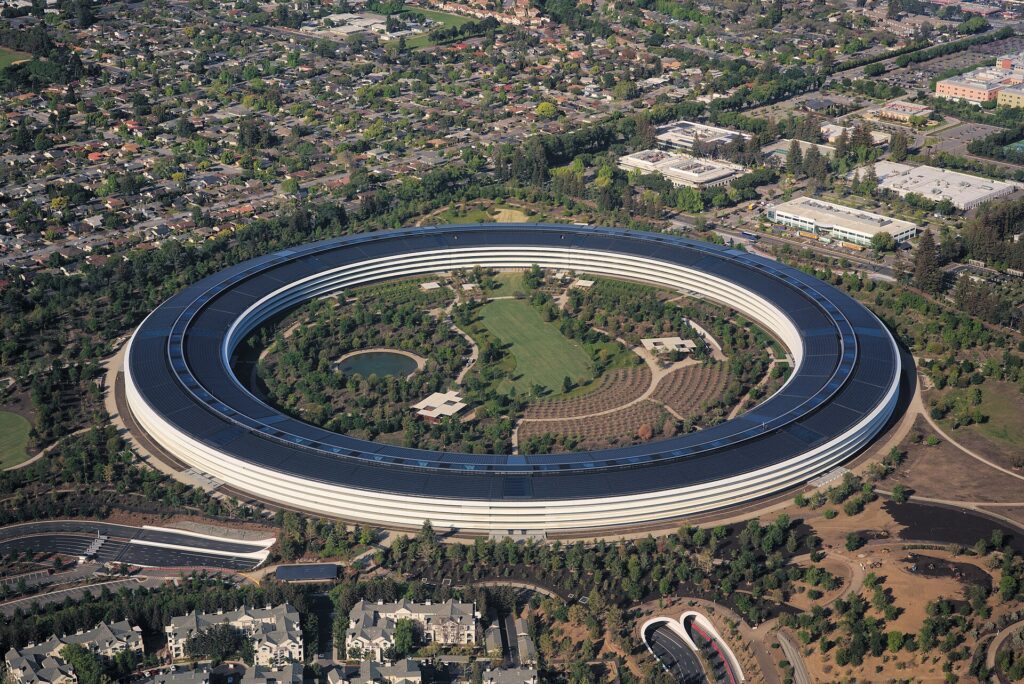
It also includes payments from Google, estimated at around US$20 billion a year, to be the default search engine in Apple’s Safari browser.
Services are far more profitable than hardware, because once the software is built, each extra subscription costs little to deliver.
The ecosystem, and the risks
Apple’s real strength is its ecosystem. Its devices, software and services are designed to work together, which makes switching to rivals harder and keeps customers buying new Apple products. There are more than two billion active Apple devices worldwide.
Apple designs its own chips but relies on manufacturers, mainly in China, India and Vietnam, to build its devices. That leaves it exposed to trade tensions and tariffs, and it has been shifting more production to India.
Regulators in the U.S., Europe and elsewhere are challenging App Store rules and the Google search deal, which could cut into its services income. Apple has also been criticised for moving more slowly than rivals in artificial intelligence.
Long-time chief executive Tim Cook handed over to John Ternus, who previously led its hardware engineering, on 1 September 2026. Cook became executive chairman.