U.S. expands naval blockade to seize Iran-linked ships globally amid rising tensions and expiring ceasefire
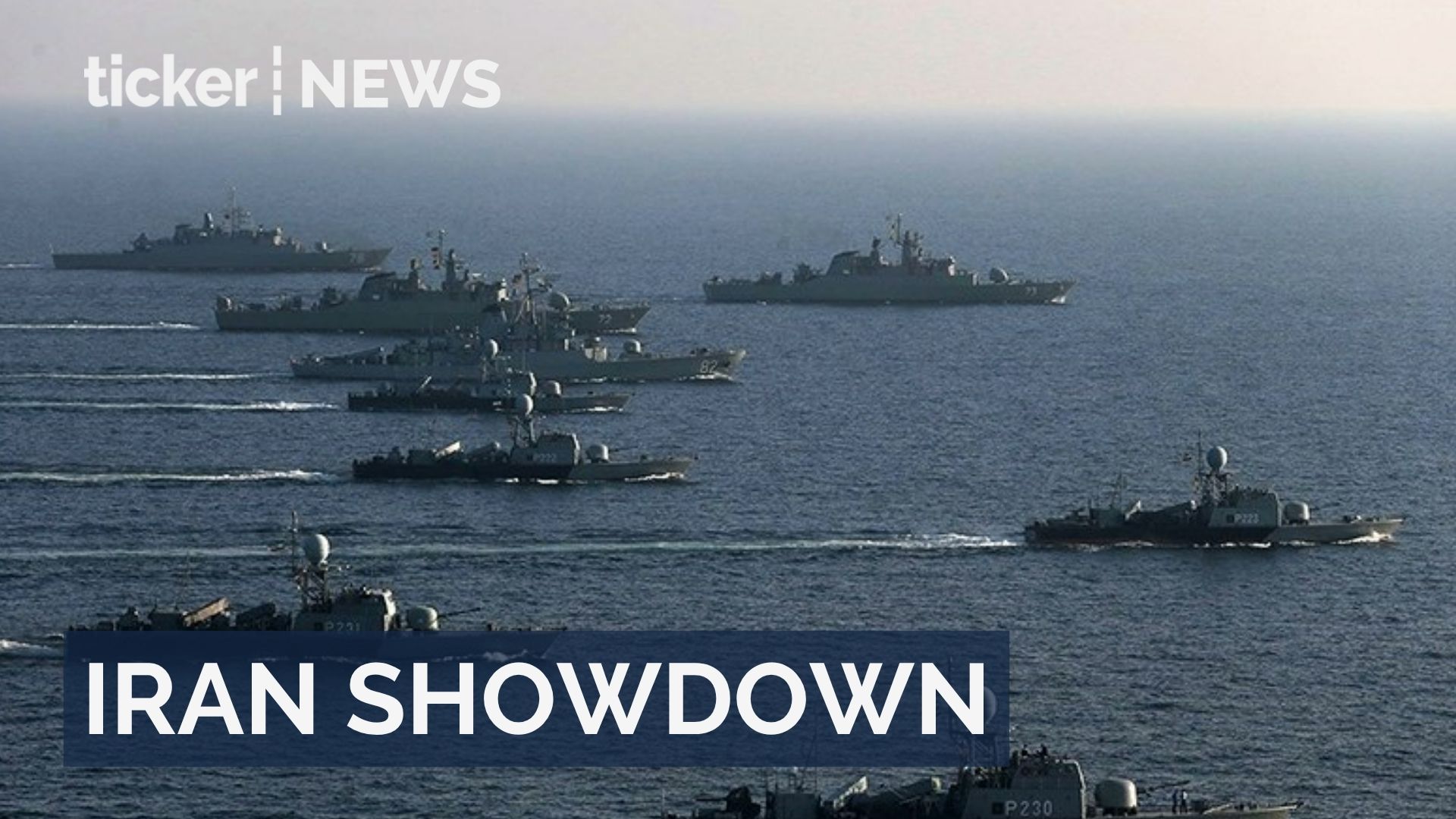
General Dan Caine, chairman of the Joint Chiefs of Staff, stated U.S. forces will pursue Iranian-flagged vessels or those aiding Iran.
The operation is supported by over 10,000 sailors, Marines, and airmen, with various warships and aircraft involved.
At least 13 vessels have turned back upon receiving warnings since the blockade’s initiation on April 13.
Despite no boardings occurring yet, military actions are authorized if necessary.
The blockade resulted from a breakdown in peace negotiations following the U.S.-Israeli air campaign against Iran earlier this year.
Defense Secretary Pete Hegseth indicated that about 10% of U.S. naval strength is devoted to the blockade.
Treasury Secretary Scott Bessent labeled the operation as a financial blockade, correlating to recent military actions.
Iran had closed the Strait of Hormuz in response to U.S. operations but announced its reopening for commercial traffic during the ceasefire.
U.S. actions focus on Iranian ports while enforcing measures in international waters.
The Pentagon has deployed additional troops to bolster the pressure strategy in the region.
Pakistan is seeking to mediate renewed negotiations as the ceasefire period nears its end.
China condemned the U.S. sanctions threat against Iranian oil as illegal, highlighting increasing diplomatic tensions.