
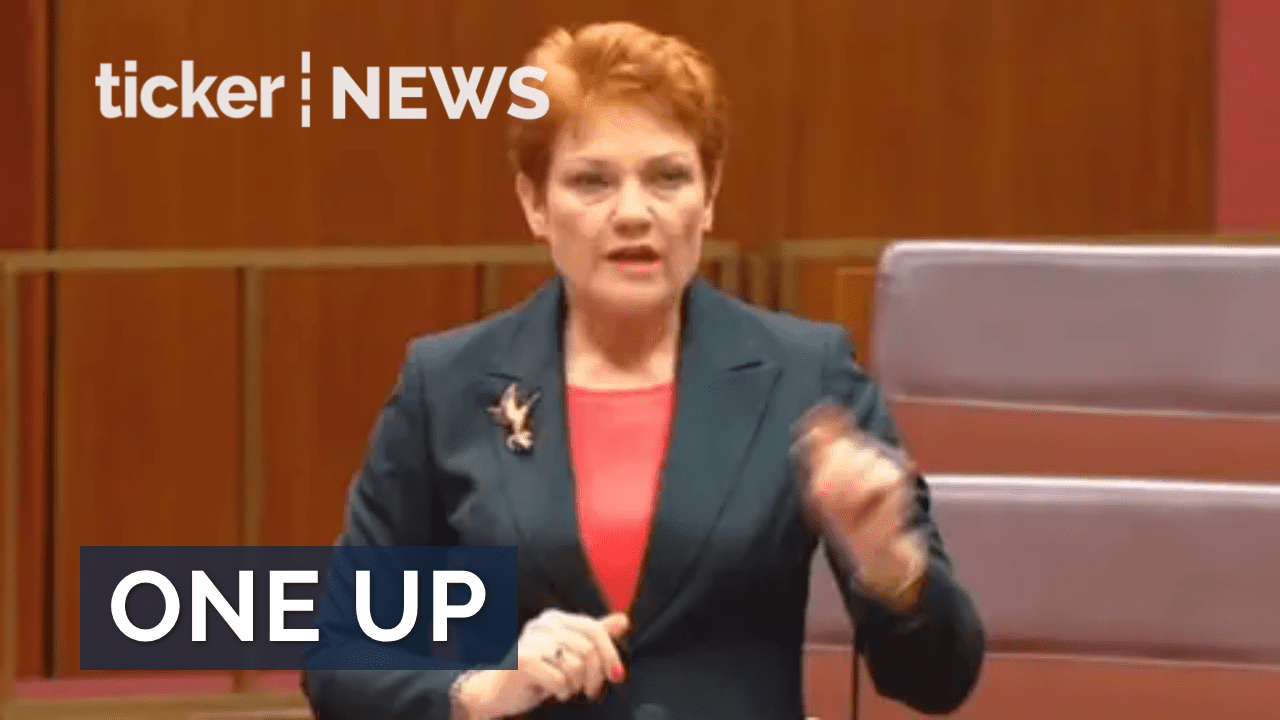
One Nation’s surge to 29% support signals shifting voter sentiments and challenges for Australia’s major political parties
Leading opinion polls indicate One Nation’s primary vote share has reached 29 per cent, nearly rivaling the Labor Party, which governs Australia under Prime Minister Anthony Albanese.
It’s forced the Liberal party to play catch up as traditional conservative voters shift further right.
One Nation’s support has grown from 6 per cent during the last federal election to 29 per cent recently, fueled by concerns over immigration.
Voters shifting to One Nation predominantly come from a Liberal Party background, often those facing financial stress.
Younger Australians, particularly Gen Z, are increasingly drawn to parties like the Greens expressing their discontent with major political parties.
But there is now a feelings of hopelessness among younger Australians due to unsustainable housing unaffordability and growing student debt.
Queensland is poised for a notable performance by One Nation in the next federal election, according to Samaras.
Data shows One Nation may win a significant number of seats, especially as economic concerns grow.
Urban demographics differ significantly, impacting voter behaviour.
For the Liberal party, the task is difficult. Angus Taylor’s faces the challenge of balancing conservative messaging without alienating diverse voter bases. It’s hard to win government without their support.
It’s a double edged sword, with some conservatives are framing the opposition as unpatriotic.
But Anthony Albanese is also facing his own challenges from One Nation. Their vocal frustration is seeping into the mainstream, and Labor voters are starting to notice.
The upcoming Federal budget provides the government with the chance to reset its economic policies.
Labor’s strategy includes economic relief to address grievances.
One Nation has evolved, particularly under James Ashby’s leadership, moving towards a more professional operation.