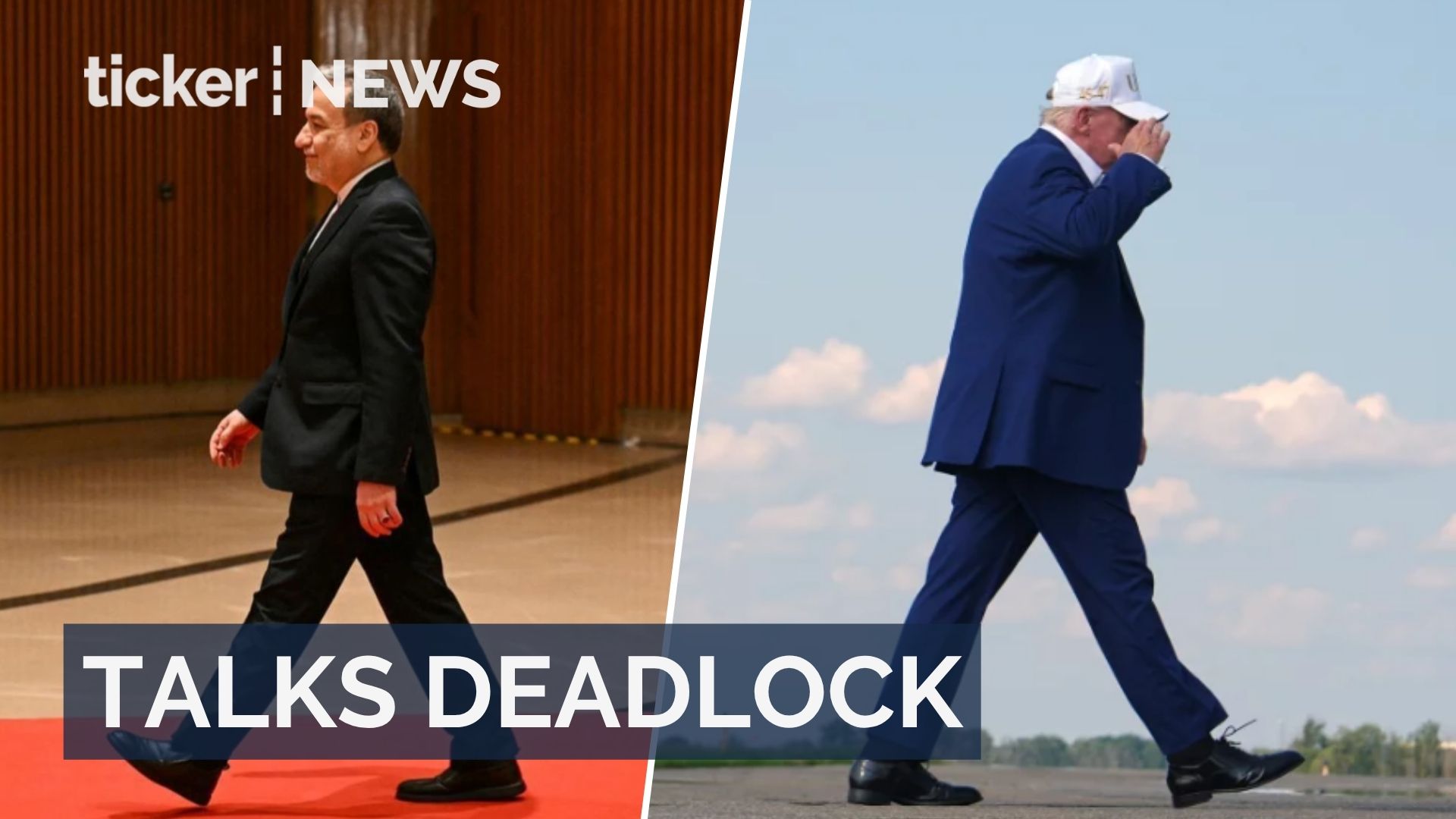
Iran and U.S. deadlock on interim peace deal amid escalating tensions and attacks in the Gulf
Peace talks stalled
The agreement made in June aimed for a ceasefire but has quickly deteriorated.
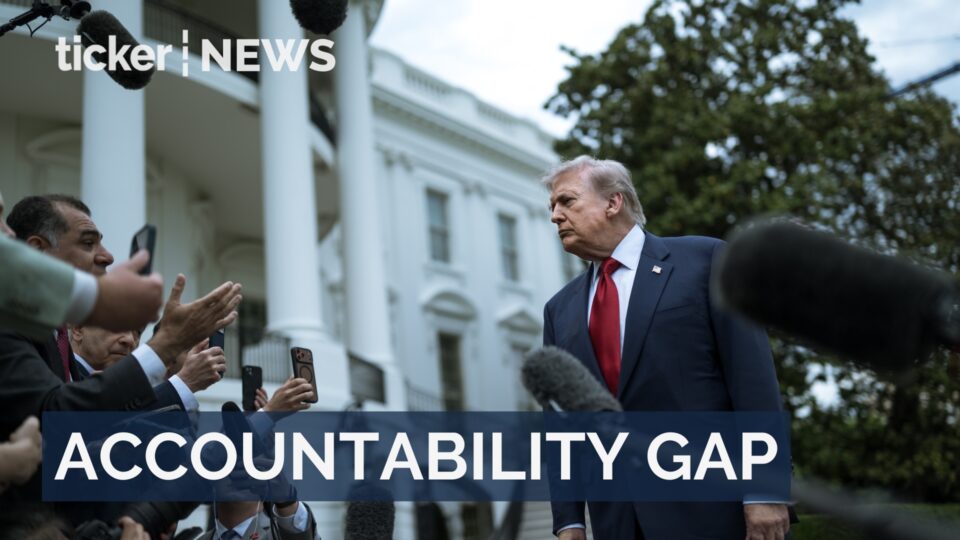
U.S. President Donald Trump accused Iran of failing to uphold the terms of the deal.
Iran claims the U.S. has not followed through on its commitments, such as lifting the blockade on ports.
The Iranian source stated discussions continue through mediators for the U.S. to return to the interim agreement.
No progress has been made on this front, according to the source.
Trump asserted that the U.S. maintains “total control” over the vital Strait of Hormuz, which remains closed.
Iran’s Persian Gulf Strait Authority confirmed the route will not reopen until its conditions are accepted.
The conflict has resulted in thousands of deaths, primarily in Iran and Lebanon, since February.
Iran has targeted U.S. assets in several countries during the ongoing conflict.
The June ceasefire established a 60-day period for negotiations, extendable by consent.
Iran rejected reports of an extension for this period, stating there was no initial agreement to extend.
🚨 NOW: President Trump just dropped this line to the press after deplaning Air Force One
"Iran is going fine, going just absolutely fine. We totally control the Strait of Hormuz! We have control over it. Nobody else, only us. Our Navy is unbelievable. And things are going great… pic.twitter.com/meyYN65U4j
— Eric Daugherty (@EricLDaugh) August 12, 2026
Shipping incidents reported
The Strait of Hormuz is crucial, accounting for a significant portion of global oil supply.
Brent crude prices have escalated, reflecting concerns about Middle Eastern oil flow disruptions.
Oil prices rose amidst recent military incidents involving U.S. Navy helicopters.
Current Brent crude futures are around $88 a barrel, while U.S. West Texas Intermediate is about $83.