
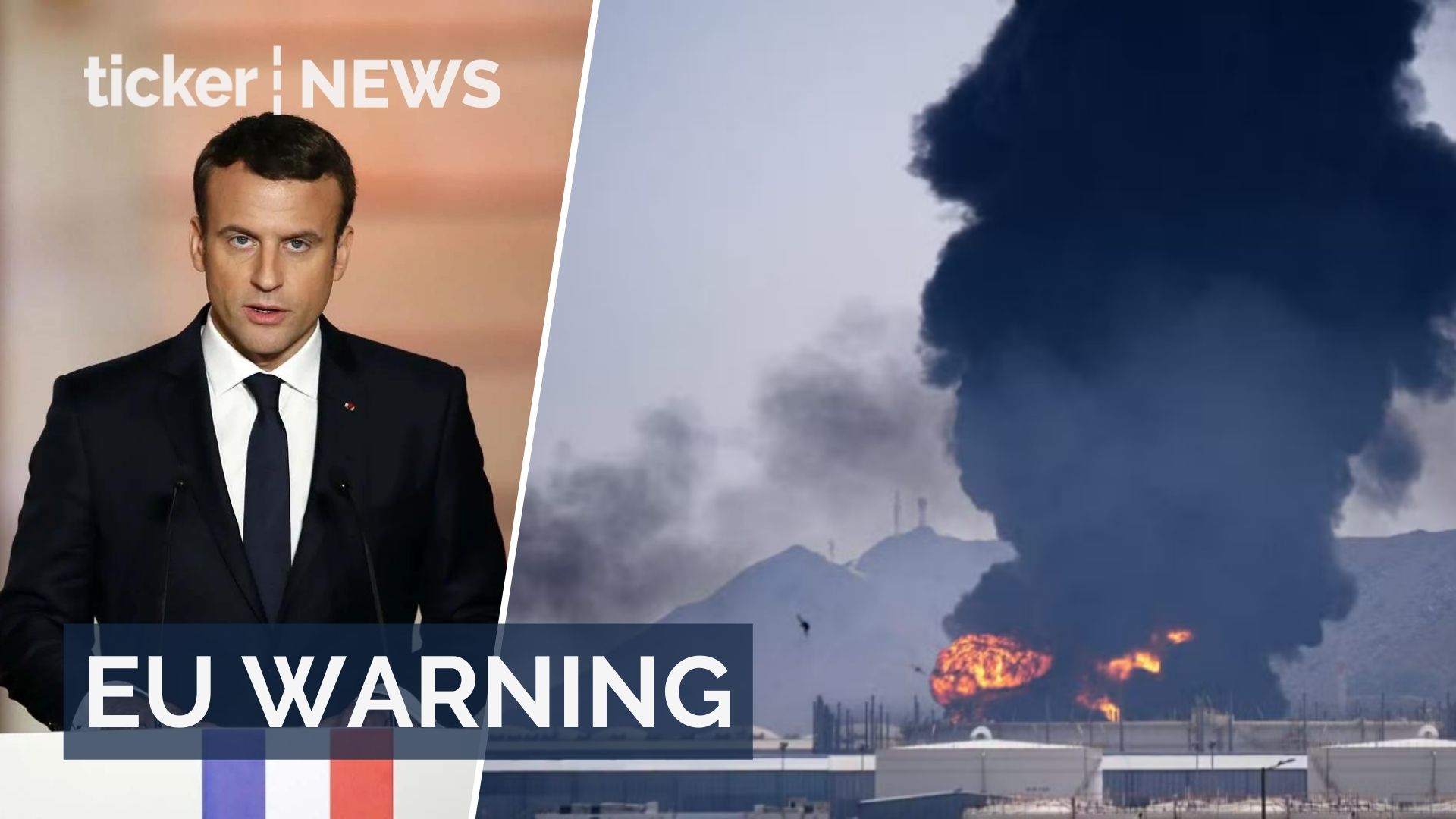
Germany and France caution against Iran war’s escalation, urging de-escalation and warning of destabilisation risks for the Middle East
Iran conflict insights
Wadephul highlighted the negative outcomes of Western military intervention in Iraq and Libya.
He warned that chaos in Iran could lead to civil war and mass displacement, underlining the risks of a governmental collapse.
The ongoing U.S.-Israeli military campaign in Iran, which began on February 28, has led to increased civilian casualties and regional tensions.
Iran’s response has included strikes that have impacted Gulf states and obstructed the Strait of Hormuz, causing oil prices to rise.
Following a joint press briefing in Berlin, Wadephul and Barrot called for de-escalation and an end to military actions.
Wadephul stressed the need for clarity from the U.S. and Israel regarding their military goals so diplomatic discussions could proceed.
Barrot echoed these sentiments, pointing to the dangers of continued military escalation and urging Iran to consider changing its stance.
Chancellor Friedrich Merz expressed the view that NATO should not be involved and that there was no strategic plan for the conflict’s resolution.
European response evolving
The internal EU consensus regarding restraint is weakening as member states deploy military assets to the eastern Mediterranean.
France has mobilised the Charles de Gaulle aircraft carrier to reinforce its military presence in the region.
Analysts suggest that the lack of a clear path to ending the ongoing conflict complicates the situation further.
The dynamics of international relations surrounding the conflict reflect heightened concerns throughout Europe.






















Comments
No comments yet. Start the conversation.