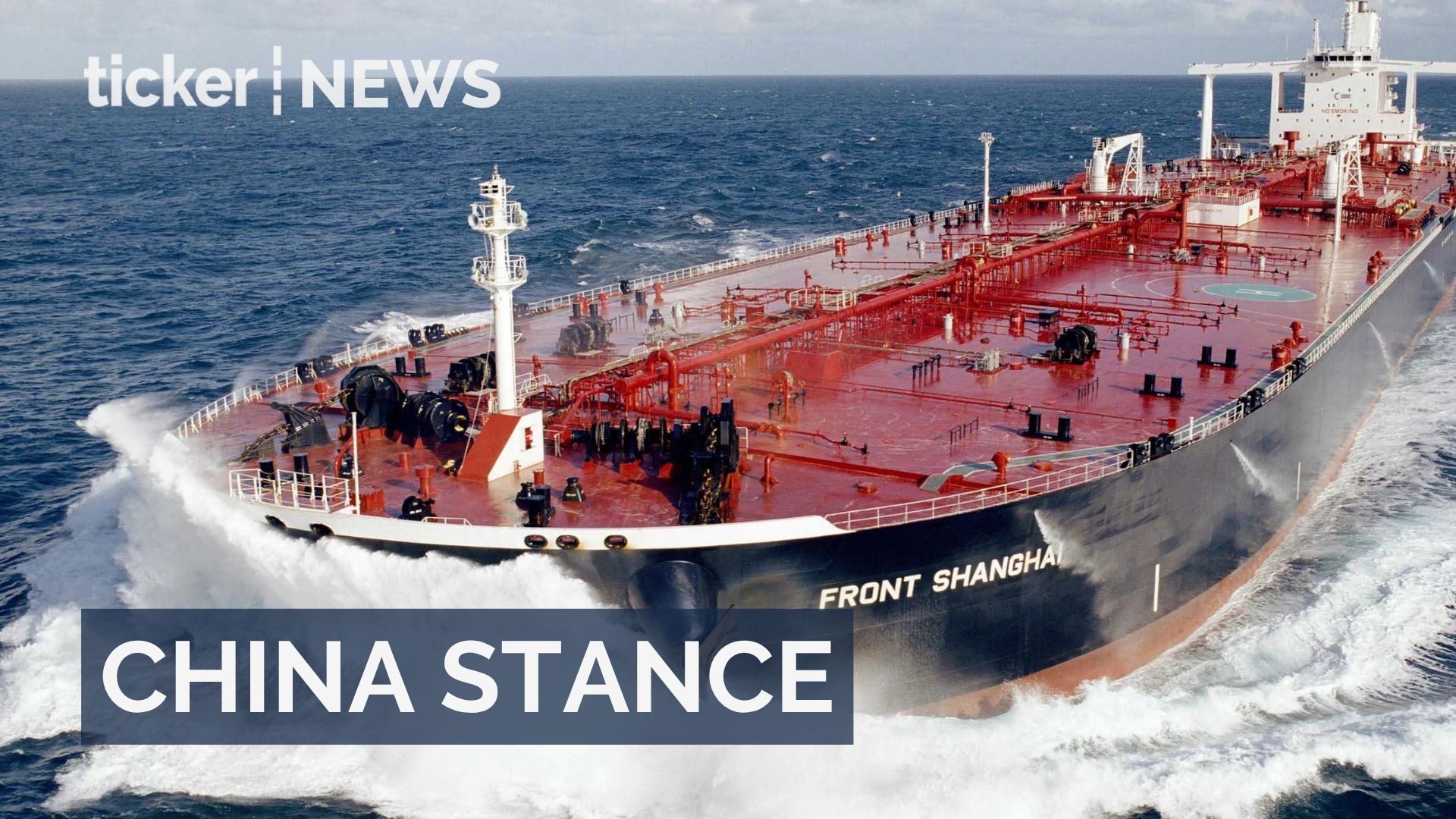
Beijing condemns U.S. sanctions threat over Iranian oil purchases amid escalating tensions and enforced naval blockade

The United States has intensified its economic measures against Iran, implementing a naval blockade and issuing warnings to China regarding its involvement in Iranian oil transactions.
US Central Command confirmed the blockade enforcement within 36 hours, asserting that it has effectively stopped maritime trade with Iran.

Beijing responds
The operation involves over 10,000 military personnel and several naval assets in the Gulf of Oman and Arabian Sea.
In the initial phase, six merchant ships were intercepted and ordered to return to Iranian ports.
U.S. Treasury Secretary Scott Bessent: “We believe that with this blockade, there will be a pause in Chinese buying of Iranian oil.” pic.twitter.com/hl4WfqdNob
— Open Source Intel (@Osint613) April 15, 2026
US Treasury Secretary Scott Bessent indicated that further sanctions could target countries and financial institutions linked to Iranian oil revenues.
Warnings were sent to two Chinese banks concerning compliance with US restrictions on Iranian transactions.
China accounts for over 90 percent of Iran’s oil exports, a critical component of its energy strategy.
Bessent predicted that the blockade would compel China to reduce its oil imports from Iran.
The US intends to discontinue a temporary waiver permitting limited Iranian oil purchases, however China has dismissed the US sanctions threat as unlawful amid ongoing diplomatic tensions.
First crude carrier heads west through Strait of Hormuz since the US blockade
The Malta-flagged VLCC Agios Fanourios I has become the first crude carrier to head west through the Strait of Hormuz since the US blockade on Iran’s ports came into force. According to #MarineTraffic… pic.twitter.com/K8syfSZtFL
— MarineTraffic (@MarineTraffic) April 15, 2026
The Iranian government views the blockade as a breach of the current ceasefire conditions.
Iranian oil crisis
Pakistani mediators are working to extend the ceasefire as the situation evolves.
The US stance signals broader geopolitical tensions affecting international trade dynamics.