
Albanese’s social media reform threatens right-wing parties, aims to enhance user choice amid claims of political censorship

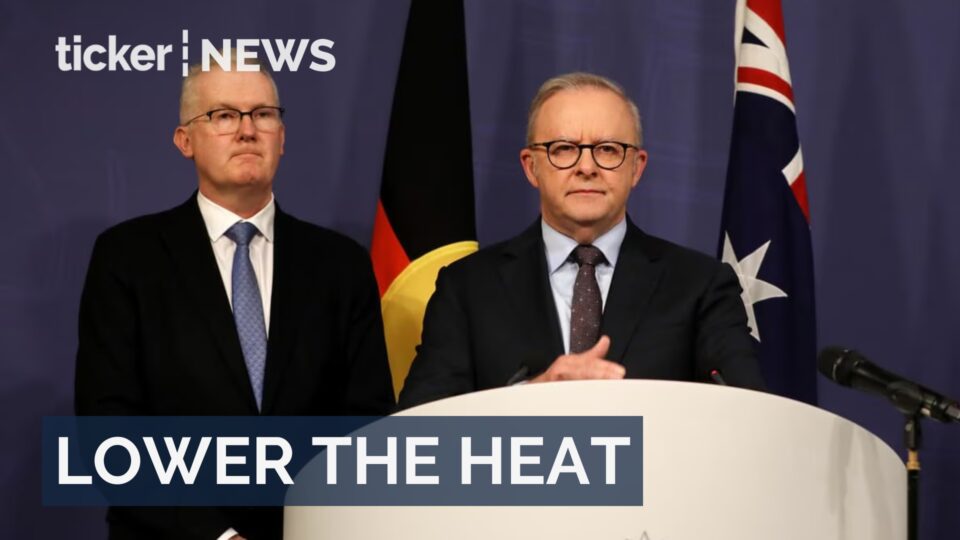
The Albanese government intends to allow Australians to opt out of social media algorithms, which experts warn may hinder right-wing parties like One Nation. Critics, including Jacinta Nampijinpa Price and Barnaby Joyce, label the initiative as politically motivated censorship, while Prime Minister Anthony Albanese claims it enhances user choice.
Algorithm impact
Labor’s proposed Digital Duty of Care laws would let adult users select between algorithm-driven feeds or content from followed accounts. Albanese emphasised that the reforms are not about censorship but about user control over content.
He reaffirmed the need for accountability from tech companies, stating that penalties could exceed $100 million for noncompliance.
The government aims to enact the law by year’s end, likely with Greens support, despite anticipated debates over free speech limitations.
Joyce highlighted that Labor sees engagement with right-wing politics as a threat, and the algorithm’s impact on visibility may influence political strategies.
A study in the journal Nature indicated social media platform X’s algorithm favours conservative posts while suppressing traditional media.
Timothy Graham from Queensland University of Technology noted that reduced visibility for right-wing content could significantly alter political engagement.
Ed Coper, a political strategist, anticipated the changes would limit One Nation’s reach but disagreed with claims of opportunism from the government.
David Pocock pointed out that algorithms rewarding outrage pose a threat to democracy, highlighting concerns about the potential effects of these reforms on user experience.