

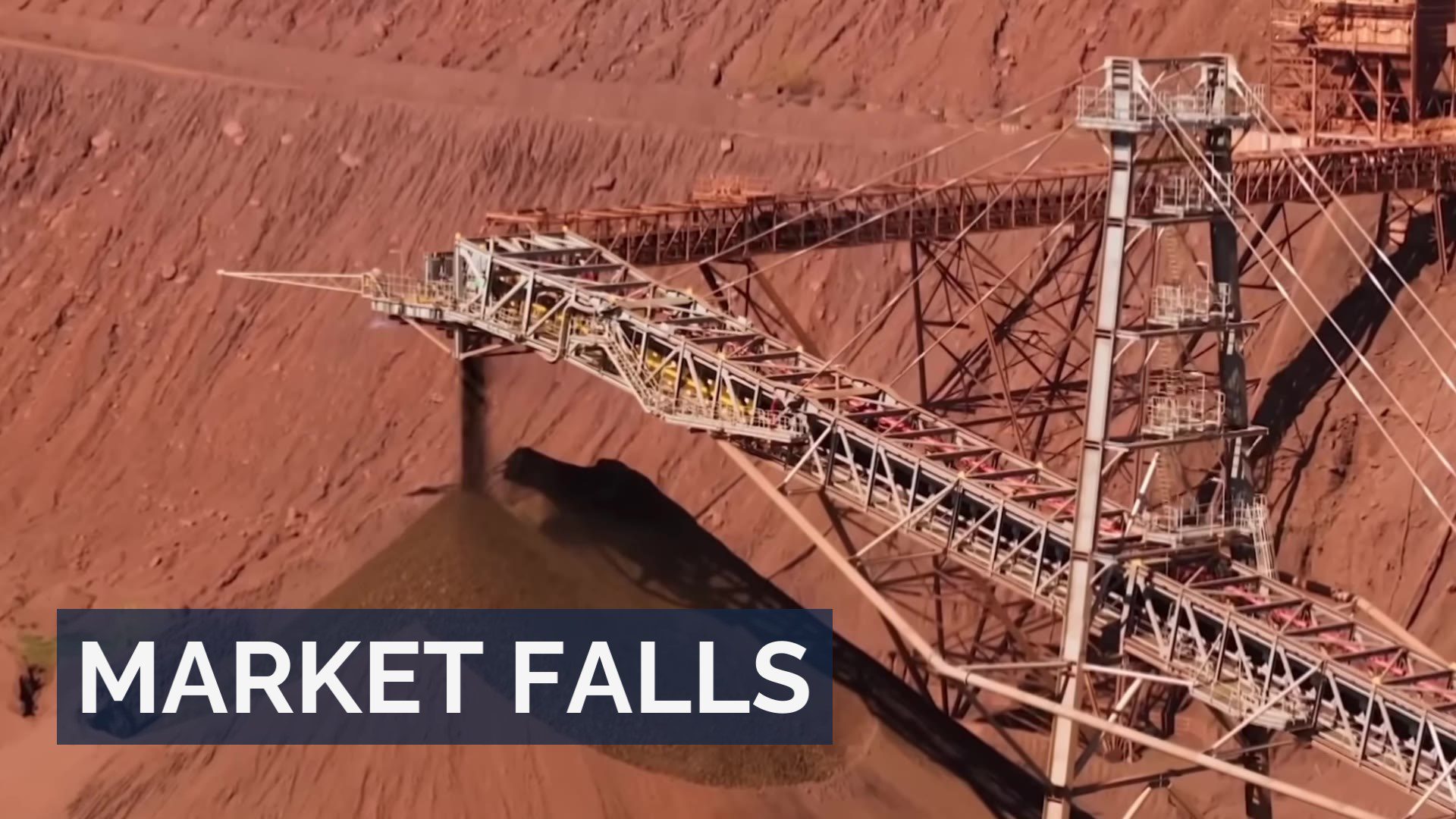
Australian shares have fallen sharply in the past week, dropping around 5.4% and wiping out recent gains. According to reporting from Livewire Markets, the ASX 200 returned to levels not seen since September, following a weak global lead and declines in metal prices. The biggest fallers were resource, IT, consumer discretionary, and financial stocks.
The local market performance came as global shares retreated – U.S. shares fell 5.1%, with markets in Europe, Japan, and China also weaker. Investor sentiment soured after former Nvidia CEO Jensen Huang’s departure, persistent concerns about an AI share bubble, and renewed bets on U.S. rate hikes, even as Nvidia delivered stronger than expected earnings and Anthropic notched a record IPO. Metal, gold, and Bitcoin prices all dropped last week as investors moved away from risk.
Bitcoin now risks returning to levels seen during the recent “crypto winter,” according to Livewire Markets. The Australian dollar also weakened, dropping to late-2023 levels on a combination of lower metal prices and expectations for earlier RBA rate cuts. Bond yields fell in most major markets on safe-haven buying and changing rate outlooks, although European yields ticked up slightly.
Recession fears and jobs data
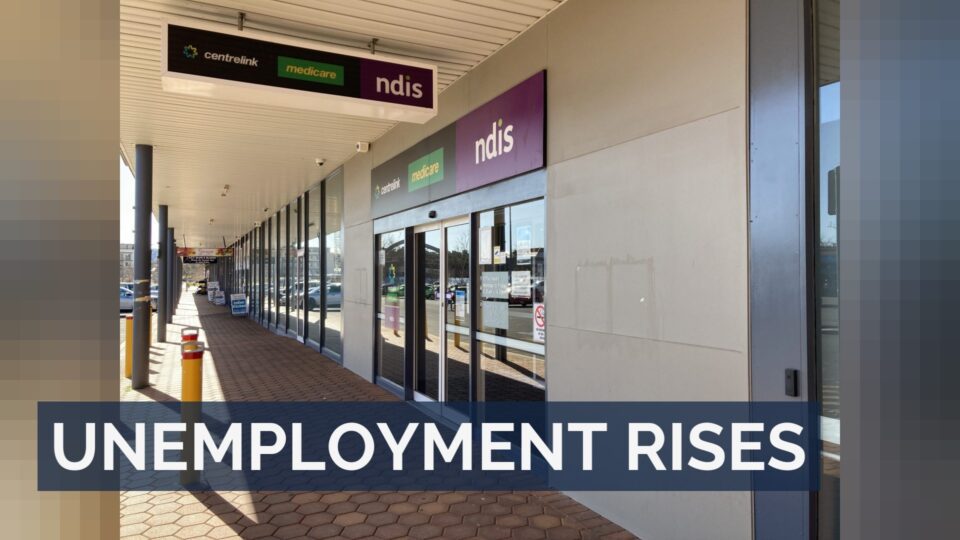
This week’s 44,000 drop in employment and a rise in the unemployment rate to 4.9%—its highest point since 2021—has raised alarms. The fall in job numbers, hours worked, and a lower employment-to-population ratio all signal a weaker labour market. Some statistical quirks, such as school holidays and changes to how the ABS collects data, might be exaggerating the weakness, but the underlying trend appears upward. Ongoing company layoffs, including from retailer General Pants, have added to the sense of economic gloom.
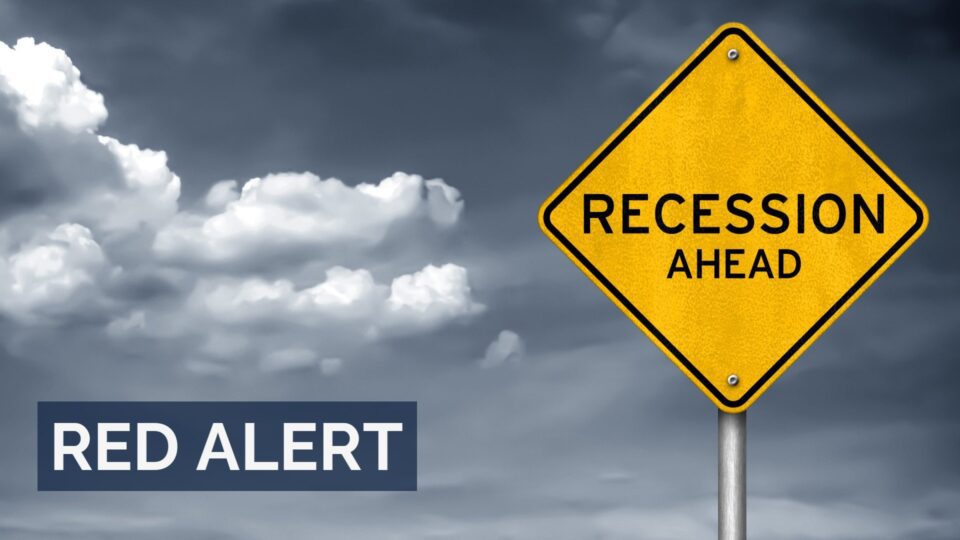
Despite these challenges, Livewire Markets notes that a recession is not yet their base case. The outlook is buoyed by strong business investment, particularly from the AI-driven data centre construction boom, and continued export strength. Nevertheless, rate hikes are starting to create debt servicing problems, putting pressure on home prices and consumer spending. The risk of recession remains elevated, particularly if unemployment continues to rise and home building stalls further.
On the policy side, Treasurer Jim Chalmers has promised a substantial savings package in the upcoming budget update, aiming for a real reduction in government spending rather than reallocating expenditures. The RBA is expected to hold off on rate cuts until there is clearer evidence of falling inflation. Money markets have shifted quickly, with expectations of a rate cut as early as August next year. Wage growth has picked up, but with productivity stagnant, there are concerns this could keep inflation above target unless the economy slows further.
Other factors weighing on markets include ongoing U.S. rate hikes, fears of tighter regulation and higher taxes following the U.S. midterms, and concerns about the resilience of the AI sector. However, ongoing strength in business investment and global growth are seen as positive offsets for now.
The outlook for Australian home prices remains weak, with forecast falls of up to 15% as RBA hikes weigh and confidence slumps. Meanwhile, the Australian dollar may see further short-term softness, but could strengthen in 12 months if metal prices rebound. Overall, Livewire Markets reports that broad uncertainties—ranging from financial market volatility to softening jobs data—are clouding Australia’s economic outlook now more than at any point in the last year.





















Comments
No comments yet. Start the conversation.