

Nvidia rejects calls to reinstate ex-CEO Jensen Huang amid SEC probe and concerns over China ties
Nvidia is standing by its leadership decision despite calls for Jensen Huang to return, as a reported US regulatory investigation adds another complication for the technology giant.
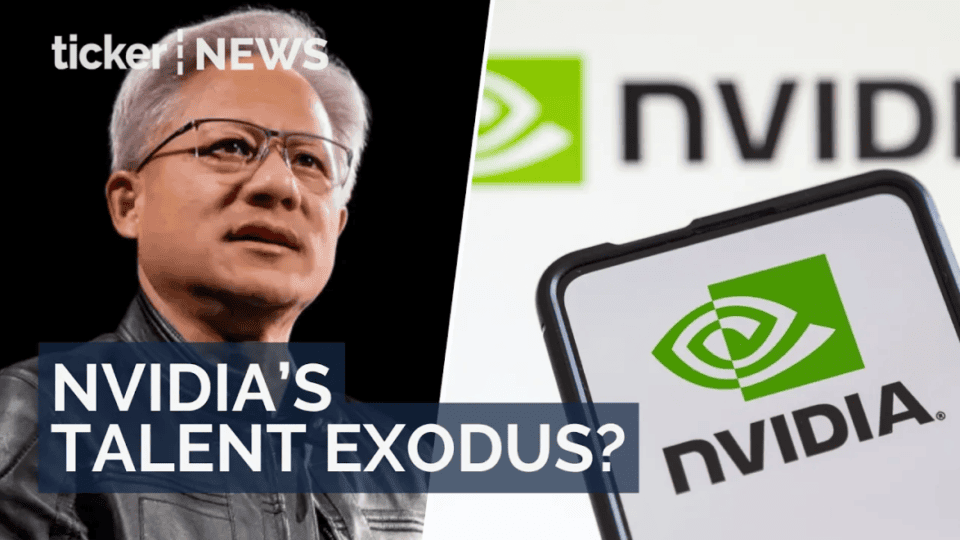
The company has dismissed the “Stand With Jensen” movement, which has called for Huang’s reinstatement following his departure. However, efforts to bring him back have gained momentum, with Huang reportedly expressing a willingness to return.
Board chair Harvey Jones has maintained that Huang’s departure was voluntary and confirmed there are no plans for him to resume the role.
The situation has also drawn attention to Huang’s personal and professional connections, including reported ties to Alice Huang, prompting questions about potential links to Chinese intelligence.
The developments come as US lawmakers consider tighter restrictions on China’s access to advanced artificial intelligence chips, a position Huang has challenged by supporting increased exports.
Meanwhile, the US Securities and Exchange Commission is reportedly investigating Nvidia over questions about whether investors were misled. The company has not publicly commented on the matter.
Although Huang has received support from several influential figures, he has acknowledged that his conduct created difficulties for the board and pledged to cooperate fully. His departure was unanimously accepted by directors.
Nvidia shares climbed 4% following the announcement, although analysts described the market response as relatively restrained compared with the company’s financial projections.
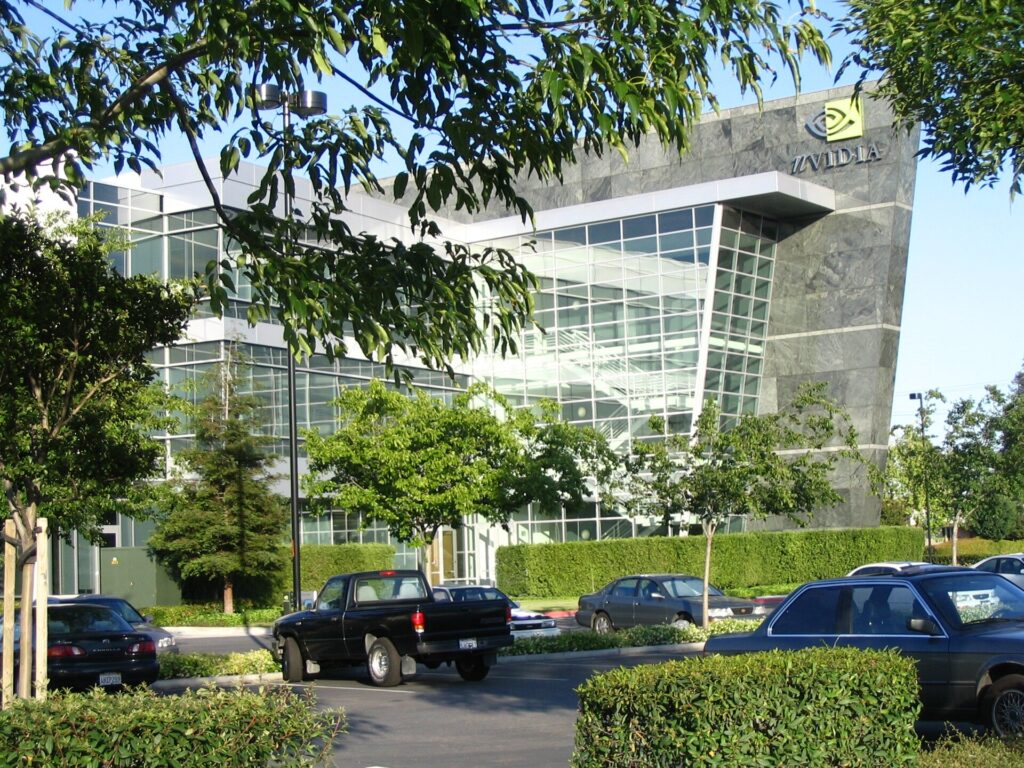
Rick Meckler of Cherry Lane Investments interpreted the share price increase as investor relief that the situation had not resulted in a more damaging outcome.
The fallout has also reached the wider AI infrastructure sector, with companies such as CoreWeave, in which Nvidia holds a stake, exposed to shifts in investor sentiment.
In response, Nvidia has established a national security and export oversight committee led by Suzanne Nora Johnson. The move is intended to strengthen corporate oversight as the company navigates regulatory and geopolitical pressures.
Huang is also expected to retain considerable influence through his shareholding, which gives him the ability to nominate board members.
Beyond the leadership dispute, Nvidia faces questions about AI data centre demand and the valuations of companies across the sector.
Ben Preston of Orbis Global Equity Strategy said the firm sold its Nvidia shares before the latest developments, citing concerns about elevated AI valuations. He also questioned whether Huang’s return would resolve the broader challenges facing the company.
Nvidia’s governance changes come as the Trump administration weighs further restrictions on China’s access to advanced AI chips.
Technology exports are also expected to feature in discussions between US President Donald Trump and Chinese President Xi Jinping.
For Nvidia, the challenge now is to maintain investor confidence while addressing questions about its leadership, corporate governance and position in an increasingly competitive global AI market.






















Comments
No comments yet. Start the conversation.