

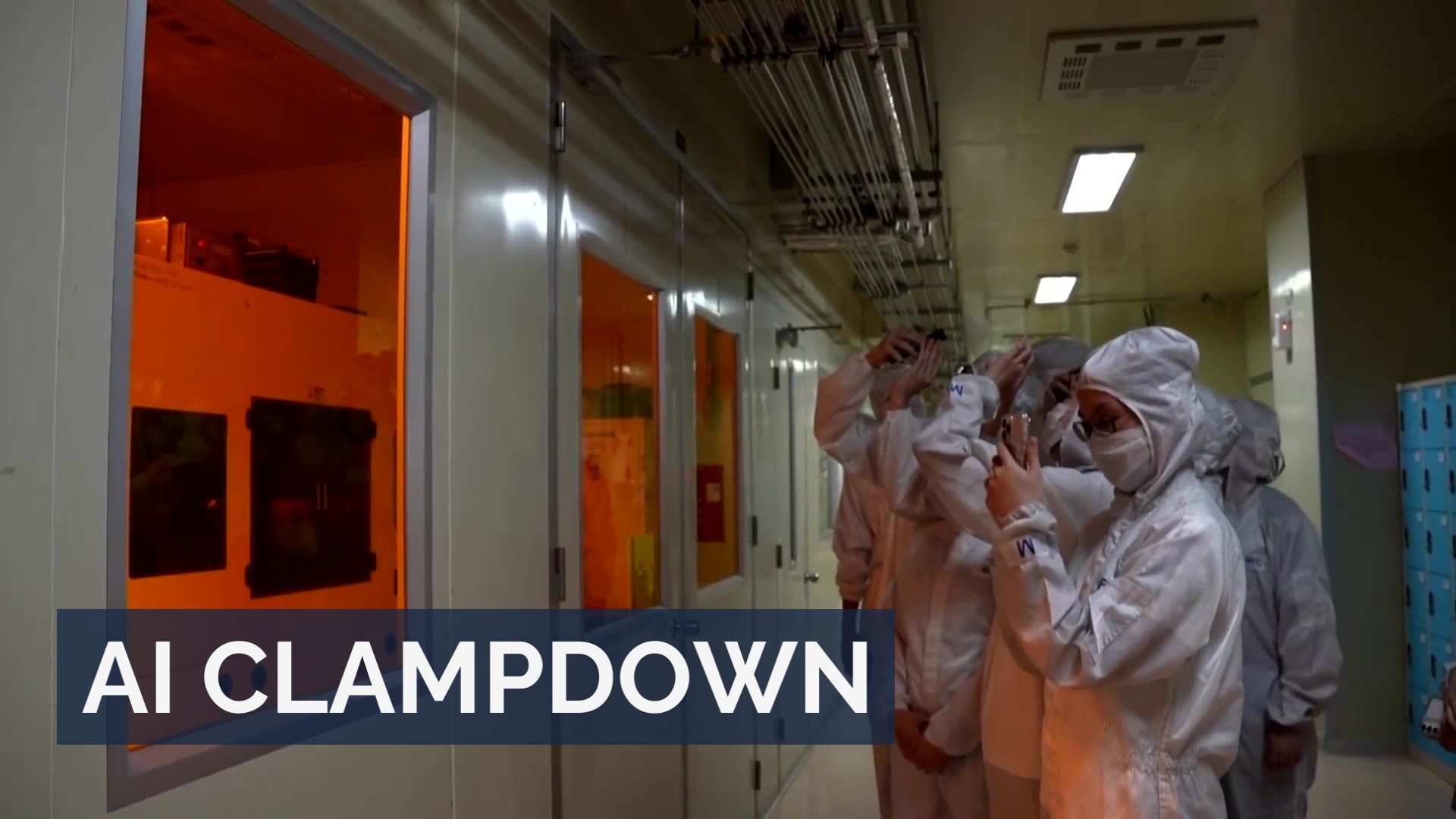
The United States has announced new restrictions tightening China’s access to advanced artificial intelligence chips, according to CNA. The latest rule, revealed on Monday, limits how Chinese companies can source U.S. chips by targeting overseas data centres in countries such as Thailand and Malaysia.
The restrictions were introduced as U.S. President Donald Trump began a trip to China, where he is due to meet Chinese President Xi Jinping during this week’s APEC summit in Shenzhen. The measures aim to prevent Chinese firms from bypassing existing export controls by renting computing power from providers in third countries, the Commerce Department said.
New controls target overseas data centres
Under the new regulations, data centres in Singapore, Thailand, Malaysia, Indonesia and Brazil will need to apply for U.S. export licences before providing advanced chips to companies headquartered in China. The Commerce Department has identified these nations as presenting a higher than normal risk of illegal diversion of chips to China. Data centres must obtain the licences within 90 days or risk future export restrictions. The licence requirement will not affect systems used by online retailers and social media operators, which the U.S. considers to be lower risk for national security.
The rule was written by the Department of the Treasury and the National Security Council, and formally rescinds a previous Biden-era measure that broadly required licences for global access to AI chips. Formal enforcement action was delayed until now, which allowed billions of dollars’ worth of restricted Nvidia chips to continue flowing to data centres that serve Chinese artificial intelligence companies. The move follows reporting that the Commerce Department had not acted against smuggling or circumvention amid rising criticism over its management of the export controls, CNA notes.
Political fallout linked to export controls
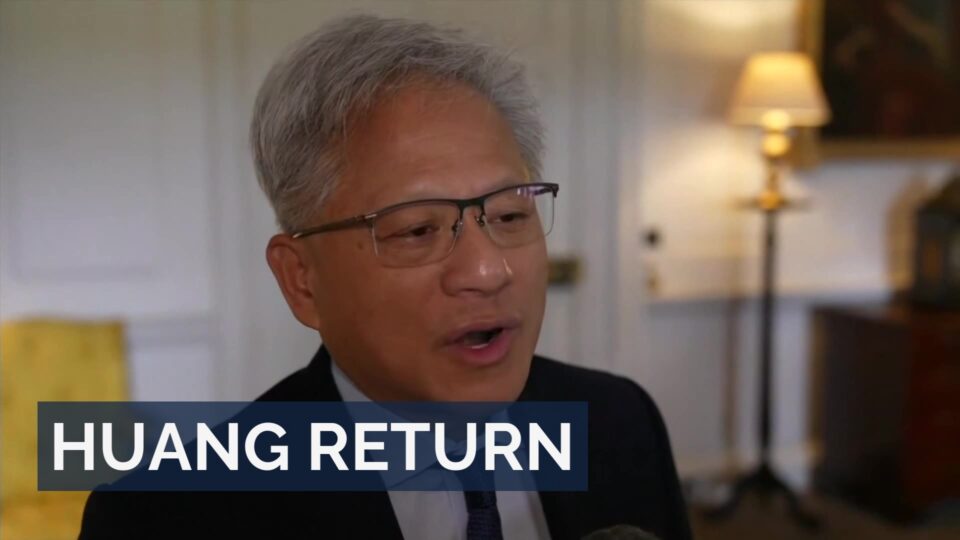
Nvidia CEO Jensen Huang resigned last week after disclosing an affair with an executive from Singapore-based Megaspeed, a cloud computing company under scrutiny for allegedly diverting chips to China. Commerce Secretary Howard Lutnick, who joins President Trump on his Asia trip, has faced strong criticism for his handling of chip export rules.
White House officials have reportedly debated Lutnick’s future, according to Reuters. However, President Trump told reporters before departing the U.S. that he does not intend to replace Lutnick, saying he retains confidence in him. CNN quotes Trump as saying divergent approaches exist within the administration, with some wanting a “blowup” with China and others preferring a more cooperative stance.
Megaspeed said in a statement on November 15 that it follows all applicable laws and U.S. export requirements. Treasury Secretary Scott Bessent has accused the Commerce Department of blocking efforts to put Megaspeed on a trade blacklist. Former Commerce official Kate Koren told CNA the new rule would have a broader impact than adding individual companies to the Entity List, and described the changes as a shift towards stricter controls on Chinese access to sensitive tech.
The Commerce Department said the new rule is designed to stop the use of “remote computing arrangements involving data centres in third countries” to evade existing restrictions. What impact this will have on Chinese tech firms or global chipmakers is not yet clear, CNA reports.






















Comments
No comments yet. Start the conversation.