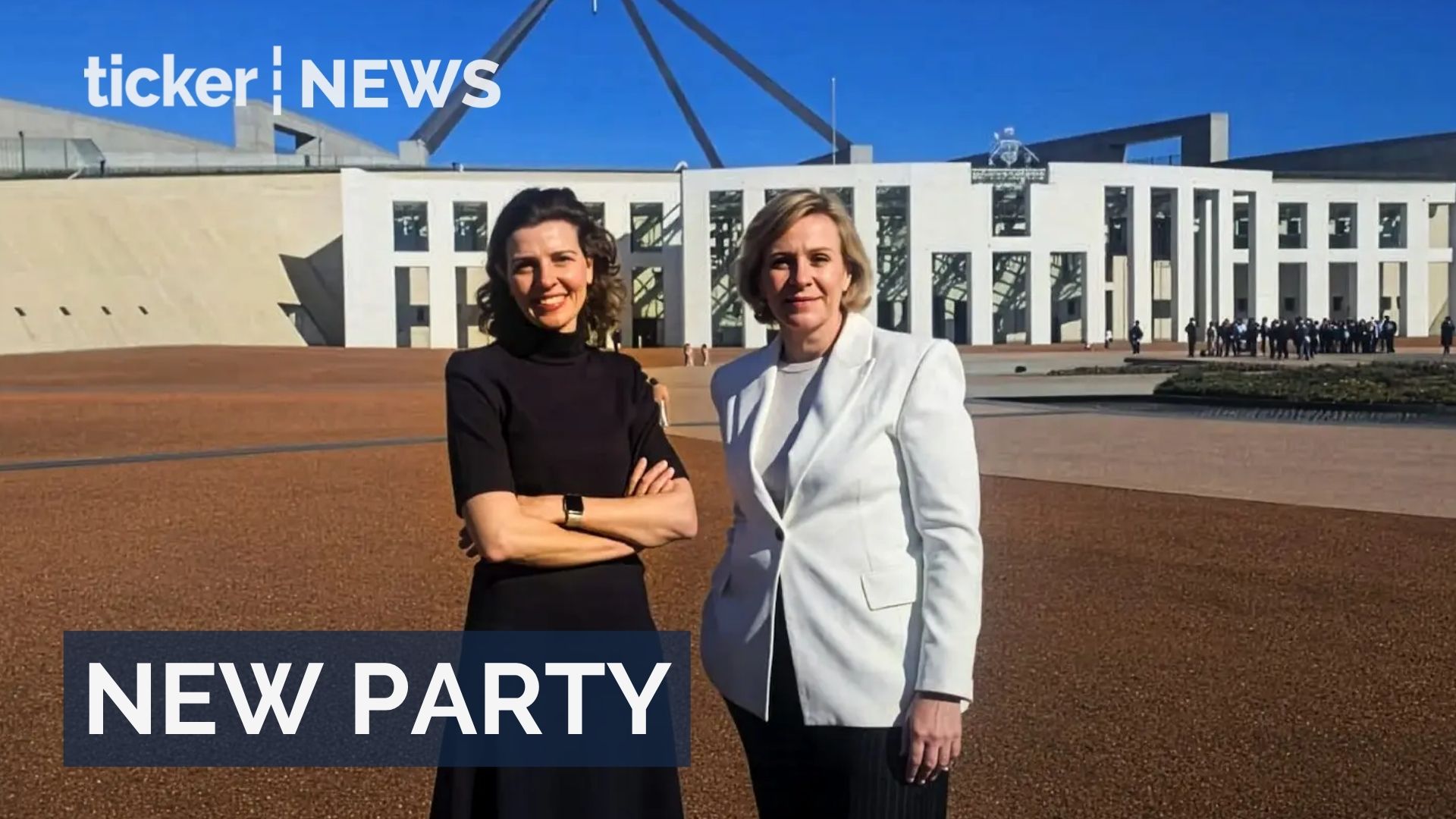

Victorian parties reveal key policies for 2026 election focusing on infrastructure, health, cost of living, and business reform
Victoria’s state election is set for November 28, 2026. Major parties—Labor, Liberal-National Coalition, Greens and One Nation—have detailed policies on infrastructure, health, cost of living, business and funding.
Infrastructure
Labor pledges $352 million for pothole repairs, roadside programs with prisoners, and billions for suburban road upgrades, along with $49 million for motorcycle safety.
The Coalition commits $5 billion for road repairs, one million pothole fixes, regional council funding and major road duplications.
The Greens aim to return VicRoads to public ownership and allocate 5% of the transport budget to cycling routes, while restricting trucks in certain areas.
Health focus
Labor plans $230 million for new dental clinics and $277 million for hospital expansions, while pledging $240.5 million for maternity services, as earlier reported by abc.net.au.
The Coalition will invest $1.27 billion in reducing elective surgery wait times and spend $99 million on transit lounges, with funds for new Parkville youth mental health facilities.
The Greens propose $3 billion for dental care, 5% of spending for health promotion, and advocate for free contraception and abortion.
Cost of Living
Labor’s cost-of-living measures include public transport and toll caps, and maintaining existing discounts.
The Coalition promises no new taxes, repealing existing levies, and aims for a budget surplus by 2032.
Greens focus on energy-efficient upgrades and electric vehicle discounts, while One Nation offers child sports vouchers and plans for tax cuts.
Business and Funding
Labor is targeting $2 billion in savings from transport projects, merging agencies and diversion of royalties to regional areas.
The Coalition expects $22 billion savings with a hiring freeze and through privatisation and reduced executive salaries.
The Greens seek additional revenue from wealth and gambling taxes, and One Nation plans to scrap certain projects to redirect funds.
Parties present contrasting priorities: Labor on infrastructure and affordability, Coalition on repairs and tax cuts, Greens on services and sustainability, and One Nation on regional infrastructure and bureaucracy reduction.