
The Taliban has taken over Afghanistan’s capital city, Kabul. What does this mean for the country’s women and girls?
Afghanistan’s former president Ashraf Ghani fled the country only hours ago. He left officials with the duty of ‘handing over’ the palace to Taliban militants.
A Taliban security member told media that “no blood was shed in the handover”. He alson said there is a “peaceful handover of government facilities ongoing across the country.”
This comes as de facto leader Mullah Baradar has issued this message in congratulations to the Taliban on the group’s declaration of the ‘Islamic Emirate of Afghanistan’.
As the Taliban continues to move to take over the country, this leaves the future of Afghan girls and women in the lurch.
What will the Taliban’s takeover mean for women and girls?
As the Biden government withdraws troops from Afghanistan, women and girls are left behind. This month, the Biden government begun evacuating thousands of Afghans who are at risk of retribution for helping US forces. Meanwhile, these discussions have majorly left out the potential ramifications for women and girls across the country.
During its previous rule between 1996 and 2001, the Taliban banned women from working. Girls were also forbidden from attending school after the age of 8.
But the US occupation of Afghanistan has brought Western values to the country – and with it, more freedom for women. This freedom would be unlikely to survive a takeover by the fundamentalist Taliban.
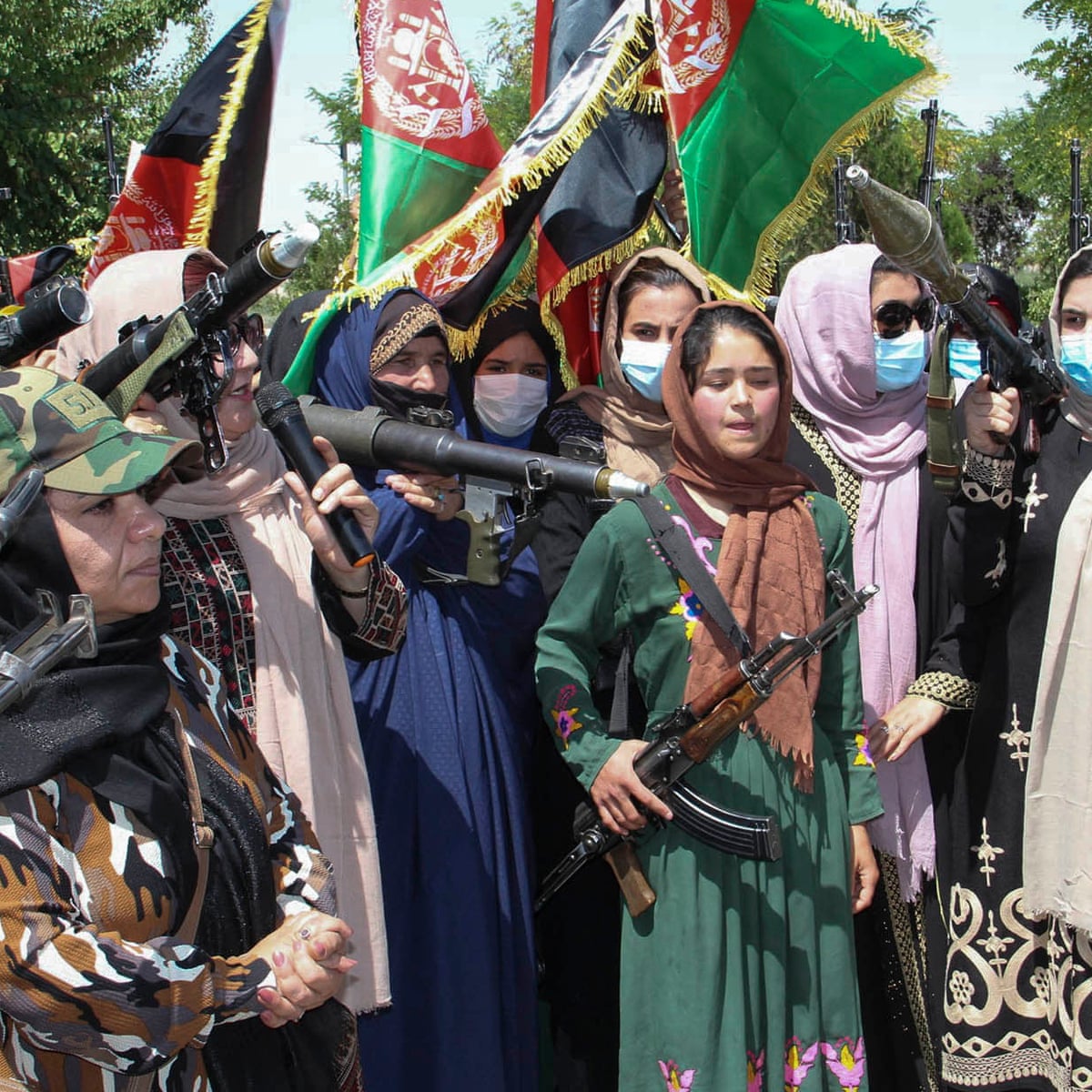
“They’ll sell women out just as quickly as anyone else will”
According to 2020 figures from the US Agency for International Development, almost 40% of the roughly 9 million children enrolled in school in Afghanistan are girls. About 100,000 girls are studying at public and private universities, the Afghan Ministry of Higher Education says.
“The second the government comes under a bit of pressure or looks for some negotiating bargaining chip, they’ll sell women out just as quickly as anyone else will,” said Fatima Ayub, a Washington-based Afghan researcher.
“I’m afraid Afghan women and girls are going to suffer unspeakable harm”
Former US president Bush
“They’re just going to be left behind to be slaughtered by these very brutal people,” said former US president Bush. “It just breaks my heart”. Meanwhile, US Republicans say the country must continue to push western values through soft power around the world.
However, the Taliban’s attitude towards women and girls isn’t consistent across the board. “There’s no clarity. The Taliban mention an ‘Islamic framework’. However, there are no details as to what that looks like,” said Hosna Jalil, former deputy minister of women’s affairs.
This is not to say that Afghan women weren’t fighting for their rights before US occupation. One academic and former minister says that Western powers creating an “enabling environment”. Muqadessa Yourish, a former deputy minister for commerce and industry and a lecturer at the American University of Kabul says, “it took the risking of Afghan lives to build on these opportunities”.
“Those women would have done their work and their struggle irrespective of whether there were Americans, British or other foreigners to help them,” she said.
Human rights abuses, horrific violence and corruption
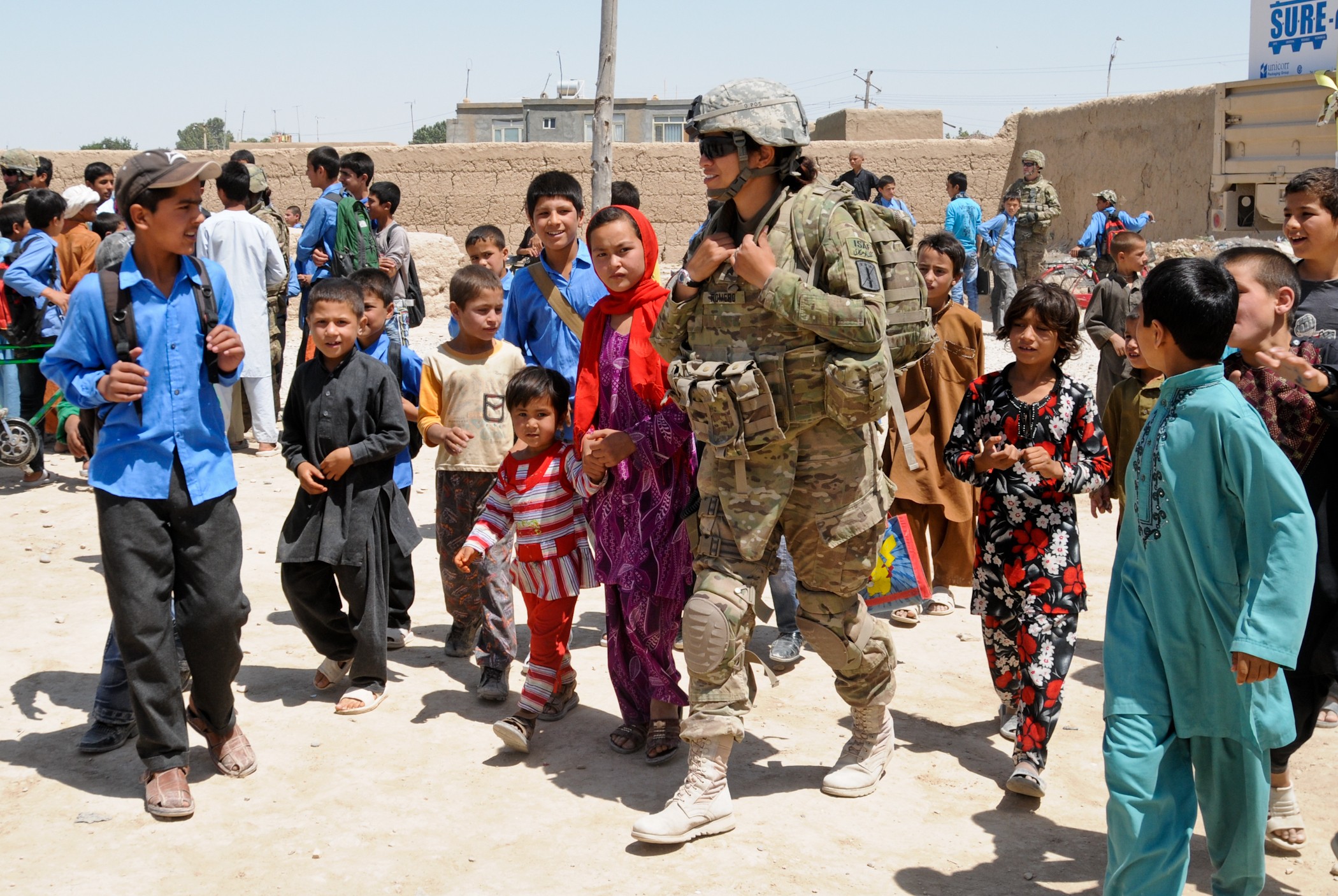
Of course, any gains made in Afghanistan for women came alongside with horrific abuses of power and human rights violations.
Asked if he had “any message” for Afghan women, Biden recounted an encounter years before with an Afghan schoolgirl. She had pleaded for US troops to stay so she could become a doctor.
Natasha is an Associate Producer at ticker NEWS with a Bachelor of arts from Monash University. She has previously worked at Sky News Australia and Monash University as an Online Content Producer.
Tensions rise in Minneapolis after fatal shooting by ICE agent, sparking protests and unrest as investigations unfold.
Tensions in Minneapolis have escalated following the fatal shooting of a mother by a U.S. Immigration agent. The incident has sparked outrage across the city, with residents taking to the streets to demand justice. Authorities are struggling to contain the unrest as public anger continues to mount.
State and federal officials are now at odds over the investigation. The Minnesota Bureau of Criminal Apprehension has stepped back after the FBI assumed control, while the state attorney general has warned that state-level charges could still be pursued independently. The political divide adds another layer of complexity to an already volatile situation.
In response to the protests, schools in Minneapolis have closed and the National Guard has been activated to maintain order. Citizens are being urged to stay safe as tensions remain high and the city braces for further demonstrations.
Subscribe to never miss an episode of Ticker – https://www.youtube.com/@weareticker
Iran faces widespread protests as currency collapse and soaring inflation strain household budgets, fueling public anger.
Protests are spreading across Iran after the country’s currency suffered a dramatic collapse, pushing inflation to more than 42 percent in December. Rising prices are squeezing household budgets, with basic goods becoming increasingly unaffordable for millions of Iranians.
What began as frustration over the cost of living has quickly grown into widespread public anger, as families struggle to keep up with soaring expenses amid a weakening rial and economic uncertainty.
These economic pressures have become the catalyst for demonstrations across major cities, marking one of the most serious waves of unrest linked directly to inflation in recent years.
Subscribe to never miss an episode of Ticker – https://www.youtube.com/@weareticker
PM announces royal commission to address anti-Semitism and social cohesion following pressure from various communities and leaders
In Short:
– Anthony Albanese has announced a royal commission into anti-Semitism and social cohesion, led by Virginia Bell.
– The inquiry aims to foster unity in Australia amid rising tensions and concerns from various community groups.
Anthony Albanese has initiated a commonwealth royal commission into anti-Semitism and social cohesion following mounting pressure.
The inquiry, announced in Canberra, will be led by former High Court justice Virginia Bell, despite opposition from some Jewish groups.The Prime Minister stated the need for a royal commission was essential for promoting unity within Australia, particularly after engaging with families of Bondi attack victims and the Jewish community.
He confirmed discussions with NSW Premier Chris Minns and expects the single commission to run over the next 12 months, with further comments from Mr Minns anticipated soon.
The prime minister has been asked if he’s still worried a royal commission would fuel antisemitism.Anthony Albanese insists he doesn’t want the inquiry to weaken social cohesion.
“The royal commissioner will bear in mind how hearings are conducted in the processes of their conduct,” Albanese says.
“We have been working on this for weeks. I have been engaged with the community.”
The prime minister was questioned about whether it was a mistake to reject calls for a royal commission into antisemitism.Following the Bondi terror attack, the federal government faced pressure to establish such a commission.
Anthony Albanese stated that the government has implemented various measures within the 25 days following the attack.
“We have increased funding for security agencies. We have had daily briefings of the National Security Committee,” Albanese says.
“The Commonwealth have particular resources and one of the groups and individuals I’ve spoken to as well have been people outside of New South Wales,” he says.
Highly-respected former High Court judge Justice Virginia Margaret Bell is the PM’s pick to lead the royal commission.
Sustained advocacy
This decision comes after sustained advocacy from various groups, including victims’ families, former leaders, and prominent figures across sectors.
Over recent weeks, Albanese and his team had put forth several arguments against a royal commission, such as concerns over divisiveness and potential exposure of sensitive information.
Gamel Kheir from the Lebanese Muslim Association has suggested that a broader inquiry into all forms of “minority religion” discrimination is needed, expressing wariness within the Muslim community regarding the federal inquiry’s focus.
Broad Support
A significant number of community and cultural organisations back a royal commission addressing social tensions and discrimination related to the Israel-Gaza conflict.
In support of this sentiment, nearly 50 diaspora and faith groups released an open letter urging a thorough examination of rising anti-Semitism and related issues following the Bondi Beach terror attack.