
Anthropic’s planned Nasdaq debut signals a new chapter for artificial intelligence, as OpenAI, Elon Musk’s SpaceX and Tesla compete for capital, computing power and dominance over the next generation of technology.
Anthropic’s move to list on the Nasdaq under the ticker ANT could mark the beginning of one of the most extraordinary periods of public market investment in modern history.
The artificial intelligence industry is entering a new phase, where the companies developing the world’s most powerful technology are preparing to ask ordinary investors to finance their ambitions.
And the amounts involved could dwarf previous technology booms.
For years, AI development has been funded largely by venture capital firms, sovereign wealth funds and technology giants willing to invest billions in the hope of securing a dominant position.
But right now, that financial model is changing. Anthropic’s planned listing represents more than an opportunity for investors to buy shares in the company behind Claude.
It signals the arrival of the mega AI IPO era, when artificial intelligence companies must demonstrate that extraordinary valuations can translate into sustainable businesses.
Why now?
The timing is no coincidence. Developing increasingly powerful AI models requires enormous computing infrastructure, vast electricity supplies, specialised chips and expensive data centres.
The financial demands are accelerating, even as the technology becomes more commercially useful.
Anthropic has built a strong position in enterprise AI, particularly through its Claude models and coding tools, which are increasingly integrated into business operations.
But commercial success does not eliminate the cost of competing. Every new generation of AI requires substantial investment, while competitors are racing to offer faster, cheaper and more capable alternatives.
Going public potentially provides Anthropic with access to a much larger pool of capital while allowing early investors and employees to realise some of their holdings.
It also introduces a new challenge: quarterly earnings expectations.
Private investors can tolerate years of losses while waiting for a breakthrough. Public shareholders are generally less patient.
The OpenAI question
Anthropic’s listing inevitably raises questions about its greatest rival, OpenAI.
The company behind ChatGPT helped ignite the generative AI revolution and remains one of the industry’s most recognisable names.
But recognition alone will not determine who wins.
OpenAI and Anthropic are competing for corporate customers, developers and long-term contracts that could make their technology indispensable to the global economy.
An eventual OpenAI listing would give public investors another opportunity to participate directly in the development of frontier AI.
It would also create an unprecedented comparison between two companies pursuing similar technological ambitions with potentially different commercial strategies.
Investors would finally be able to examine revenues, operating costs, cash consumption and profitability against the valuations attached to both businesses.
That transparency could fundamentally change how Wall Street values artificial intelligence.
Elon Musk’s trillion-dollar ambitions
Elon Musk offers another dimension to the emerging investment landscape.
SpaceX has demonstrated how a privately funded technology company can attract enormous investor demand through its combination of launch services, satellite communications and ambitious infrastructure projects.
Its reported record-breaking IPO highlights the appetite for businesses promising to reshape entire industries.
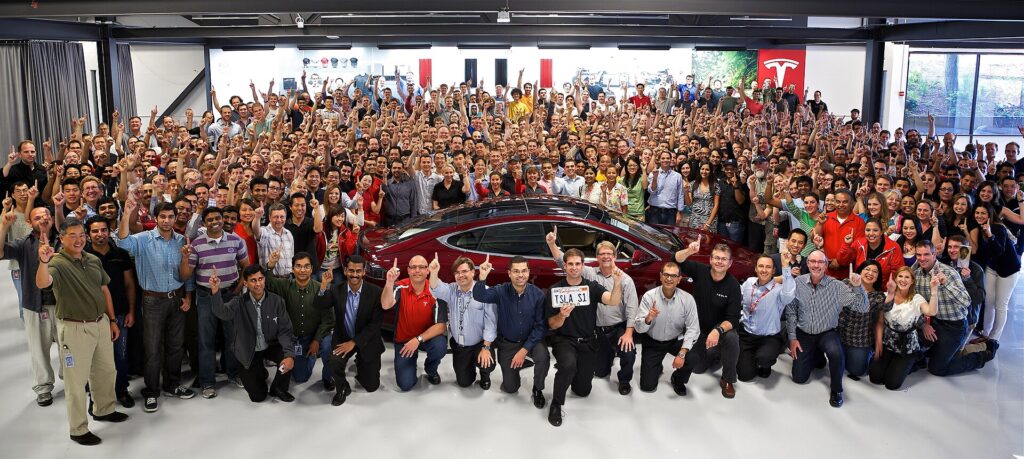
Tesla, meanwhile, represents a different proposition. Already publicly traded, the electric vehicle manufacturer is increasingly positioning its future around artificial intelligence, autonomous driving, robotics and its Optimus humanoid robot.
Musk’s wider AI ambitions also extend through xAI, creating an interconnected vision involving computing infrastructure, physical robots, vehicles and potentially space-based technology.
The distinction matters because Anthropic and OpenAI are primarily selling intelligence through software and services.
Tesla is attempting to commercialise intelligence in the physical world, while SpaceX provides infrastructure that could support increasingly ambitious technological development.
For investors, these represent different ways to bet on the same transformation.
The warning signs
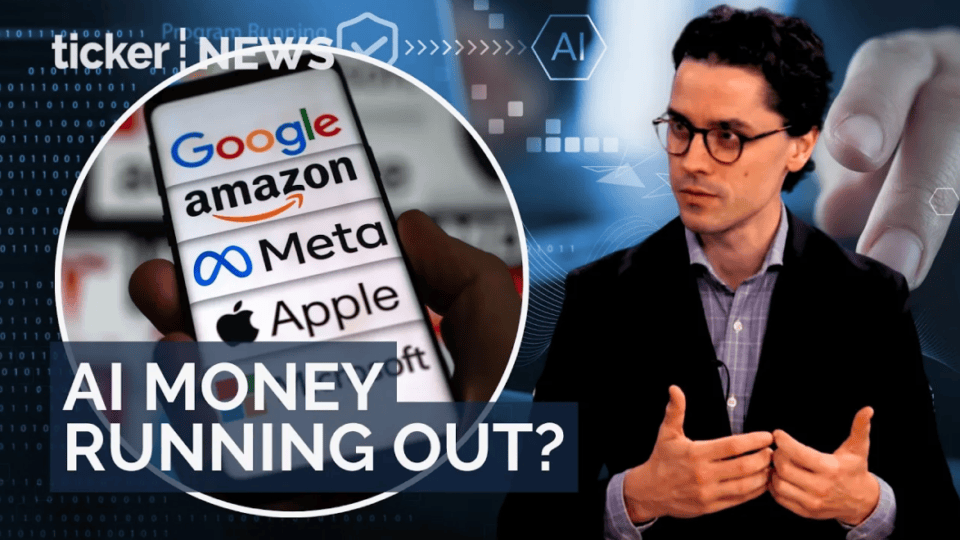
The biggest concern is whether AI companies can generate enough revenue to justify their extraordinary spending.
Wall Street is already showing signs of anxiety about AI spending and ROI. Sharp declines in data-centre infrastructure companies such as CoreWeave and Nebius demonstrate how quickly sentiment can shift when investors question debt levels, financing costs and future demand.
The risk is that the AI industry builds infrastructure faster than customers can generate economic value from it.
There is also a fundamental pricing problem.
As AI models improve, competition may push the cost of accessing intelligence lower, potentially benefiting customers more than the companies developing the technology.
That creates an uncomfortable possibility: artificial intelligence could transform the global economy without every leading AI company becoming a profitable investment.
History offers plenty of examples.
The internet revolution delivered extraordinary economic growth, but many companies celebrated during the dot-com boom never justified their valuations.
Should investors buy?
The opportunity is enormous, but so is the uncertainty.
Investors considering Anthropic or any future OpenAI offering should focus less on technological excitement and more on financial fundamentals.
Revenue growth, customer retention, operating margins, computing costs and cash flow will matter far more than impressive demonstrations of new AI capabilities.
Valuation will be equally important.
A brilliant company can still be a poor investment if its shares are purchased at an excessive price.
And unlike the early days of the internet, today’s AI leaders face powerful competitors with enormous financial resources, including Google, Microsoft and Amazon.
Anthropic’s Nasdaq debut could therefore become a defining moment for the technology industry.
The first phase of the AI revolution was about proving machines could perform increasingly sophisticated intellectual tasks.
The second is about proving those capabilities can generate sustainable profits.
The next great fortunes may be created through artificial intelligence. But the next great investment losses could be created there too.