News
Is it time to say “Goodnight Hong Kong”?

The message from US President Joe Biden sent shudders through Wall Street and then financial markets around the world – “Beware of Hong Kong.”
Thousands of American companies have looked to Hong Kong as a footstep into the Chinese market. Even CNN has its main Asia/Pacific operations there.
Over recent years, media companies, including Australia’s ABC and Nine newspapers have found their journalists in trouble for stepping foot in China.
THE FUTURE OF HONG KONG
Now, in executive offices across Manhattan, the reality is starting to bite. The question is – how much longer will Hong Kong be a safe place for western companies to do business?
And for the people of Hong Kong – what happens next?
As China tightens its grip on the territory’s legal and financial systems, what will that mean for their long-held ambitions for expanding in the world’s second-largest economy and its market of 1.4 billion people?
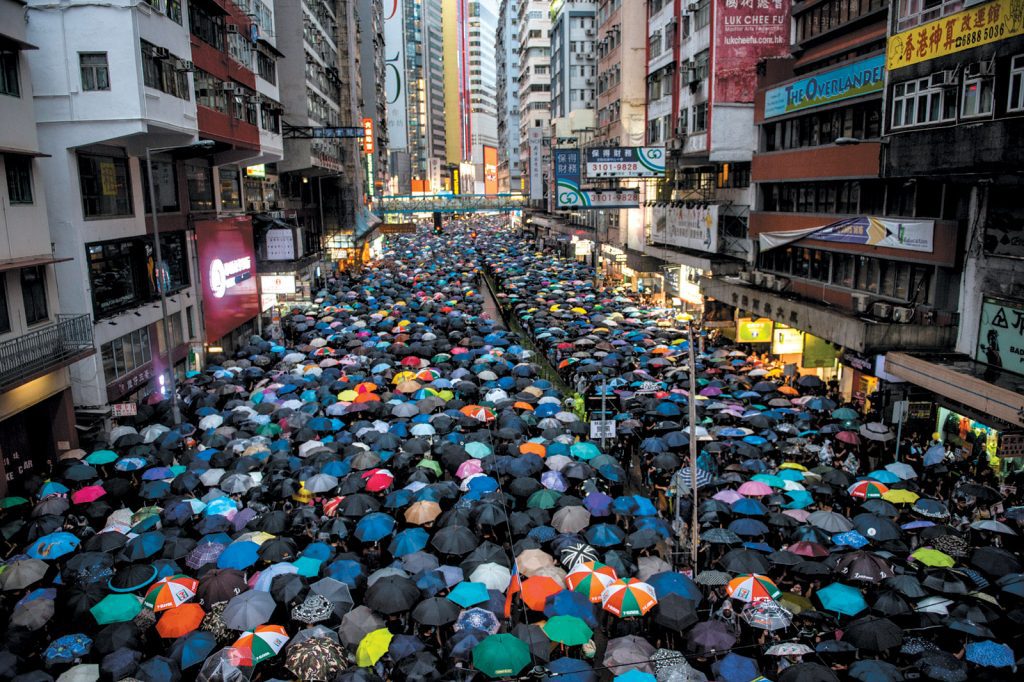
A NEW WAY OF LIFE
Banks are now used to the shifting landscape in Hong Kong. While Hong Kong has felt like an extension of London or New York, tensions have flared between Beijing as western countries. The 50 year deal signed between the UK and China during the landmark handover has almost been thrown out.
For banks, the city isn’t just a staging area to China, but also a valuable market in itself.
Joe Biden’s warning was less about the new reality for Hong Kong, but more about the ongoing battle between China and the US for global supremacy. In this race, it seems, there can only be one winner.
For many companies in western countries, the China conundrum focuses on theyr reliance on trade, tourism and local customs. But for others, their presence in Hong Kong is no longer a safe bet. Many companies are looking to Seoul or Singapore as a potential new Asian headquarters.
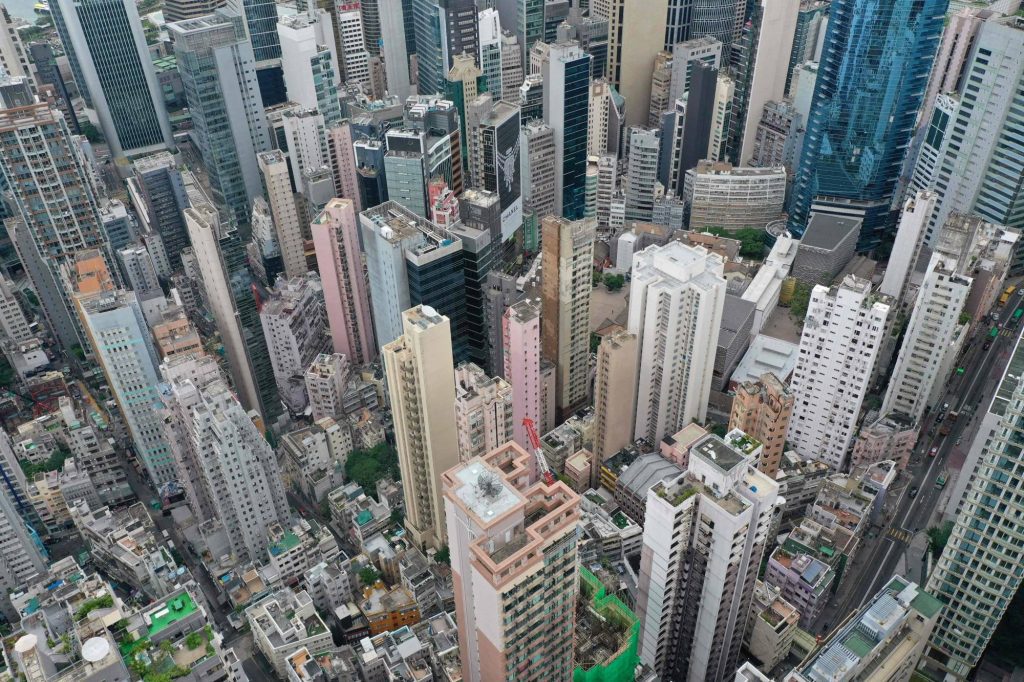
HING KONG RESPONDS
Hong Kong has hit out at the US President.
Biden’s advisory is “totally ridiculous and unfounded fear-mongering,” a spokesman for the territory said in a statement. “The main victims of this latest fallout will sadly be those U.S. businesses and U.S. citizens who have taken Hong Kong as their home.”
The United States imposed sanctions on seven Chinese officials over Beijing’s crackdown on democracy in Hong Kong, Washington’s latest effort to hold China accountable for what it calls an erosion of rule of law in the former British colony.
A spokesperson for the Commissioner of China’s Ministry of Foreign Affairs in Hong Kong in a statement late on Friday strongly condemned the U.S. actions, saying they were blatant interference in Hong Kong and China’s internal affairs.
“(U.S.) worries about Hong Kong’s business environment is fake; its attempt to destroy Hong Kong’s prosperity and stability, endanger China’s national security, and hamper China’s development is real,” he said in the statement.
A Hong Kong government spokesman says Washington has repeatedly attempted to slander the legislation over the last year.
-
 Tech5 days ago
Artemis II crew tests suits ahead of flyby
-
Tech5 days ago
Altman advises CEOs to secure AI capacity now
-
News4 days ago
Ben Roberts-Smith arrested for war crimes allegations
-
Tech4 days ago
Investors pressure tech firms on water usage
-
Shows4 days ago
Melbourne property market analysis: value, challenges, and growth
-
Tech3 days ago
Apple shares drop on foldable iPhone delays
-
News2 days ago
North Korea tests cluster warhead on missile
-
News5 days ago
WHO warns of nuclear accident risk amid conflict