News
How Australia can ban Australians from returning home

On the surface, it doesn’t make any sense. Australians are often surprised to hear we are one of the only countries banning people from leaving the country.
But now, given the situation unfolding in India, and what we know about the consequences, the Health minister Greg Hunt has taken the unusual step of blocking all travellers from India.
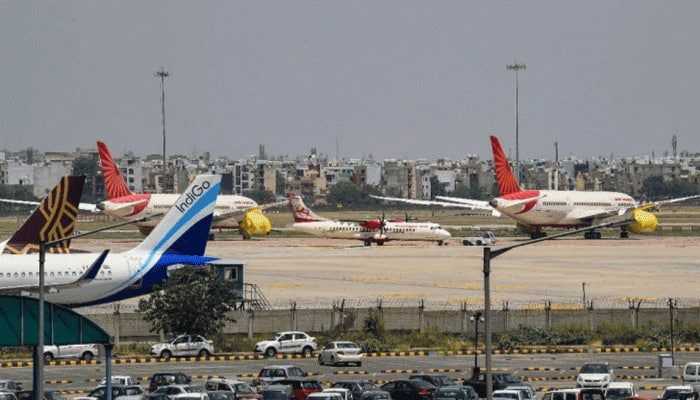
And it doesn’t matter if you’re an Australian citizen.
Emergency powers
The government will invoke emergency powers, amid concerns that transiting passengers may still enter Australia via other countries.
It’s also politically savvy. Look at the success local state governments have had at elections following draconian measures to ban other Australians enter their states. And now the Federal government, which had been critical of the states, in jumping on board, trading Australia as one giant WA.
Variants of the virus emerge typically in places where it’s spreading rapidly, and can prove more contagious, more harmful and more deadly as a result.
Mr Hunt made the determination under the Biosecurity Act to stop people who have been in India during the past fortnight from arriving in Australia,.
It follows advice from the Chief Medical Officer Paul Kelly.
“The risk assessment that informed the decision was based on the proportion of overseas travellers in quarantine in Australia who have acquired a COVID-19 infection in India.”
Greg Hunt, AUSTRALIAN HEALTH MINISTER
There are about 9000 stranded Australians in India wanting to come home, 650 of whom are considered vulnerable.
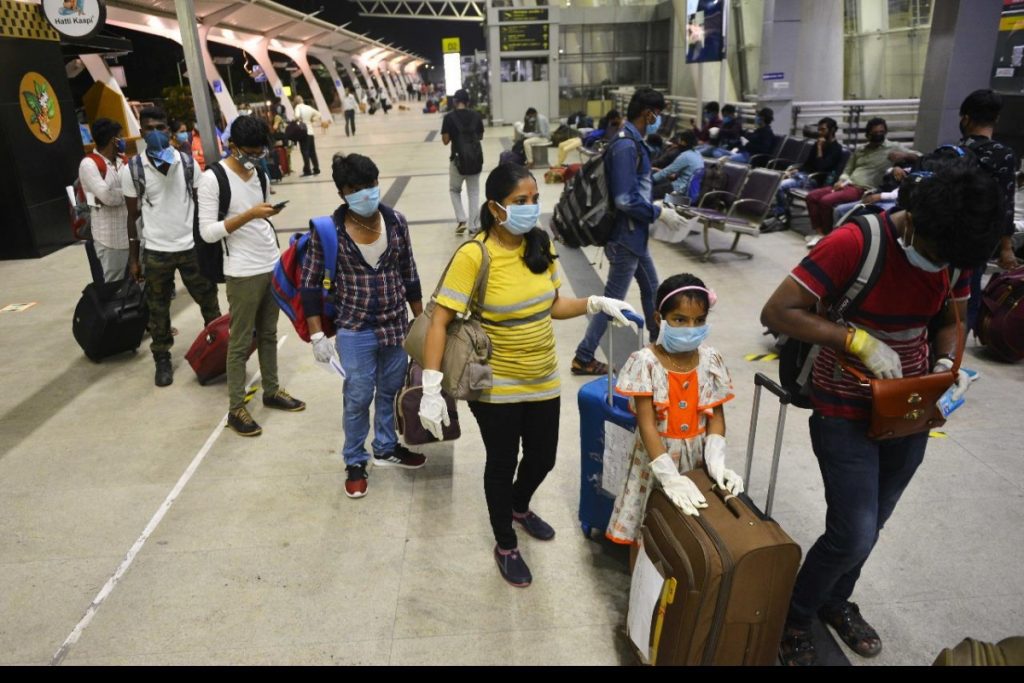
And despite the PM confirming on Wednesday that travellers returning from India via Doha had been closed off, the government discovered there was still another way.
Flights from India to Australia have been paused until May 15 but Mr Hunt said national cabinet wanted them restarted “as soon as possible”.
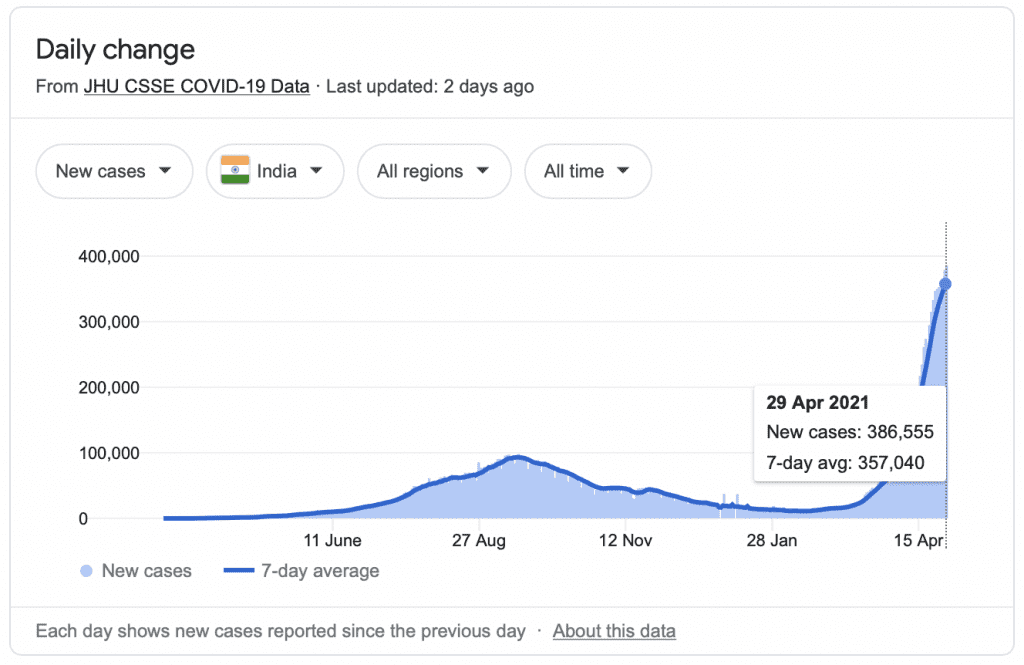
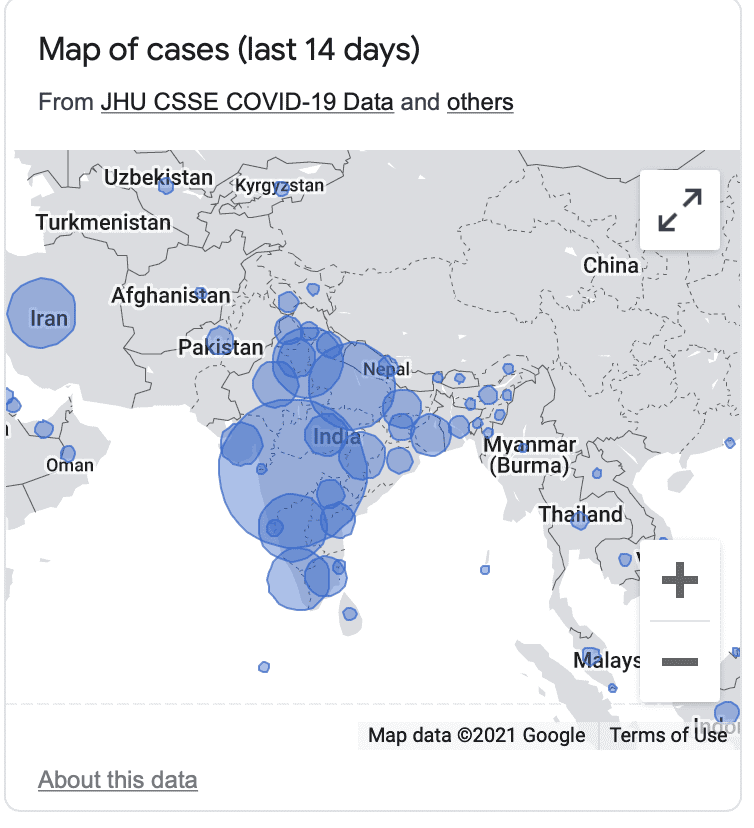
“India has been reporting more than 300,000 new cases of COVID-19 every day for the past week. The total number of cases in India is now close to 19 million and more than 200,000 people have died.”
GREG HUNT, AUSTRALIAN HEALTH MINISTER
“The government does not make these decisions lightly.”
India recorded 387,000 new infections on Thursday, a record high, and nearly 3,500 deaths, according to data compiled by Johns Hopkins University.
Gayle Smith, the State Department’s coordinator for global Covid response and health security, told reporters in a conference call Friday that the surge in India is “very, very serious.”
United Airlines Holdings Inc., the only U.S. carrier with nonstop service to India, said in a statement that it would “comply with all government regulations and travel orders.”
“United is proud of the essential air service we provide to connect our two countries and we’ll continue to support India during this time of need,” it said.
-
 Tech2 days ago
Nvidia to double chip sales next year
-
News2 days ago
Qantas fights against holiday ground crew strikes
-
Shows4 days ago
Australia’s childcare sector faces major change as reforms accelerate
-
News2 days ago
Canada’s potential EU membership sparks discussion
-
Shows3 days ago
Why traditional property investment strategies need updating
-
Ticker Views2 days ago
One Nation controversy puts political messaging under the spotlight
-
Ticker Views2 days ago
‘Pressure on Labor to deliver’: Immigration plan faces hurdles
-
Ticker Views4 days ago
‘Like the CIA on steroids’: Iran crowdsources dissident tracking