
News
Wuhan lab leak: “I’m not naive enough to absolutely write this off”
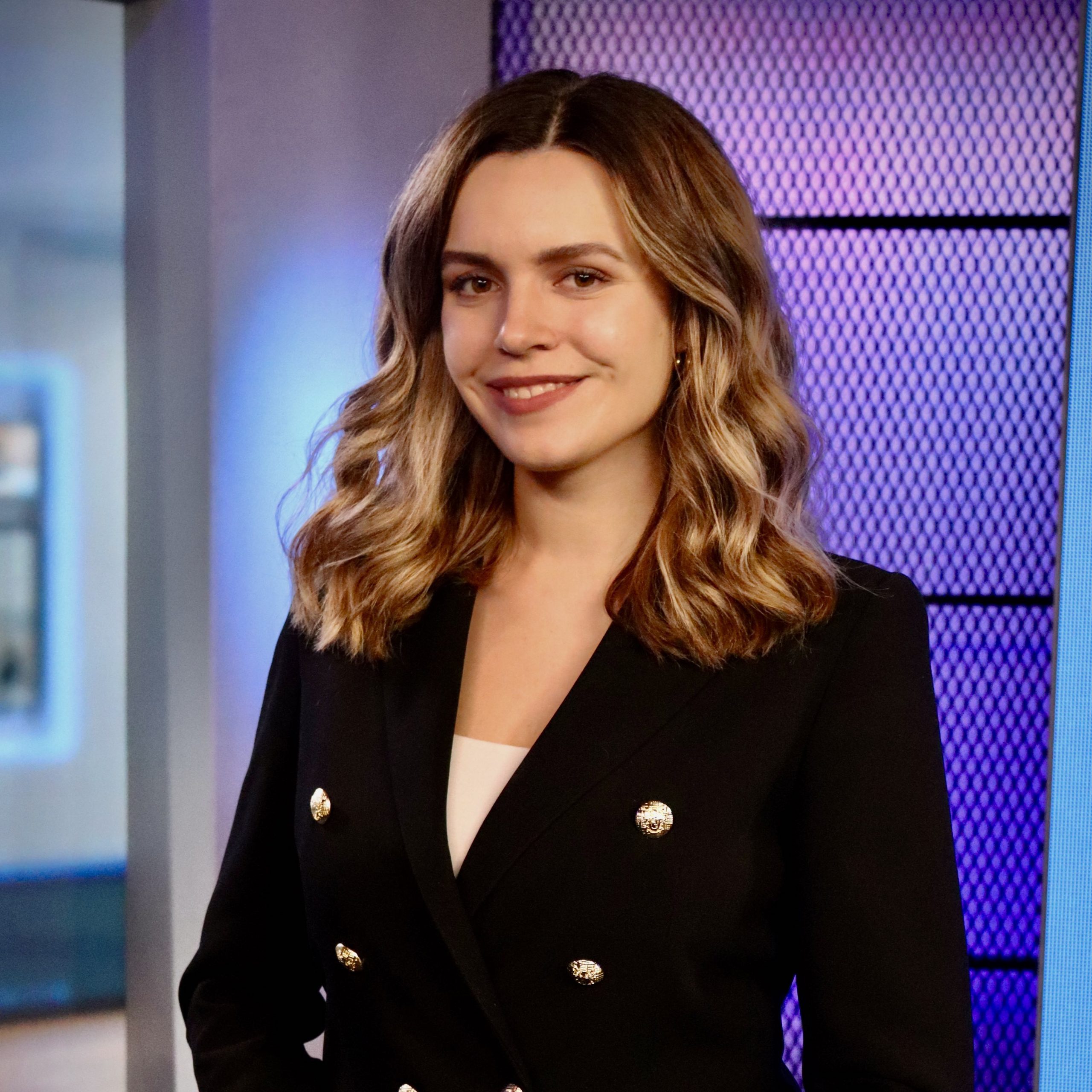
Australian scientist Danielle Anderson was the only foreign researcher at the Wuhan virology lab. Now, she’s speaking out for the first time.
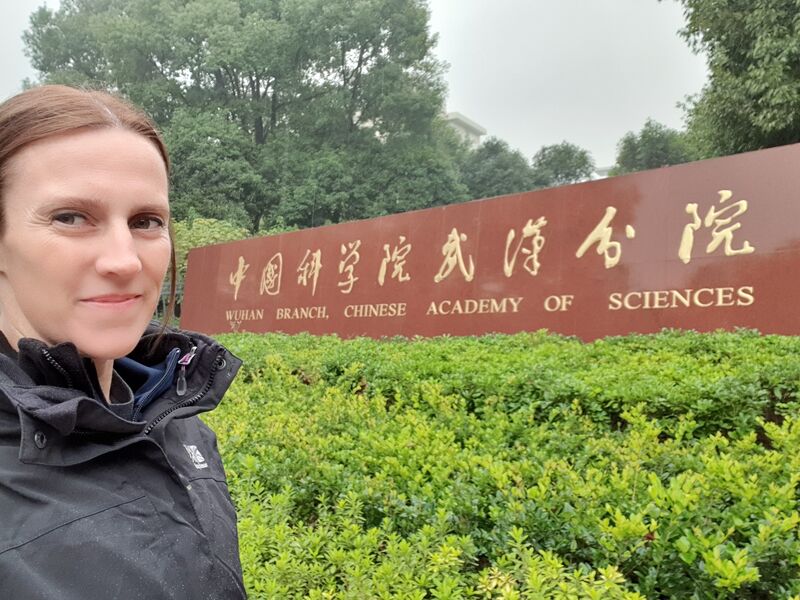
Australian scientist Danielle Anderson was the only foreigner to undertake research at the notorious Wuhan Institute of Virology’s BSL-4 lab. She worked at the lab until November 2019, just months before the initial outbreak of Covid.
The Covid pandemic has been rife with conspiracy theories since its emergence. The most popular of these theories is that Chinese scientists manufactured the virus in the lab.
Some theorise it either leaked out by accident, or as an act of biological warfare. China’s lack of transparency over Covid’s origins have only fuelled these rumours.
“It was just a regular lab”
Anderson says that inaccurate reporting has given the public and false perception of the Wuhan lab.
“It’s not that it was boring, but it was a regular lab that worked in the same way as any other high-containment lab,” Anderson says. “What people are saying is just not how it is.”
Anderson also says she was ‘impressed’ with the institute’s maximum biocontainment lab which has the highest biosafety rating.
There were strict protocols and requirements aimed at containing the pathogens being studied, Anderson says researchers needed to train for 45 hours before being certified to work independently in the lab.
“It’s very, very extensive,” she said.
“The pandemic is something no one could have imagined on this scale,” she said. “The virus was in the right place at the right time and everything lined up to cause this disaster.”
The US and Europe are among countries questioning the lab’s safety.
Anderson said no one she knew at the Wuhan institute was ill toward the end of 2019. Moreover, there is a procedure for reporting symptoms that correspond with the pathogens handled in high-risk containment labs.
“If people were sick, I assume that I would have been sick—and I wasn’t,” she said. “I was tested for coronavirus in Singapore before I was vaccinated, and had never had it.”
Last month, 18 scientists writing in the journal Science called for an investigation into Covid-19’s origin amid rumours of the virus leaking from the lab.
Anderson says that while unlikely, it’s not entirely impossible that the virus escaped the facility.
If presented with evidence that such an accident spawned Covid-19, Anderson “could foresee how things could maybe happen,” she said. “I’m not naive enough to say I absolutely write this off.”
Although she remains firm in her belief that the virus emerged from ‘natural sources’ Anderson does think China should assist with an investigation to nail down Covid’s origin.
She said she’s dumbfounded by the portrayal of the lab by some media outside China, including attacks on scientists who worked at the lab.
Anderson herself has also been the victim of violent threats and misinformation, which led her to filing a police report last year.
-
 Tech3 days ago
Meta to cut 20% workforce for AI focus
-
News2 days ago
Iran threatens infrastructure if U.S. attacks plants
-
Tech3 days ago
OpenAI to introduce ads for free ChatGPT users
-
News4 days ago
Oil prices surge on Middle East supply disruptions
-
Money3 days ago
Global stock markets fall amid oil price surge
-
Tech2 days ago
Spotify bets on AI to retain subscribers
-
News2 days ago
Iran threatens U.S. financial institutions
-
News1 day ago
Meta launches four custom AI chips