
News
What now? G20 leaders react to Taliban takeover

So how are world leaders and other nations responding to this ongoing crisis in Afghanistan?
Let’s break it down…
US
The United States is leading the charge when it comes to communication and negotiation with the Taliban, but it’s believed that government will not recognise the Taliban as the official head of state.
Biden has made it clear he is firm on his decision to remove troops from Afghanistan.
We have also learned that the US is urgently pushing to ramp up its evacuation efforts, with the nation’s Commander General ensuring the safe passage of troops, civilians and diplomats.
In a statement, the General says the airfield remains secure and open to air traffic, and the General has made it clear to the Taliban that “any attack would be met with overwhelming force in the defence of American forces”.
US National Security Adviser Jake Sullivan said the US will help Australia evacuate its citizens from Afghanistan
The statement continues, saying “the protection of US civilians and our partners is the highest priority and we will take all necessary action to ensure a safe and efficient withdrawal.”
“We do take some responsibility for our allies and partners in Afghanistan,” Mr Sullivan said.”We will be eager to work with Australia to help get out Australian citizens and other individuals who the Australians would like to see get out.”
AUS
Australia has commenced its rescue mission from Afghanistan’s capital
“I want you to know that we will continue to do everything we can for those who have stood with us, as we have to this day,” Australia’s Prime Minister Scott Morrison said on Tuesday.
“But … despite our best efforts, I know that support won’t reach all that it should. On-the-ground events have overtaken many efforts. We wish it were different.”
EU
The European Union has neither confirmed whether or not it will support a Taliban regime… but member nations will work with the militants and provide necessary support to Afghan citizens.
Meanwhile, Britain’s Foreign Secretary says aid to Afghanistan will increase but there is still no word from the UK as to whether they will support a Taliban-led government.
However, Canada’s President Justin Trudeau is standing firm, calling the Taliban a terrorist organisation and his country will not recognise their rule.
NATO has temporarily suspended all support for Afghanistan, but this will resume if NATO leaders are convinced that the Taliban has established an inclusive government.
Biden and Boris agree to hold G7 summit in response to Taliban takeover
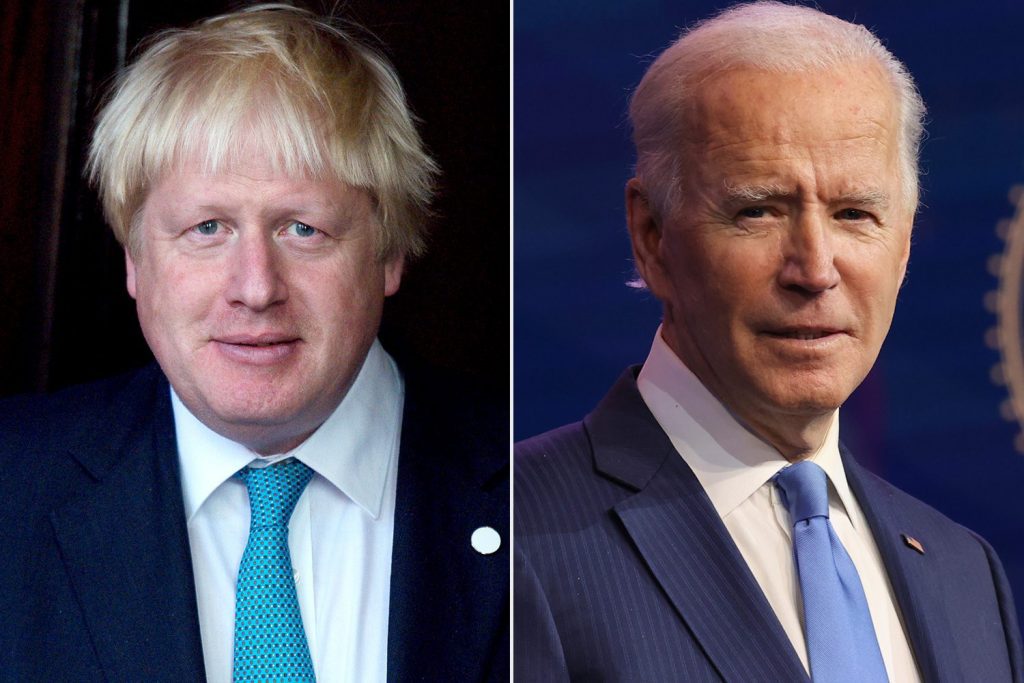
US President Joe Biden and UK Prime Minister Boris Johnson have agreed to hold a virtual G7 summit on the unfolding situation in Afghanistan
According to read outs from the White House and Downing Street, the leaders “discussed the need for continued close coordination among allies and democratic partners on Afghanistan policy going forward.”
-
 News5 days ago
Qantas launches biggest domestic sale starting $99
-
News5 days ago
Airlines face high costs despite improving jet availability
-
Tech2 days ago
Nvidia denies plans for China-specific AI chip
-
Money5 days ago
Disney stock down 20% despite earnings beats
-
News4 days ago
Tensions rise as Trump denies talks with Iran
-
News4 days ago
Meta faces trial over claims of child addiction
-
Shows4 days ago
E-commerce strategies for a successful Black Friday 2026
-
Tech5 days ago
Goldman’s reveals the AI stocks having the biggest impact