United Airlines bans AI assistants from booking tickets over privacy and regulatory concerns while exploring their role in travel planning
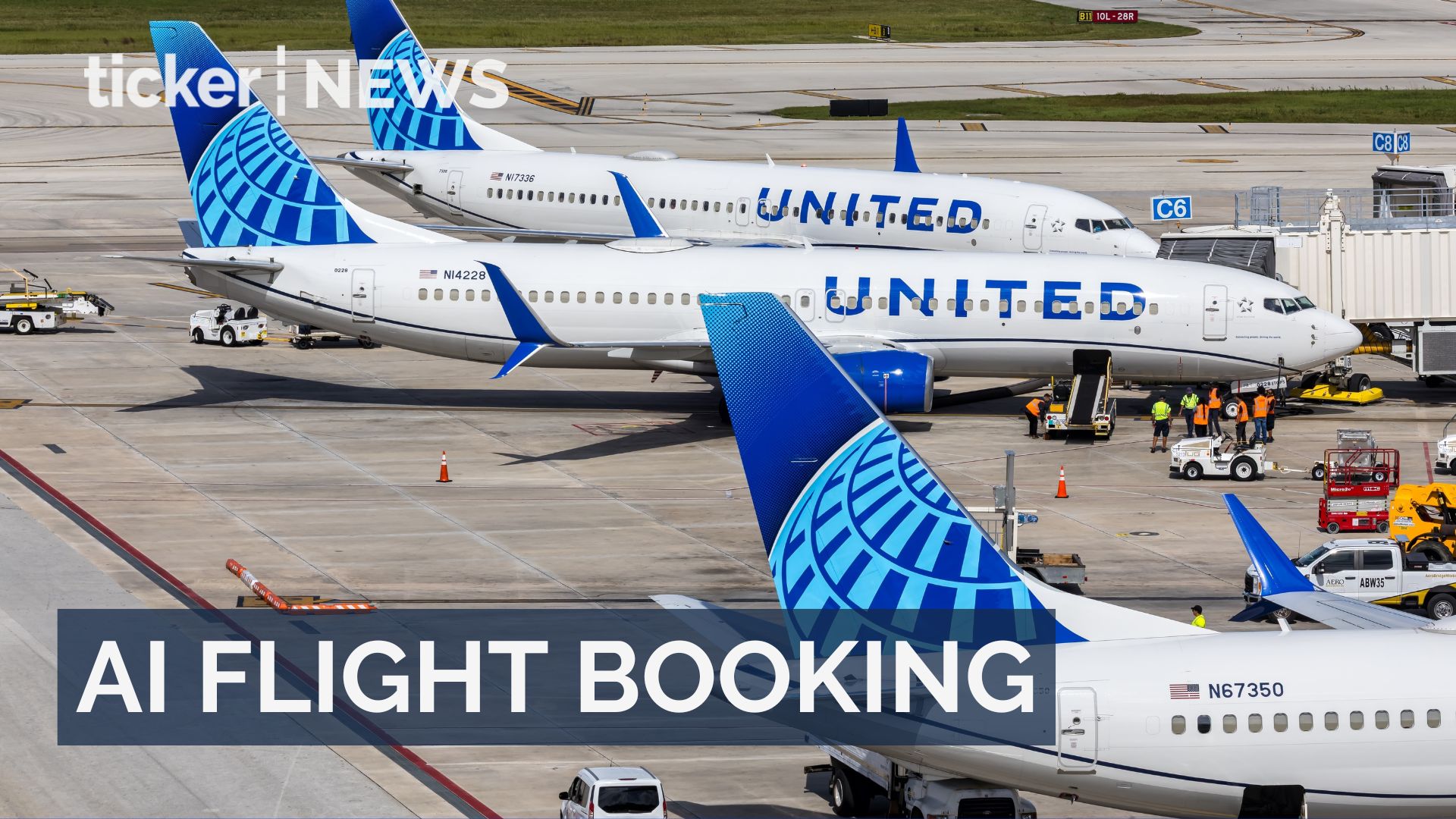
United announced it will block personal AI assistants from accessing its systems for ticket bookings.
The airline cited risks such as exposure of sensitive data and unintentional bookings.
Automated AI actions might violate regulations from the Federal Aviation Administration and Transportation Department.
AI restrictions
Banks, retailers, and other companies are evaluating how to manage agents like Meta’s Muse and OpenAI’s Dots, as earlier reported by the Wall Street Journal.
The technologies are used for tasks such as comparison shopping.
Agents will still display United’s flight options and prices but won’t transact on its site.
Some companies support agents as a new sales channel, while others reject them as potential middlemen.
Airlines previously dealt with issues involving intermediaries like online travel agencies.
Other U.S. airlines have not publicly opposed AI agents, contrasting with United.

United reports minimal bookings from AI agents and monitors booking sources.
CEO Scott Kirby believes AI is transformative and took a cautious stance on agentic commerce.
United may use AI for operational challenges but is wary of additional middlemen.
Unlike chatbots, AI agents can handle a variety of tasks, including trip planning.
OpenAI acquired Odessia, a startup working on AI travel booking, and Meta highlighted travel as a key use for its Muse agent.
Currently, AI agents are not heavily impacting booking volumes.
Southwest Airlines launched a ChatGPT plugin for flight searches as a customer test.
Delta allows authenticated AI assistants to book flights, with safeguards for specific transactions.
United will keep assessing AI tools and urges companies to focus on data security and customer safety.