

News
The polls are open in America | TICKER VIEWS

The polls are open in America and in six Tuesdays from today, America will vote. In several states across the country, early voting has begun in the most consequential midterm elections for Congress in 12 years.
Midterm elections are a referendum on the president, and this year is no different. Biden’s future is on the line no less than the control of Congress.
However, the current President is painting an optimistic future.
In 2010, President Barack Obama lost 63 Democrats in the House, giving Republicans control in that chamber, and six Senate seats but keeping Democratic control over the Senate.
It was a big setback. That result meant that Obama’s ability to pass his legislative agenda came to a halt for the balance of his presidency.
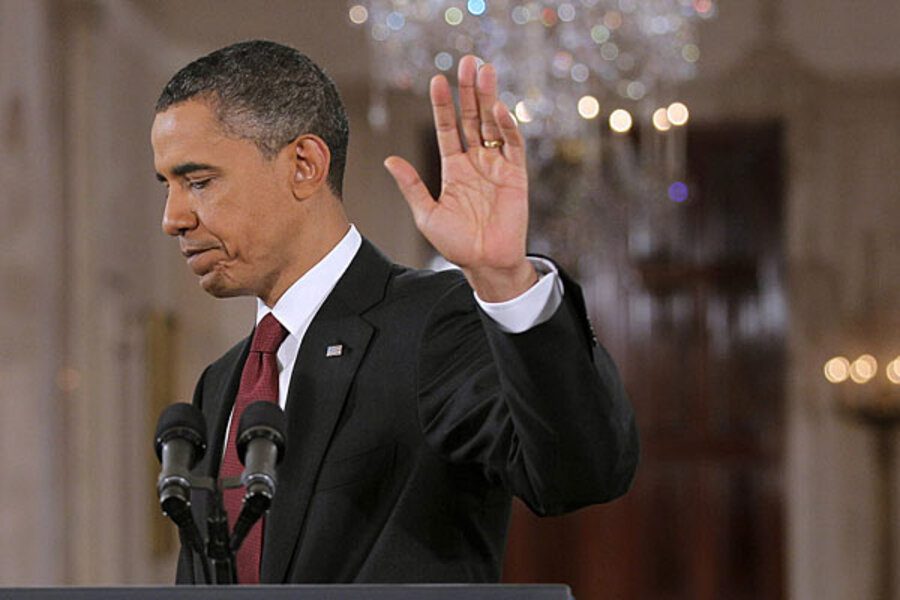
For the next six years, there were no significant new legislative initiatives in health care and the environment or any other major domestic policy issues.
As of today, the outlook for the November 8 midterm elections for Congress looks like a replay for President Joe Biden.
Republican gains that will give them control of the House, and continued, but very narrow, Democratic control over the Senate.
This would be a better-than-expected outcome for Biden and the Democrats than many thought just three months ago.
At the end of June, Biden’s popularity was plummeting.
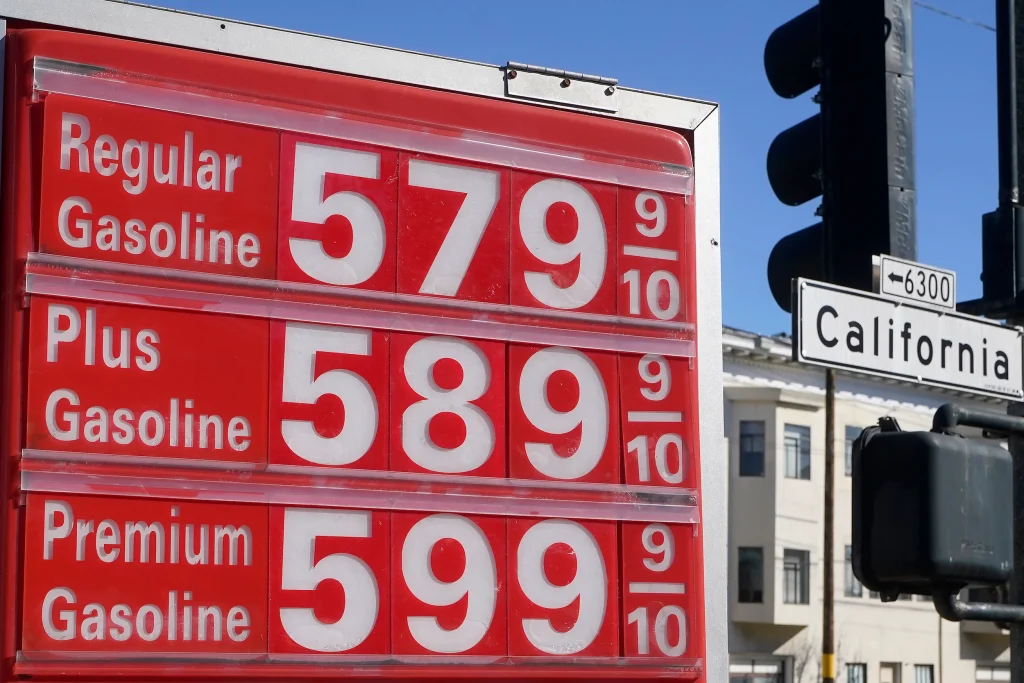
Petrol prices reached record highs; inflation had erupted and there was sticker shock on groceries; supply chains were a mess; there were no legislative victories.
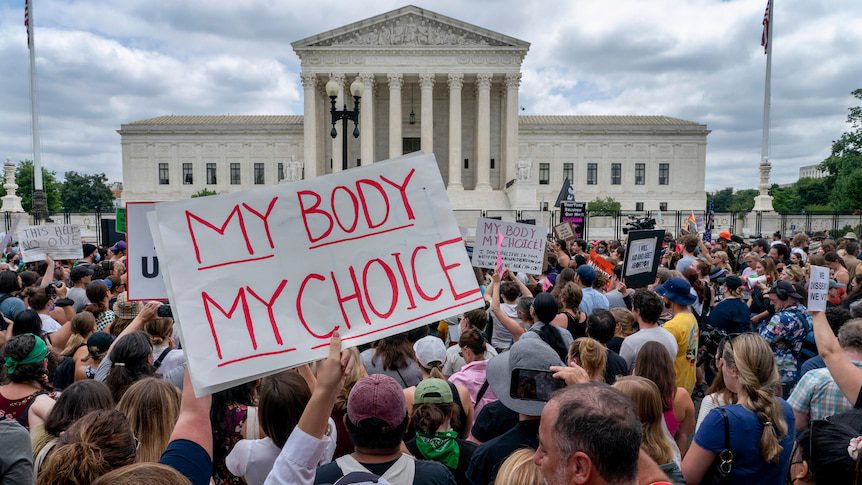
Now to mention the nightmare of women losing their constitutional rights becoming all too real with the decision by the Trump Supreme Court to repeal the landmark Roe decision.
Biden had slumped to the mid-30s in approval. Republicans seemed in easy reach of matching the average historical benchmark of gaining 26 seats from the president’s party in these midterms – and taking the Senate too.
But momentum shifted in August to the Democrats. Women across the country are furious about what the Supreme Court did to their reproductive health rights – with the Republican Party all-in with the Court.
Biden started getting big legislation through Congress, especially on health care costs, clean energy and climate change, and high-tech manufacturing for the future.
Donald Trump’s legal challenges mounted, from FBI raids to get back the classified documents he took from the White House to state officials in Georgia and New York moving against him.

Biden regained some popular approval, and the Republicans were on the defensive – especially on abortion with their candidates for the Senate on the wrong side of the anger from women voters.
In the 1992 presidential campaign, Bill Clinton’s team kept reminding him, and the county, that “it’s the economy stupid.” Clinton won the White House in the wake of a painful recession on President George H.W. Bush’s watch.
This economy is hurting Biden and the Democrats. The gut punch last Friday of the Fed’s raising interest rates by 75 basis points – with mortgages now the highest in over a decade and no end in sight to further sharp interest rate rises – and the markets tanking as a result, has left the mood of many deeply anxious and uncertain about the future.
Inflation is still too high and most Americans believe the country is already in a recession.
“People are seeing their wage increases eaten up by inflation.”
federal reserve chair jerome powell
This plays to the Republicans, who are already pounding the culture war buttons on high crime in the cities, “out-of-control” immigration on the southern border and putting more control from parents back into the classroom particularly on gender and racial issues.
The essence of Donald Trump as a major factor in American politics and what America’s experience with him means about the future of America’s democracy is crystallizing.
As many as two thirds of American believe that their democracy is on the brink, and they are worried about it. Together with an extremist Supreme Court that has repealed fundamental rights for women, this makes Trump-supported Republican candidates – especially in the Senate – vulnerable.
If the Republicans take the Senate thanks to the Trump-endorsed candidates winning in key states like Pennsylvania, Georgia, Arizona, Nevada, and New Hampshire, that will be a big win for Trump as he moves to declare for the 2024 presidential campaign.
The converse is also true: If Democrats beat Trump candidates this year, then they are more likely to beat Trump and the Republicans again in 2024.
There are two possible shock outcomes: a sweep of both chambers by either party. A Republican Congress will move aggressively against Biden, his policies and his government. Expect big investigations.
Expect Biden to be impeached by the House Republicans. A Democratic Congress, especially if they gain one or two more Senators, would present a complete reversal of fortune, making it possible to enact crucial legislation on abortion rights and voting rights and cement a historical place for Joe Biden as a truly great president.
The stakes are huge. We’ll know the final verdict in 8 weeks.
-
 News5 days ago
Ben Roberts-Smith arrested for war crimes allegations
-
Tech5 days ago
Investors pressure tech firms on water usage
-
Ticker Views1 day ago
Artemis II crew will endure 3,000°C on re‑entry
-
Shows5 days ago
Melbourne property market analysis: value, challenges, and growth
-
News3 days ago
North Korea tests cluster warhead on missile
-
Tech4 days ago
Apple shares drop on foldable iPhone delays
-
News2 days ago
OpenAI introduces $100 monthly ChatGPT Pro subscription
-
Leaders3 days ago
Australia raises over $3 million for Middle East crisis